

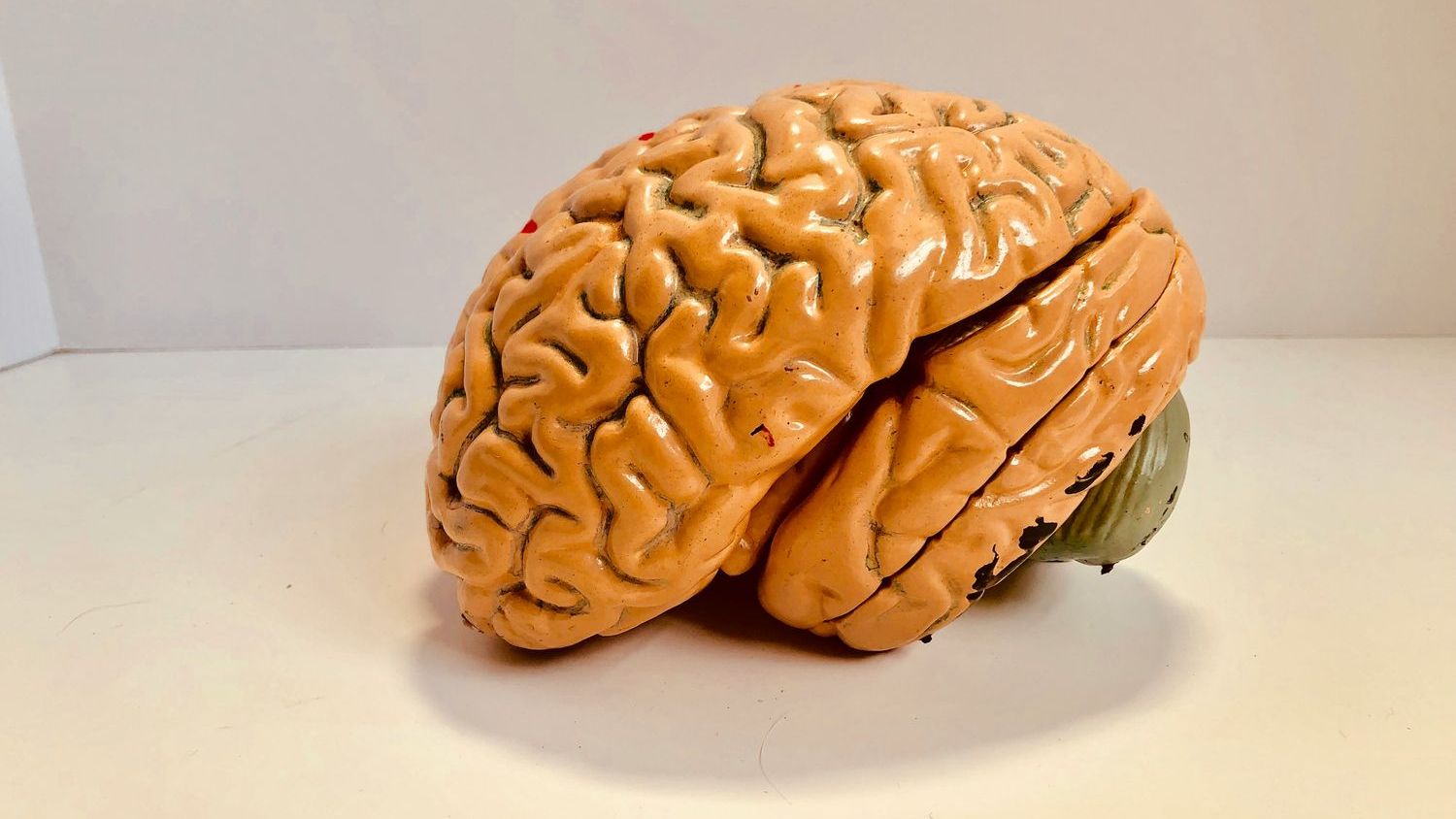
If humans are getting smarter, why are our brains shrinking? – Image for illustrative purposes only (Image credits: Unsplash)
Human intelligence has advanced across generations in measurable ways, from problem-solving capacity to cultural and technological achievements. At the same time, some studies indicate that average brain size has declined since prehistoric periods. This combination of trends raises questions about how physical brain volume relates to cognitive performance over long stretches of time.
Tracing the Timeline of Change
Records from fossil evidence show that brain volume reached larger averages during earlier stages of human development. The reduction appears to have begun thousands of years ago and continued gradually. Researchers place the start of this pattern well before recorded history, during eras when early societies formed.
The shift coincides with broader evolutionary adjustments in body structure and lifestyle. Smaller brains emerged alongside changes in diet, social organization, and tool use. These developments unfolded over millennia rather than in sudden leaps.
Connecting Size to Cognitive Gains
Intelligence metrics, such as those reflected in educational attainment and innovation rates, have risen in recent centuries. Yet the physical reduction in brain tissue does not appear to have reversed those gains. This separation suggests that efficiency or organization within the brain may matter more than raw volume alone.
Modern populations demonstrate higher performance on standardized cognitive tests compared with earlier groups. The pattern holds even as average cranial capacity has decreased. Such outcomes point to adaptations that allow sustained or improved function despite less overall mass.
Examining the Ongoing Debate
Scientists differ on whether the size reduction represents a true evolutionary direction or a measurement artifact across limited samples. Some analyses support the trend through comparisons of ancient and contemporary skulls. Others call for additional data before drawing firm conclusions about its scope.
Questions remain about the factors that could drive or accompany the change. Proposed influences range from dietary shifts to alterations in social complexity. The discussion continues because direct causation remains difficult to isolate from available records.
Implications for Future Understanding
The combination of smaller brains and rising intelligence affects how researchers interpret human development across time. It encourages focus on neural efficiency and environmental influences rather than size alone. Stakeholders in fields from anthropology to education track these patterns for insights into long-term species traits.
Continued study may clarify whether the trend stabilizes or reverses under current conditions. The topic underscores the value of integrating fossil data with contemporary observations. This approach supports clearer views of how physical and cognitive traits interact over extended periods.