

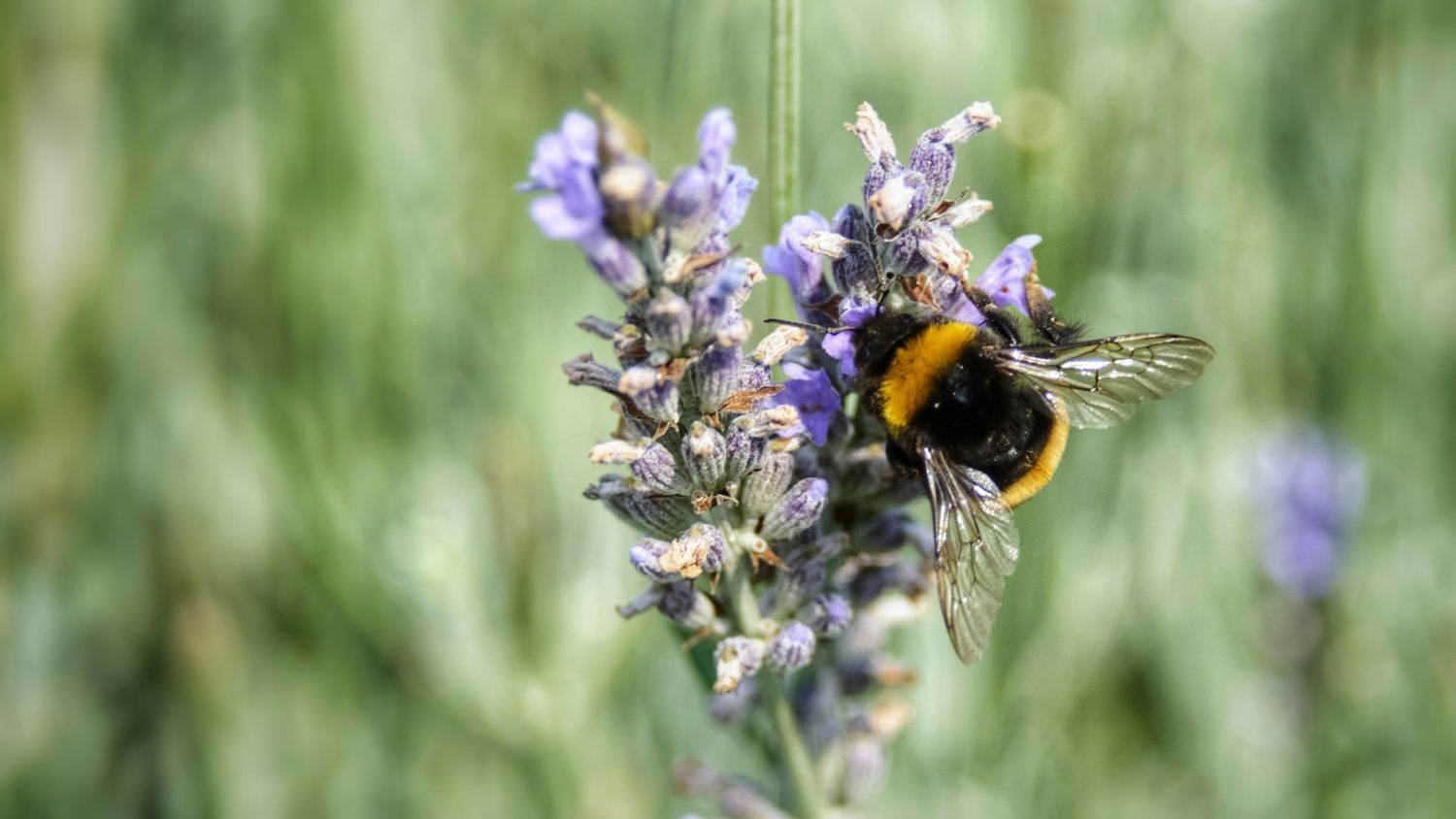
‘Floral buzzing’ to collect pollen as exhausting for bees as flight take-off, study shows – Image for illustrative purposes only (Image credits: Unsplash)
Recent findings show that bumblebees expend as much energy vibrating flowers to release pollen as they do during the demanding moments of flight takeoff. This floral buzzing behavior ranks among the most taxing activities in their daily routines. The discovery sheds light on how these insects make selective decisions about which plants to visit, with direct consequences for pollination success across many species.
Understanding the Physical Toll
Scientists observed that the rapid vibrations bees produce to dislodge pollen require substantial metabolic effort. In many flowers, pollen remains tightly held until shaken loose, and bumblebees achieve this through precise body movements that generate strong oscillations. The energy required matches the burst needed to lift off the ground and begin flying, placing floral buzzing high on the list of strenuous tasks these insects perform.
Bees cannot sustain such high-cost actions indefinitely. They must balance the effort against the reward of available pollen, which varies from one plant to another. This natural constraint leads them to evaluate each flower before committing to the vibration sequence.
How Choices Shape Pollination
When energy demands prove too high for certain flowers, bees simply move on to easier options. This selective approach means some plants receive fewer visits and therefore less effective pollination. Over time, the pattern influences which species thrive in a given area and how pollen moves through the ecosystem.
Researchers note that these decisions are not random. Bees appear to weigh the potential gain against the known cost of buzzing, favoring flowers that release pollen with less effort. The result is a more efficient use of limited energy reserves during foraging trips.
Why the Finding Matters Now
Declines in pollinator populations have raised concerns about food production and wild plant reproduction. Insights into the precise energy costs of everyday behaviors like floral buzzing help explain why certain plants may face reduced pollination under stress. Such knowledge supports efforts to protect habitats that offer bees a mix of high-reward and lower-effort flowers.
Conservation strategies can now account for these hidden demands when planning flower mixes or restoration projects. By recognizing that not all pollen sources are equal in cost, land managers gain a clearer picture of what sustains healthy bee colonies.
What matters now: The energy equivalence between buzzing and takeoff helps predict how bees will respond to changing floral landscapes and guides practical steps to support pollination services.
Looking Ahead
Further study of these behaviors could reveal additional factors that influence bee decisions, such as flower shape or pollen quantity. In the meantime, the current evidence already demonstrates that small differences in plant traits carry outsized effects on insect energy budgets. This understanding reinforces the need to maintain diverse flowering plants that match the natural foraging strategies of bumblebees.
Ultimately, recognizing the true cost of floral buzzing offers a more complete view of the delicate balance between bees and the plants they serve.