

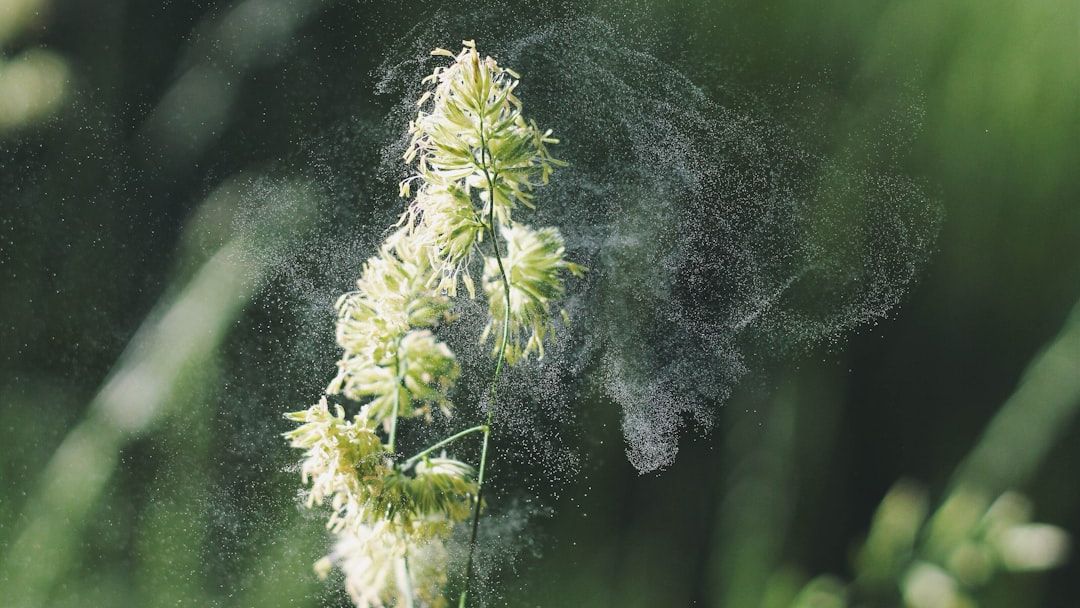
How Climate Change Makes Your Allergies Worse – Image for illustrative purposes only (Image credits: Unsplash)
For millions who battle itchy eyes, runny noses, and relentless sneezing each spring, the discomfort has grown noticeably more persistent in recent years. Warmer temperatures and elevated carbon dioxide levels have extended the time plants release pollen, turning what once felt like a brief seasonal nuisance into a drawn-out challenge. These shifts also interact with other climate-related health pressures, amplifying risks for those already vulnerable.
Extended Growing Seasons Drive Earlier Pollen Release
Plants now begin producing pollen weeks sooner than they did decades ago because winters end earlier and freeze-free periods last longer. In North America, for instance, the average pollen season has lengthened by about 20 days since 1990, with spring blooms arriving as much as 40 days earlier in some projections. Higher carbon dioxide acts as a fertilizer, allowing trees, grasses, and weeds to grow more vigorously and sustain pollen output deeper into fall.
Researchers tracking these patterns across multiple continents report consistent trends tied directly to rising global temperatures. The changes affect not only the calendar but also the types of pollen people encounter, as certain species thrive under new conditions while others shift their ranges. Public health data show that more individuals now experience symptoms over a greater portion of the year, with low-income communities often facing added barriers to relief.
Pollen Counts Rise Alongside Season Length
Beyond the extra weeks, the sheer volume of pollen in the air has increased. Studies indicate plants produce roughly 20 percent more pollen on average compared with 50 years ago, and total emissions in the United States could climb another 16 to 40 percent by century’s end under continued warming. Peak daily counts have climbed in many regions, making even short outdoor exposures more likely to trigger strong reactions.
These higher concentrations compound the effects of longer seasons, leaving allergy sufferers with fewer truly symptom-free days. Thunderstorm asthma events, where high pollen mixes with storm winds to create sudden surges, have also become more frequent in some areas. The combination leaves respiratory systems under greater stress during peak periods.
Compounding Health Effects Emerge
Allergies rarely occur in isolation. Prolonged exposure to elevated pollen can worsen asthma symptoms and increase the need for medical care, particularly among children and older adults. Four recent analyses noted rising allergic rhinitis–related visits, with the sharpest increases in lower-income neighborhoods where access to medications or air filtration remains limited.
Climate change adds further layers through heat waves, poorer air quality, and more frequent extreme weather. These factors can inflame airways already irritated by pollen, creating overlapping burdens that strain both individuals and health systems. Experts note that the full scope of interactions remains under study, yet the observed patterns already point to measurable added harm.
Practical Steps and Ongoing Uncertainties
People can reduce exposure by monitoring local pollen forecasts, keeping windows closed on high-count days, and using air purifiers indoors. Medications such as antihistamines and nasal sprays remain effective for many, though starting them earlier in the season may help as patterns shift. Communities benefit when cities plant fewer high-pollen species in public spaces and improve access to care.
Still, questions persist about how quickly these trends will accelerate and which regions will see the largest jumps. Projections vary depending on future emissions levels, and individual responses differ based on genetics, prior sensitization, and co-existing conditions. Continued monitoring will clarify the pace of change and the most effective adaptations.