

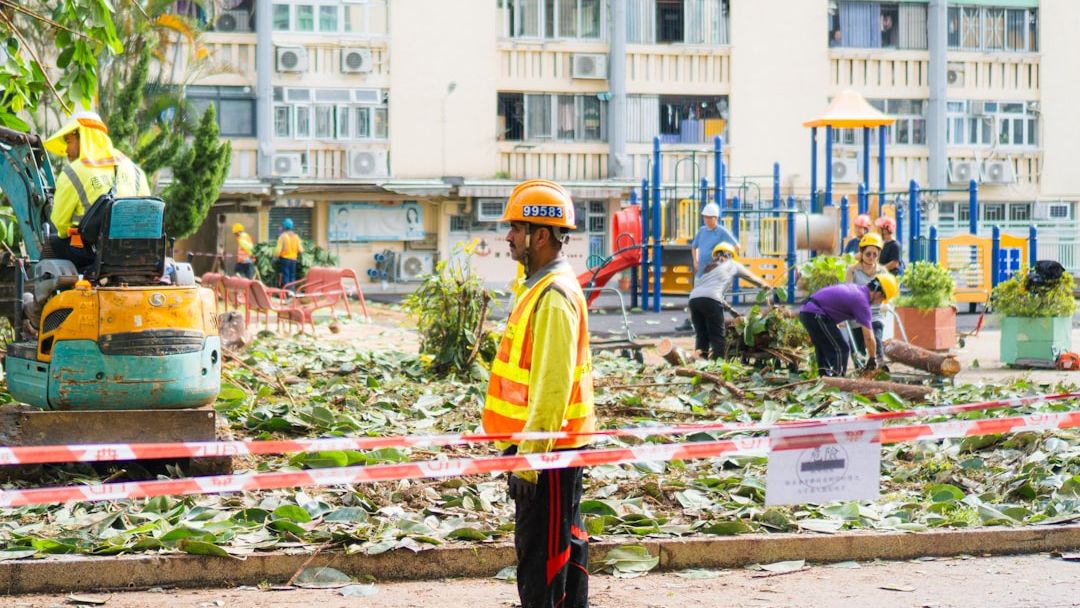
‘We didn’t lose each other:’ How people are picking up the pieces after Super Typhoon Sinlaku – Image for illustrative purposes only (Image credits: Unsplash)
Residents of the Northern Mariana Islands have long lived with the threat of tropical cyclones. These powerful storms arrive with regularity, shaping daily routines and community planning. In recent years, however, climate change has begun to alter the pattern, producing stronger systems that place added pressure on local infrastructure and services.
Why Storm Strength Matters Now
Warmer ocean temperatures supply more energy to developing cyclones. This process allows storms to intensify more rapidly and reach higher wind speeds before making landfall. The Northern Mariana Islands sit directly in the path of many such systems, so even modest increases in intensity translate into greater risks for homes, roads, and public facilities.
Scientists describe the change as a supercharging effect. Storms that once peaked at certain levels now carry more moisture and destructive force. Communities that once recovered within weeks now face longer periods of disruption, especially when essential services such as power and water remain offline for extended stretches.
Disruption to Island Schools
Education systems on the islands depend on stable buildings, reliable transportation, and consistent attendance. When a super typhoon strikes, classrooms often close for days or weeks while repairs take place. Students lose instructional time, and teachers must adjust lesson plans around damaged facilities or temporary learning spaces.
The effect reaches beyond immediate closures. Families may relocate temporarily, scattering students across different islands or even off-island. Catch-up programs become necessary, yet limited resources make it difficult to restore lost learning quickly. Over time, repeated interruptions can widen gaps in academic progress for an entire generation of children.
Community Response and Remaining Questions
Local leaders and residents continue to adapt. They strengthen building codes, improve early-warning systems, and organize mutual-aid networks that help families recover faster. These steps reflect long-standing experience with cyclones, now applied to storms that arrive with greater force.
Still, uncertainty remains about how quickly the climate will continue to shift and how often the islands will face the most extreme events. Ongoing monitoring of ocean temperatures and storm tracks will help refine forecasts. In the meantime, the focus stays on practical measures that protect both people and the continuity of education.