

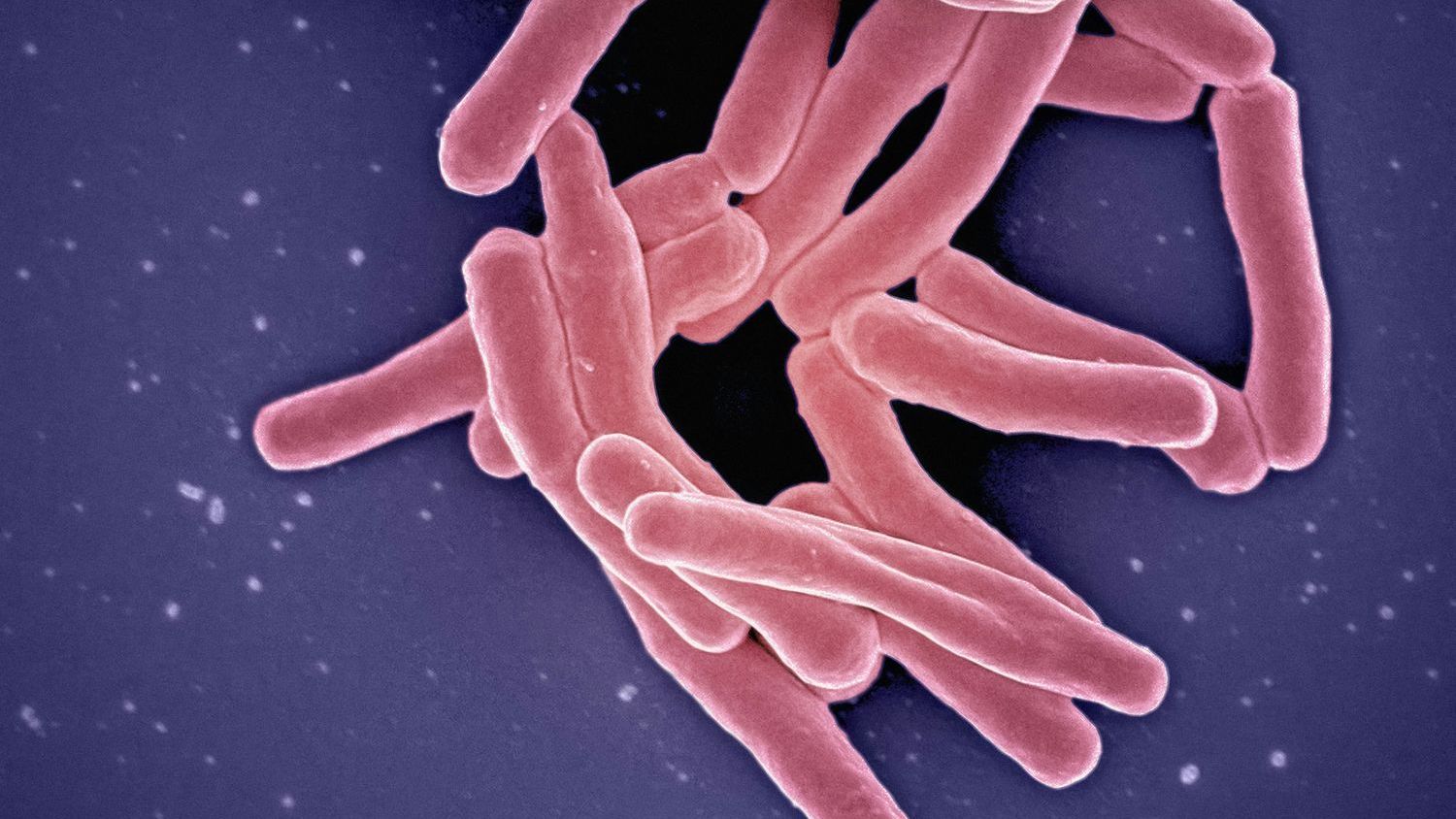
This Gut Factor Predicts How Strongly You React to Stress (M) – Image for illustrative purposes only (Image credits: Unsplash)
Picture yourself under pressure during a timed math challenge, with evaluators watching your every move. Researchers at the University of Vienna recently explored how such acute stress plays out differently from person to person.[1][2] Their investigation revealed that the diversity of bacteria in your gut could influence the intensity of your hormonal and emotional reactions. This finding highlights the intricate gut-brain connection in everyday stress scenarios.
Testing Stress in a Controlled Lab Setting
Scientists recruited 74 healthy adults between ages 18 and 34 for the experiment. Participants provided stool samples at home before arriving at the lab, where their gut microbiomes underwent analysis through 16S rRNA gene sequencing.[2] Half the group – 35 individuals – faced a modified Montreal Imaging Stress Task, or MIST, which combined mental arithmetic under time constraints with social evaluation. The remaining 39 completed a low-pressure version of the same task as a control.
Throughout the sessions, researchers collected saliva samples at seven points to measure cortisol levels, the primary stress hormone. They also tracked subjective feelings of stress via ratings. This setup allowed precise comparisons between stressed and non-stressed groups, controlling for factors like sex, anxiety traits, and baseline cortisol.[3]
Unexpected Ties Between Microbiome Diversity and Reactivity
The stress group exhibited clear elevations in both cortisol and self-reported stress compared to controls. Higher alpha diversity in the gut microbiome – measured by metrics like Shannon index – correlated with greater cortisol reactivity specifically in those under stress, with statistical significance at p=0.038.[2] Similar patterns emerged for subjective stress perceptions, where diversity linked to stronger feelings (p=0.007).
These associations did not appear in the control group, suggesting the microbiome’s role activates under real pressure. Greater diversity often signals a resilient ecosystem, potentially enabling more robust physiological responses. Study leader Thomas Karner noted, “A stronger acute stress response is not necessarily detrimental. Appropriate activation of the stress system enables flexible adaptation to challenges and threats. A greater diversity of gut bacteria, as well as certain metabolic products, could play a supportive role in this process.”[4][1]
Short-Chain Fatty Acids: Fine-Tuning the Stress Dial
Beyond diversity, the research examined bacteria’s capacity to produce short-chain fatty acids, or SCFAs, like butyrate and propionate – byproducts of dietary fiber fermentation. In the stress group, higher levels of butyrate-producing taxa predicted elevated cortisol reactivity (p=0.035), while propionate producers linked to reduced reactivity (p=0.033).[2] These effects held even when analyzed together, pointing to distinct roles for each SCFA.
Butyrate appeared to amplify the stress signal, whereas propionate seemed to dampen it. No direct ties surfaced between SCFAs and subjective stress or post-peak recovery in this study. Still, the results mark the first human evidence connecting inferred SCFA production to acute hormonal responses. Researchers emphasized that moderate cortisol spikes aid energy mobilization and swift recovery, contrasting with chronic dysregulation seen in mental health issues.[3]
Such nuance challenges assumptions that more diversity always means milder stress. Instead, it may equip the body for adaptive vigilance. The Vienna team published these insights in Neurobiology of Stress in 2026, building on animal models where germ-free subjects showed exaggerated reactions.[1]
From Lab to Lifestyle: Pathways to Gut-Supported Resilience
Diet and habits shape microbial diversity and SCFA output directly. Fiber from vegetables, fruits, legumes, and whole grains feeds these bacteria, potentially optimizing stress handling over time.[3] Fermented foods like yogurt, kimchi, sauerkraut, and kefir introduce beneficial strains. Avoiding antibiotics and ultra-processed items helps maintain balance.
- Higher fiber intake boosts SCFA producers, influencing HPA axis activity via the vagus nerve and immune signals.
- Daily stressors can shift microbiome composition bidirectionally, underscoring holistic management.
- Long-term changes might prevent extremes in reactivity tied to anxiety or depression.
While promising, the study relied on a single stool sample and inferred SCFAs, not direct measurements. Future work could track fluctuations or test interventions like probiotics. Karner’s team sees potential in microbiome modulation for stress-related conditions, though human applications remain exploratory.
This research reframes the gut not just as a digestive hub, but as a quiet architect of emotional fortitude. As demands mount in modern life, tending to those trillions of microbes might offer an edge in staying steady.