

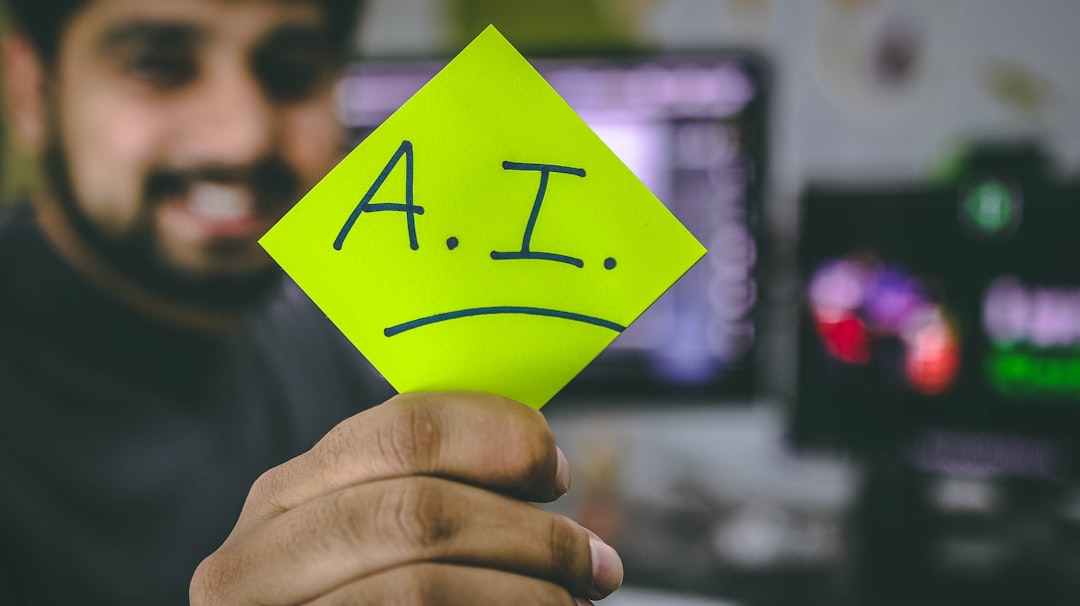
Struggling to Keep Up? These 15 Edtech Companies Are Using AI to Give Teachers Their Lives Back – Image for illustrative purposes only (Image credits: Unsplash)
Generative AI has emerged as a powerful ally in education, directly addressing teacher burnout that affects millions worldwide. Tools now automate lesson planning, administrative tasks, and even mental health check-ins, allowing educators to prioritize student interaction. These advancements, highlighted in recent industry analyses, signal a shift toward sustainable teaching practices amid evolving classroom demands.[1]
Streamlining Daily Workflows
Teachers often dedicate hours to repetitive tasks like crafting lesson plans and grading, time that detracts from meaningful engagement. AI solutions target these pain points precisely, generating customized materials in minutes and handling routine admin with high efficiency. This practical shift promises not just time savings but also fresher, more dynamic instruction.
MagicSchool AI stands out by equipping teachers with rapid lesson development tools alongside built-in safety features for student applications. Such platforms reduce preparation time significantly, enabling educators to adapt content on the fly. Administrative burdens lighten as AI moderates usage and flags issues proactively, fostering safer digital learning environments.
Protecting Academic Integrity
AI-generated content poses challenges for assignment authenticity, leading to widespread concerns over cheating detection accuracy. Advanced detectors now achieve high precision, minimizing false positives that could unfairly penalize students. Educators benefit from reliable verification, restoring confidence in evaluations.
Pangram leads in this space with tools that accurately identify AI misuse in essays and homework. By curbing unauthorized assistance, it upholds academic standards without the pitfalls of earlier, less reliable systems. Teachers gain peace of mind, focusing on genuine skill assessment rather than endless scrutiny.[1]
Supporting Holistic Student Care
Beyond academics, student mental health demands attention, yet teachers lack time for comprehensive monitoring. AI facilitates quick, non-intrusive check-ins that reveal patterns early, empowering proactive interventions. Schools serving diverse populations see particular value here, as these tools scale support effectively.
TrustCircle enables daily self-reflections in mere minutes, using AI to track emotional well-being trends. This approach integrates seamlessly into routines, alerting educators to needs without overwhelming schedules. The result supports a balanced classroom atmosphere where teaching thrives alongside care.[1]
Preparing Educators and Workers for AI Careers
Higher education faces pressure to align curricula with AI-disrupted job markets, where retraining becomes essential for relevance. Platforms now guide displaced workers toward stable roles, often yielding rapid salary boosts. Colleges partner with these services to offer flexible, outcome-focused programs that benefit students long-term.
Coursera and Ellucian collaborate with universities to map career pathways in AI-resilient fields. Meanwhile, Merit America targets low-wage workers with tracks in HR, manufacturing, and supply chains; since 2018, it has served nearly 20,000 individuals, generating $1.4 billion in wage gains. Participants typically see incomes rise from $27,800 to $48,500 within months, with strong representation from underrepresented groups – 63% people of color, 52% women or nonbinary, and 85% without degrees.[1]
| Company | Core AI Application | Impact on Stakeholders |
|---|---|---|
| Merit America | Career upskilling | Wage increases for workers; relevant training for institutions |
| Coursera | Job pathway mapping | Prepares students for AI economy |
| Ellucian | Higher ed retraining | Keeps universities competitive |
Expanding Horizons in Specialized Learning
AI extends into niche areas, enhancing research verification and immersive simulations for targeted disciplines. Global users access peer-reviewed insights effortlessly, while simulations provide risk-free practice. These tools elevate teaching quality across borders and subjects.
Liner aids researchers with verified sources, serving over 12 million worldwide. Patient Ready simulates patient interactions for healthcare trainees, building skills safely. Duolingo engages language learners via a witty AI chatbot that mimics real conversations, boosting retention through interactive flair.[1]
These edtech developments underscore a broader movement: AI as a partner, not a replacement, in education. Teachers regain hours weekly, students receive tailored support, and institutions adapt to future demands. As adoption grows through 2026 and beyond, the focus remains on equitable access, ensuring all educators harness these gains effectively.