

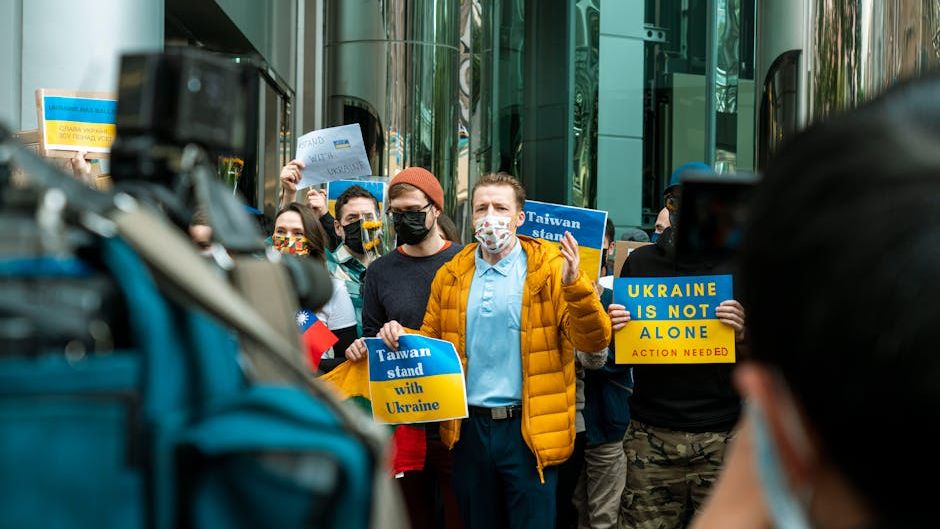
Hungary’s Veto Ends in Oil Deal (Image Credits: Pexels)
Brussels – European Union ambassadors approved a €90 billion loan to Ukraine on April 22, 2026, clearing a major hurdle after Hungary lifted its veto tied to a damaged Russian oil pipeline.[1][2] The deal came hours after Ukraine resumed oil flows through the Druzhba pipeline to Hungary and Slovakia, resolving months of deadlock.[1] This infusion addresses Ukraine’s pressing budgetary and defense needs as the war with Russia enters its fifth year, though it covers only a portion of Kyiv’s overall financing gap.
Hungary’s Veto Ends in Oil Deal
Hungary had blocked the loan since December 2025, citing disruptions to the Druzhba pipeline damaged by Russian drone strikes.[1] Outgoing Prime Minister Viktor Orbán accused Kyiv of delaying repairs, leveraging the issue to stall EU aid. Ukraine’s decision to restart pumping Russian crude from Belarus changed the dynamic, with Hungary’s MOL confirming deliveries would reach Central Europe soon.
EU diplomats viewed the move as a pragmatic compromise. Ukrainian President Volodymyr Zelenskyy called it “the right signal under the current circumstances,” stressing that both support for Ukraine and pressure on Russia remained essential to end the war.[1] The approval also paved the way for fresh sanctions against Moscow.
Loan Mechanics and Repayment Plan
The EU will borrow the funds on capital markets, backed by its budget headroom, and lend them interest-free to Ukraine in two €45 billion tranches for 2026 and 2027.[3][4] Repayment hinges on post-war reparations from Russia, potentially drawing from €210 billion in frozen central bank assets held in the EU – without direct confiscation to avoid legal challenges.[3] First disbursements could arrive by late May or early June.
Ukraine faces conditions like strengthening rule of law and anti-corruption efforts.[4] This structure shifts financial risk away from Kyiv while pressuring Moscow long-term.
Funding Breakdown and Immediate Impact
The package targets Ukraine’s estimated €135 billion needs over two years, providing about two-thirds through targeted allocations.
- €28 billion annually for military spending, including air defenses and drone production.
- €17 billion per year for general budget support, covering wages, pensions, and services.[1][3]
Alternative breakdowns emphasize €30 billion in economic aid and €60 billion for defense investments.[4] Without this, economists warned Kyiv could exhaust reserves by June 2026, crippling its war effort.[1] U.S. aid, which plummeted 99 percent last year, left Europe as Ukraine’s primary backer.[2]
Gaps Persist Despite the Boost
Prior EU support totals €194.9 billion, including €43.3 billion in macro-financial loans since 2022 and €36.8 billion from the Ukraine Facility.[4] Yet the new loan addresses only part of the €130 billion gap projected for 2026-2027, with remaining funds reliant on other donors.[5] An extra €117 billion from the EU’s long-term budget may extend stability through 2029.
Hlib Vyshlinsky of Kyiv’s Center for Economic Strategy noted the pledges firm up Ukraine’s finances, turning pressure toward Russia’s strained economy.[2] Still, unresolved debates over frozen assets and potential U.S. demands highlight ongoing vulnerabilities. As the conflict drags on, Europe’s commitment signals resolve, but sustained global coordination will determine if this lifeline evolves into lasting security.