

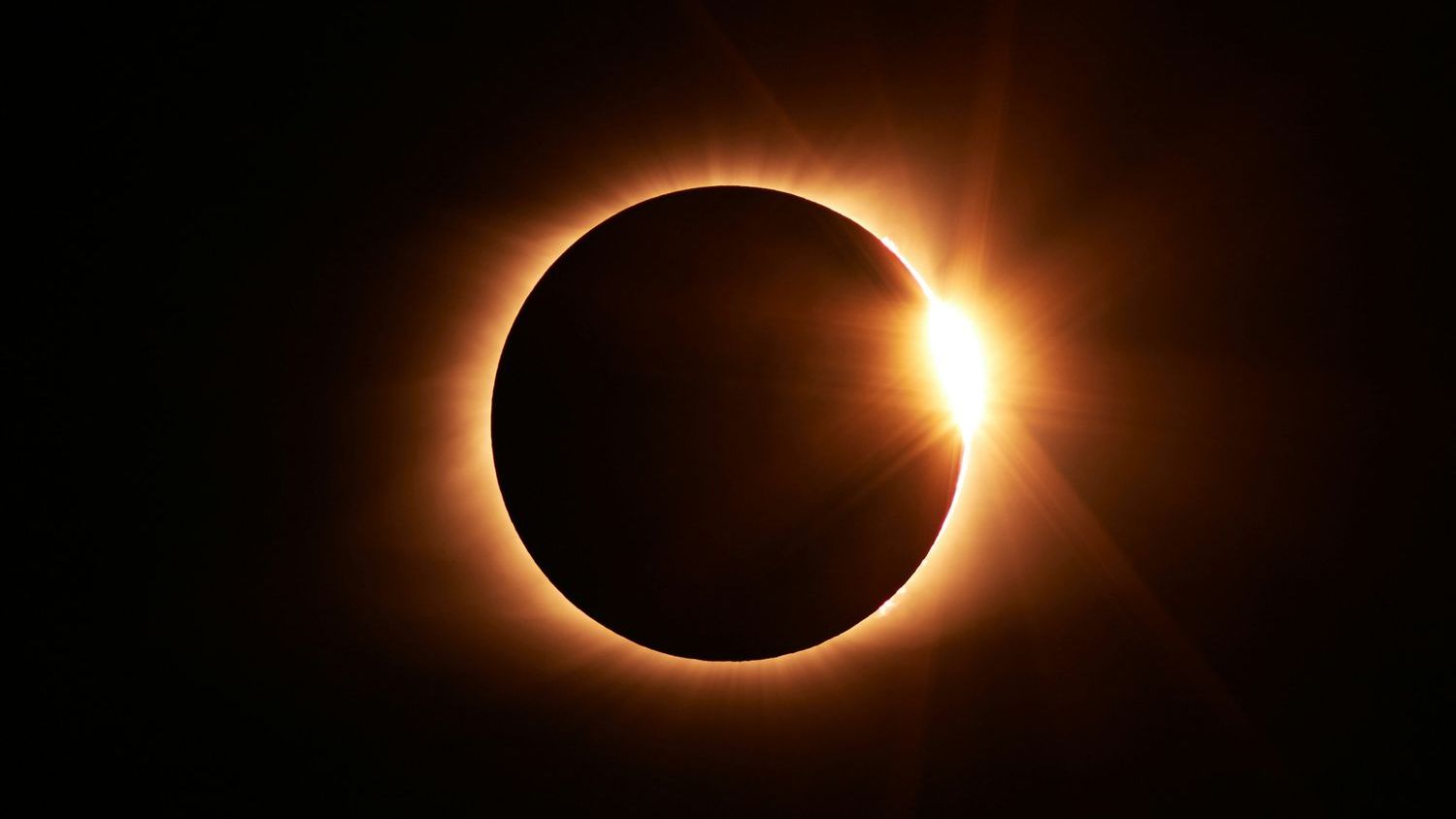
Everyone is booking the 2027 ‘eclipse of the century’ over Luxor for its record 6-minute totality – and veteran chasers say that’s exactly the wrong way to pick an eclipse – Image for illustrative purposes only (Image credits: Unsplash)
Solar eclipse enthusiasts now face a clear fork in the road for the next two summers. One path leads to a brief but convenient total eclipse across parts of Europe in 2026. The other points to a much longer event centered on Luxor, Egypt, in 2027 that has drawn heavy advance bookings.
Veteran observers who have witnessed multiple eclipses argue that the longer duration alone does not justify the added complications. They point instead to practical factors such as travel ease, cost, and the quality of the overall experience. The debate has split the community between those chasing maximum seconds of darkness and those prioritizing reliable access to the event itself.
Two eclipses, sharply different profiles
The August 12, 2026, eclipse begins in Siberia, crosses eastern Greenland and western Iceland, then moves through northern Spain before ending in the Mediterranean. Maximum totality lasts just over two minutes, marking the first total solar eclipse visible from mainland Europe since 1999.
Less than a year later, on August 2, 2027, the moon’s shadow sweeps from southern Spain across North Africa and into the Middle East. At Luxor the period of totality reaches six minutes and 22 seconds, the longest inland duration since 1991 and the longest expected until 2114. On paper the 2027 event appears far superior, yet experienced chasers see the extra minutes as a poor guide for planning.
Duration alone misses the real experience
The core insight from repeated eclipse observers is that the transition into totality remains the same whether it lasts two minutes or six. Once the moon fully covers the sun, daylight gives way to the corona and a sudden twilight regardless of how long the alignment holds. Shorter events can even heighten the drama because the change feels more abrupt.
Positioning near the edge of the path of totality sometimes produces sharper contrasts in just seconds. The 2019 South American eclipse offered a cautionary lesson when many skipped it for a slightly longer 2020 event that was later disrupted by weather and travel restrictions. Those who waited lost the opportunity entirely.
Practical advantages of the 2026 path
For travelers already in Europe the 2026 eclipse requires minimal extra effort. The path passes directly over Reykjavik and several Spanish cities, placing it within easy reach of major population centers. In Spain the low sun angle during totality creates the rare sight of a fully eclipsed sun setting over land, especially striking in the Balearic Islands.
Clear infrastructure and existing summer tourism in the region reduce logistical strain. While crowds and possible smoke from wildfires remain concerns, these issues stay manageable compared with the scale of challenges farther south.
Why the 2027 Luxor option carries heavier costs
The 2027 path offers longer totality in North Africa, yet Luxor in August brings daytime temperatures near 105 degrees Fahrenheit along with frequent dust storms. Organized tours have already risen sharply in price and availability has tightened. For most people the added duration comes at several times the expense and risk of the European alternative.
Southern Spain provides a middle ground on the 2027 path with more than four minutes of totality, but that option still requires waiting an extra year for only a modest gain. Astronomer Tyler Nordgren notes that the best choice is usually a location worth visiting even without an eclipse overhead, a standard that favors Iceland or northern Spain in 2026 over Upper Egypt in peak summer heat.
| Factor | 2026 Eclipse | 2027 Luxor Eclipse |
|---|---|---|
| Maximum totality | Just over 2 minutes | 6 minutes 22 seconds |
| Primary access | Europe, easy drive from major cities | North Africa, limited infrastructure |
| Typical August conditions | Mild to warm, established tourism | 105°F heat, dust storms |
| Booking status | Still widely available | Already expensive and tight |
The 2024 North American eclipse showed how quickly demand can overwhelm local capacity. The same pattern is repeating, yet the 2026 route offers denser support networks and lower overall barriers. For the majority of travelers the shorter European eclipse delivers the essential phenomenon without the premium attached to the record duration.