

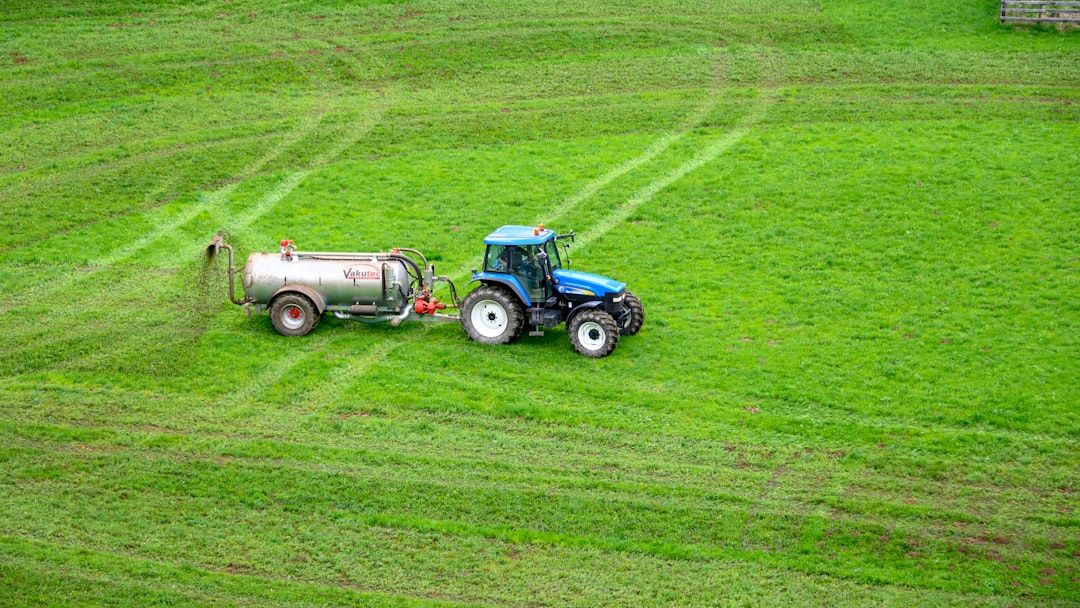
‘Food insecurity is no longer just about low-income countries’: Environmental economist explains how climate change is pushing agricultural systems to the brink – Image for illustrative purposes only (Image credits: Unsplash)
Recent reports from United Nations agencies and health researchers have underscored a troubling shift in food security threats. Extreme temperature swings now disrupt crop production and endanger farm laborers across the world, extending risks far beyond traditional hotspots in developing nations.[1][2] Environmental economist Shouro Dasgupta, who contributed to analysis on Europe’s changing climate indicators, explained how these patterns signal broader vulnerabilities in agricultural systems.
Crops Face Breached Temperature Limits
Farmers worldwide observed declining yields as heat exceeded optimal growing conditions. Major staples like maize and wheat suffered losses of 7.5% and 6.0% respectively for each degree of warming, according to synthesized data from global studies.[2] Prolonged droughts compounded these effects, parching soils and preventing harvests in regions previously spared such extremes.
Dasgupta noted that crops thrive only within specific temperature bands. “Our crops are productive when the temperature is within a certain range,” he stated. “With extreme heat, we often see this range being breached.”[1] Case studies from India, Brazil, and Morocco illustrated sharp drops, including 43% fewer cereals in Morocco during the 2023-2024 season and over 20% losses in Brazilian soybeans.
Livestock and Aquatic Systems Under Strain
Animals proved equally sensitive to rising heat. Livestock experienced reduced feed intake – down 3-5% per degree above 30°C – and higher mortality rates during heatwaves, with cattle facing 10-24% death risks in severe events.[2] Dairy output fell alongside quality, as stress diminished milk fat and protein content.
Fisheries encountered marine heatwaves covering 91% of oceans in 2024, prompting species migrations at 52 kilometers per year and mass mortalities. Salmon farms in Chile lost 100,000 tonnes worth $800 million in 2016 alone, a pattern repeating in warmer waters.[2] These disruptions rippled through supply chains, threatening protein sources for billions.
Agricultural Workers Bear the Brunt
Farm laborers lost half a trillion working hours yearly to extreme heat, forcing breaks that cut productivity by 2-3% per degree above 20°C. In high-exposure sectors, conditions above a wet-bulb globe temperature of 26°C posed direct health dangers, yet many lacked contracts or safety nets.[1][2]
Dasgupta highlighted the human cost. Workers often sacrificed health for income, as “agricultural workers also tend to have the least amount of social protection.”[1] Projections warned of up to 250 unworkable days annually in South Asia and sub-Saharan Africa under continued warming.
| System | Critical Heat Threshold | Key Impact |
|---|---|---|
| Crops (maize, wheat) | >30°C | Yield decline, pollen sterility |
| Livestock (cattle) | >25°C | Feed reduction, mortality rise |
| Fisheries | >28°C | Mass die-offs, migrations |
| Workers | WBGT >26°C | Productivity loss, health risks |
Europe Grapples with New Realities
Even affluent areas felt the pressure. The Lancet Countdown report documented one million more Europeans facing food insecurity in 2023, compared to the 1981-2010 baseline, due to intensified heatwaves and droughts.[1] High-exposure workers in agriculture and construction logged 24 fewer hours annually from 2020-2023 warming.
These trends eroded earnings, farm profits, and regional output. Food insecurity, once linked primarily to poverty, now stemmed from climate-driven supply shortfalls. Dasgupta emphasized, “food insecurity is no longer just about low-income countries. This is happening now in Europe.”[1]
Building Resilience Amid Rising Temperatures
Adaptation offered hope, though challenges persisted. Early warning systems, climate-resilient crop varieties, and adjusted planting schedules could buffer losses, drawing from successes in Bangladesh over three decades.[1] Financial tools like insurance and cash transfers aimed to protect vulnerable households preemptively.
Low-emission pathways promised relief: under optimistic scenarios, livestock losses dropped two-thirds, and extreme events rose far less than in high-warming futures.[2] Yet socioeconomic barriers in lower-income areas demanded international support to scale solutions effectively.
These developments demand urgent attention to safeguard food systems. As heat patterns intensify, proactive measures will determine whether agriculture bends or breaks under climate pressure.