
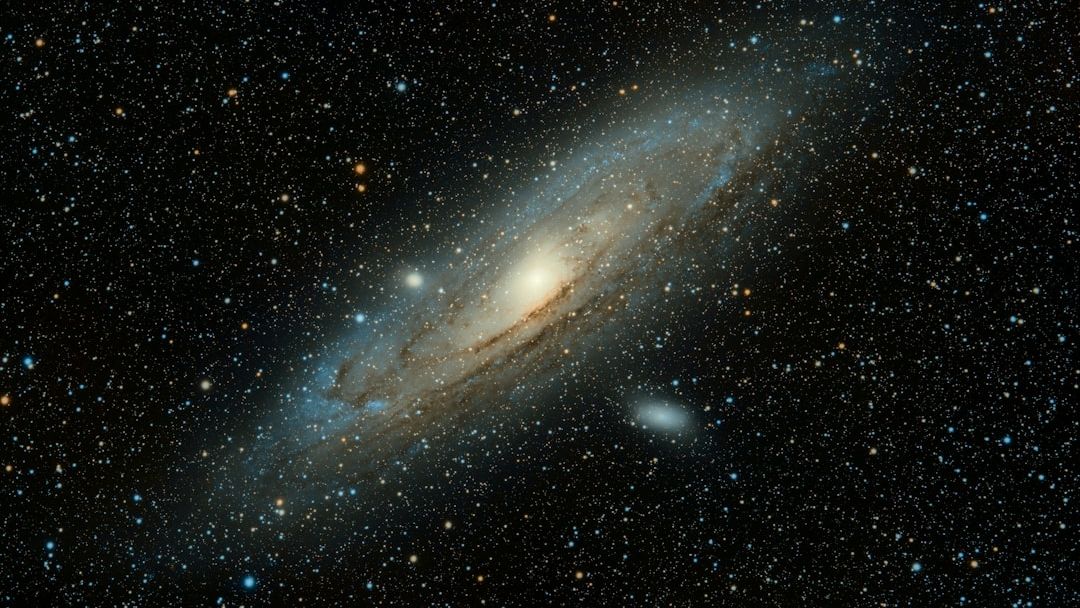

The universe is roughly 13.8 billion years old. Our galaxy alone contains somewhere between 200 and 400 billion stars, and the observable cosmos holds an almost incomprehensible number beyond that. Given those numbers, finding evidence of other life should not be a surprise. It should be routine.
The Fermi paradox is the discrepancy between the lack of conclusive evidence of advanced extraterrestrial life and the apparently high likelihood of its existence. That gap between expectation and reality has troubled physicists, astronomers, and philosophers for decades. Now, in 2026, we are closer than ever to partial answers – and some of those answers are genuinely unsettling.
Fermi’s Lunch Table Question That Changed Science
It was a simple question asked over lunch in 1950. Enrico Fermi, the Nobel Prize-winning physicist who helped usher in the atomic age, was dining with colleagues at Los Alamos, New Mexico, when the conversation turned to extraterrestrial life. Given the vastness of the universe and the statistical likelihood of other intelligent civilizations, Fermi wondered: “Where is everybody?”
Seventy-five years later, scientists say we’re closer to an answer. When Fermi posed his famous paradox, we hadn’t identified a single planet beyond our solar system. That changed dramatically. The 1995 discovery of the first exoplanet allowed scientists to break the paradox into smaller, more solvable questions: How many stars are there? How many of those stars have planets? What fraction of those planets are Earth-like?
A Universe Full of Planets – But How Many Can Host Life?
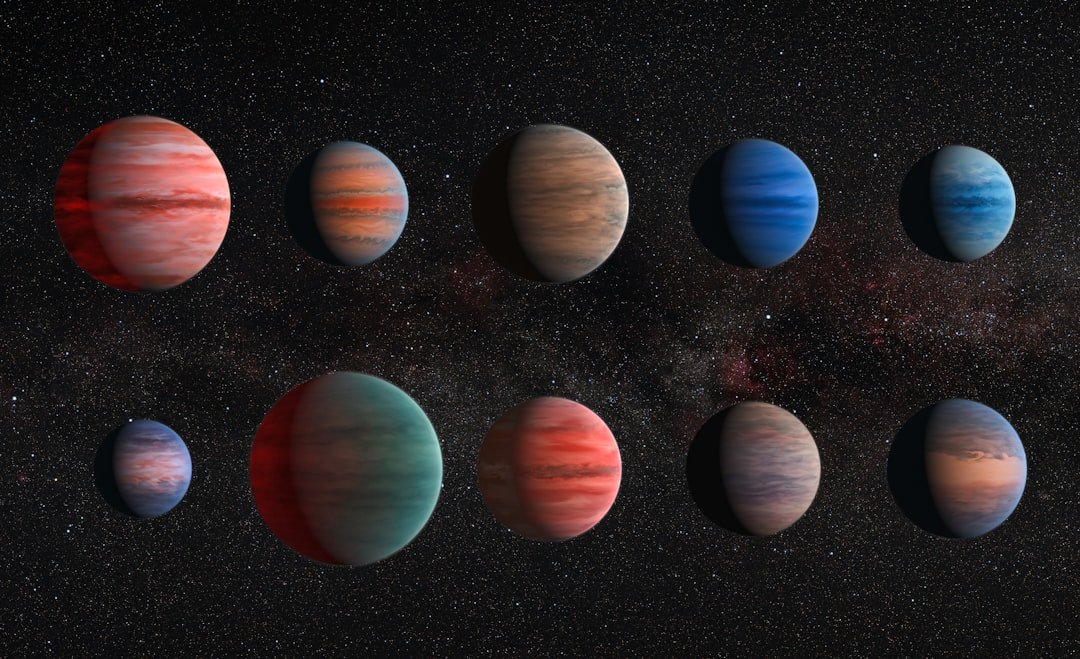
Since Fermi’s paradox was posed, discoveries have shown that at least a quarter of stars host Earth-sized, potentially habitable planets. That is an enormous number in absolute terms. NASA has unveiled new discoveries beyond our solar system, with the confirmed exoplanet count surpassing 6,000, and several thousands more awaiting confirmation.
Yet sheer quantity does not guarantee suitability. Researchers have proposed that plate tectonics, continents, and oceans are critical for fostering intelligent life on a rocky planet, and have estimated just how common such attributes may be. The team suggested that the lack of evidence of complex extraterrestrial life may be due to the scarcity of planets hosting long-lived plate tectonics and an appropriate mix of land and water. Doing so reduces the number of predicted communicative life-forms in the Milky Way by several orders of magnitude, which is a step toward reconciling the Fermi paradox.
The K2-18b Discovery: The Most Tantalizing Clue Yet

Scientists have detected unique chemical patterns similar to those produced by Earth’s algae and seaweed, raising the possibility of a warm ocean, perhaps teeming with life, on a planet 729 trillion miles away. This was the K2-18b announcement of April 2025, and it sent ripples through the scientific community. The signs were found on K2-18b, an exoplanet orbiting a red dwarf star, roughly twice the size of Earth and 124 light-years away, according to a team of researchers led by Cambridge University.
Using the James Webb Space Telescope, the team detected chemical fingerprints within the atmosphere of K2-18b that suggest the presence of dimethyl sulfide, or DMS, and potentially dimethyl disulfide, or DMDS. On Earth, most dimethyl sulfide in the atmosphere is emitted by marine phytoplankton. The implication is obvious, though caution is warranted. The study authors, and other experts, remain cautious and have not declared a definitive discovery of life beyond our planet.
Why Scientists Are Holding Back Their Excitement

Other researchers have challenged the team’s interpretation of the data, and one later analysis concluded that there is no evidence of DMS or DMDS in K2-18b’s atmosphere. The scientific debate is vigorous and ongoing. Laboratory experiments in 2024 demonstrated abiotic DMS formation under simulated exoplanetary conditions, and DMS has also been detected in cometary and interstellar environments, far removed from life as we know it.
We cannot see life directly from so far away, and we also cannot travel to exoplanets to confirm findings. Because of this, there is, for now at least, always an element of uncertainty in interpreting spectral findings as evidence for life. Rather than a single “Eureka” moment, scientists will more likely find many small pieces of evidence that build over time and gradually point to a conclusion.
The Great Filter: Is the Worst Still Ahead of Us?

The Great Filter is the idea that, in the development of life from the earliest stages of abiogenesis to reaching the highest levels of development on the Kardashev scale, there is a barrier to development that makes detectable extraterrestrial life exceedingly rare. The disturbing edge of this theory cuts both ways. According to the Great Filter hypothesis, at least one of the steps toward interstellar civilization must be improbable. If it is not in the past, then the implication is that the improbable step lies in the future and humanity’s prospects are still bleak.
The main conclusion of the Great Filter is that there is an inverse correlation between the probability that other life could evolve to humanity’s present stage, and the chances of humanity to survive in the future. Put plainly, the more common simple life turns out to be, the more frightening that inverse relationship becomes. Finding microbial life on K2-18b, if confirmed, would not be cause for pure celebration. It would shift the likely location of the filter toward our future rather than our past.
The Dark Forest: When Silence Is a Strategy
The Dark Forest hypothesis suggests that the universe is a dangerous place, full of hostile civilizations. Each civilization, like a predator in the forest, tends to survive and is ready to destroy any other, in pursuit of resources or to eliminate a potential danger. It is a chilling framework. It argues that the silence we observe is not accidental but deliberate, that every advanced civilization has learned to stay quiet or face extinction.
A 2025 technosignature survey report describes observations of over 950,000 unique pointings during the VLA Sky Survey. These results suggest that if galactic civilizations exist, they are either extremely rare, deliberately concealing their activities, or operating at power levels below current detection thresholds. The implications for the Dark Forest Theory are complex. On one hand, the absence of detectable signals is consistent with the theory’s prediction that civilizations maintain strict silence to avoid detection.
The Acceleration Problem: Civilizations That Go Dark Too Fast

The search for extraterrestrial intelligence has historically focused on detecting electromagnetic technosignatures, implicitly assuming that alien civilizations are biological and technologically analogous to ourselves. A new framework challenges that paradigm, arguing that highly advanced, potentially post-biological civilizations may undergo rapid technological acceleration, quickly progressing beyond recognizable or detectable phases.
A simple model shows that the technological acceleration rate of such civilizations can compress their detectable phase to mere decades, dramatically narrowing the temporal window in which their technosignatures overlap with our current capabilities. This framework offers a plausible resolution to the “Great Silence”: advanced civilizations may be abundant and long-lived, but effectively invisible to present-day SETI methods. In other words, we may be looking for something that civilizations only are for a geological eyeblink.
What Earth Looks Like From the Outside
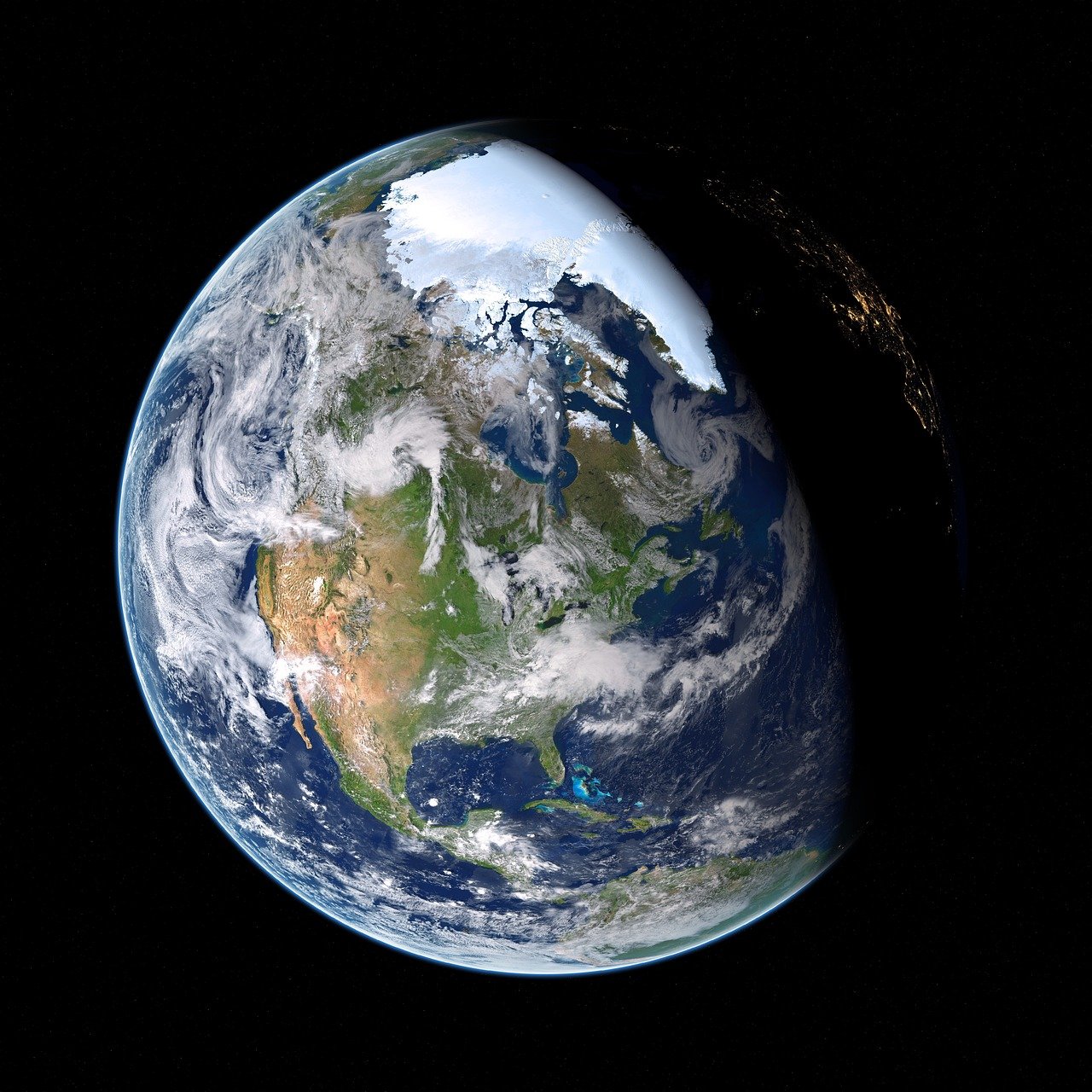
A research team led by Dr. Sofia Sheikh of the SETI Institute set out to answer a straightforward question: if an extraterrestrial civilization existed with technology similar to ours, would they be able to detect Earth and evidence of humanity? The findings were instructive. Radio signals, such as planetary radar emissions from the former Arecibo Observatory, are Earth’s most detectable technosignatures, potentially visible from up to 12,000 light-years away. Weaker signals, like cell phone emissions, reach only a few light-years. Other indicators, such as atmospheric pollution, have even shorter ranges.
This research functions as a useful mirror. If we can only be detected across a limited fraction of the galaxy using our most powerful signals, then civilizations we are searching for face the same constraints. The cosmos is not quietly broadcasting. Most of it probably never does.
Biosignatures Are Not a Silver Bullet
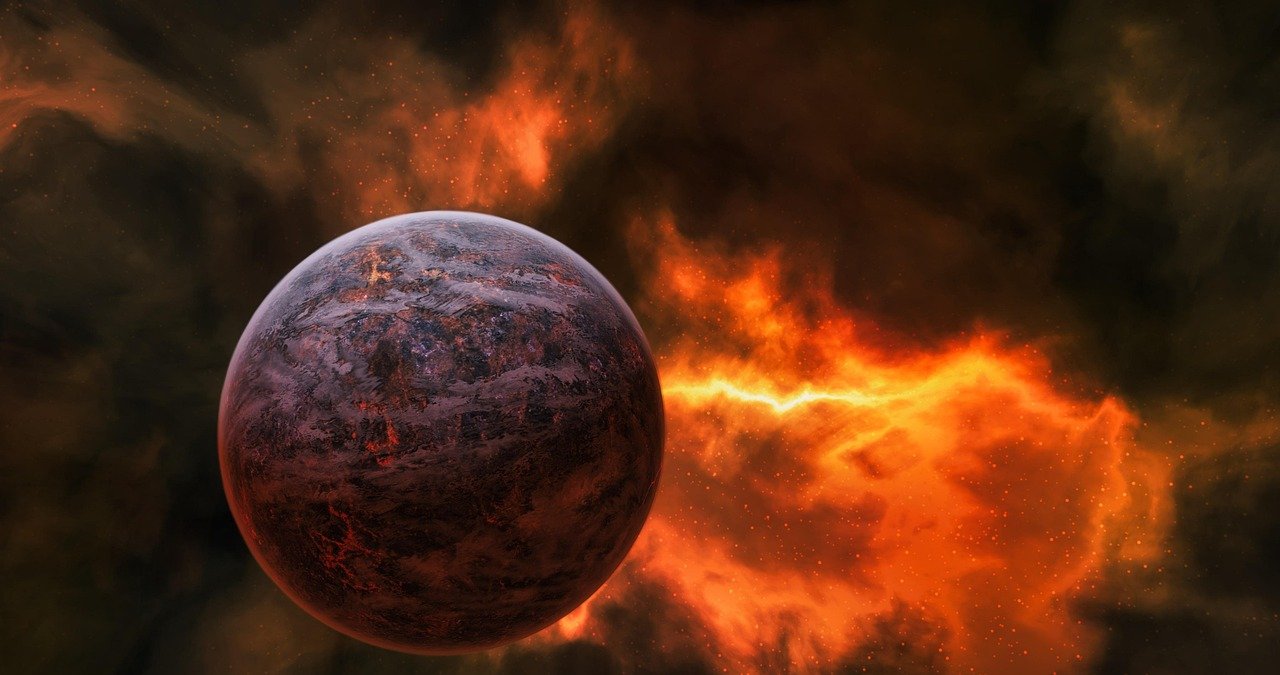
Exoplanet researcher Sara Seager of MIT and colleagues recently published a preprint identifying 15 potential biosignature gases. These chemical clues include chlorofluorocarbons and molecular oxygen. The challenge is interpretation. Seager and her colleagues note that there is no “silver bullet” biosignature. Spectra can be interpreted in different ways, and this generation of astronomers might not have the tools to confirm or deny their hypotheses.
The 2020 announcement of phosphine on Venus, once hailed as a possible biosignature, was later questioned as researchers found alternative explanations for the spectral features. Similarly, the 1996 claim of fossilized bacteria in a Martian meteorite was dealt a critical blow when further research revealed that the key evidence could have been formed through non-biological processes. History counsels patience before proclamation.
What Comes Next: The Tools We Are Building

The search for signs of life in the universe has entered a new phase with the advent of the James Webb Space Telescope. JWST was not specifically designed for biosignature detection, and its limits are becoming clearer. The upcoming Habitable Worlds Observatory, slated for launch in the 2040s, will be the first space telescope optimized to search for biosignatures on Earth-sized planets in habitable zones. By directly imaging exoplanets and capturing higher-resolution spectra, it will help resolve questions like those surrounding K2-18b with far greater clarity.
The National Academies’ Committee for a Decadal Survey on Astronomy and Astrophysics recommended the development of the Habitable Worlds Observatory, a space telescope designed to hunt for chemical signs of life on other planets. If built and launched, the HWO would image at least 25 potentially habitable worlds. The project remains tentative, subject to funding and political will. Science rarely moves at the pace the questions demand.
Conclusion: The Silence Is the Message

Seventy-five years after Fermi posed his question over lunch, we have more data, better telescopes, and a growing collection of tantalizing signals that stop just short of proof. In 2025, Earth remains the only planet where life is known to exist. Among the thousands of known worlds, the only one we are certain has ever had life on it is Earth.
Galaxy-spanning civilizations would be expected to be detectable via technosignatures including artificial electromagnetic beacons, signs of astro-engineering, or extraterrestrial artifacts. So far, there has not been a definite detection from any such search. That sustained absence is itself data. Whether it reflects rarity, deliberate concealment, technological transcendence, or the cold arithmetic of the Great Filter, the silence of the cosmos carries weight.
Finding hints of life on K2-18b does not end the paradox. If anything, it sharpens it. Life may be out there, struggling toward complexity, burning through its window of detectability, and then going quiet in ways we do not yet understand. The question Fermi asked in 1950 has never felt more urgent, or more unresolved.