

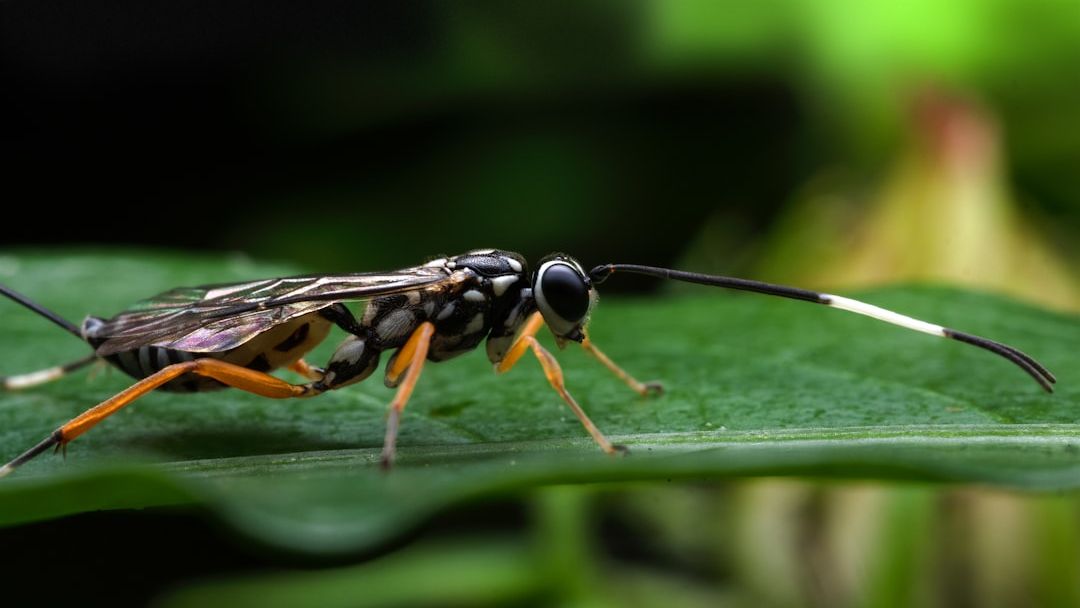
Tiny parasitic wasp named after David Attenborough for his 100th birthday – Image for illustrative purposes only (Image credits: Unsplash)
A specimen collected more than four decades ago and stored unnoticed in the Natural History Museum’s collections has now been identified as an entirely new genus of parasitic wasp. Researchers chose the discovery to mark Sir David Attenborough’s 100th birthday on 8 May. The move adds one more organism to the long list already named after the broadcaster.
Specimen Rediscovered After Decades
The wasp had remained in storage since 1983. A volunteer examining the museum’s holdings recently noticed features that did not match any known group. Further study confirmed the insect represented both a new genus and a new species within it. Museum scientists then prepared the formal description that places the find in the scientific record.
Parasitic wasps are small insects whose larvae develop inside or on other insects. The newly recognised genus belongs to this diverse group, though its precise host and life cycle remain under study. The original specimen provides the only physical evidence so far, underscoring how much material in major collections still awaits detailed examination.
Attenborough’s Growing List of Namesakes
Attenborough already lends his name to lizards, bats, frogs, weevils, flatworms, snails and spiders. Each tribute reflects his decades of work bringing natural history to wide audiences. The new wasp continues that pattern while highlighting a less familiar corner of insect diversity.
Taxonomists often select prominent figures when naming species or genera. Such choices draw public attention to the organisms and to the institutions that preserve them. In this case the birthday timing adds a celebratory note to an otherwise routine scientific process.
Why Museum Collections Still Yield Surprises
Large natural history museums hold millions of specimens gathered over centuries. Many were described quickly at the time of collection and then set aside. Modern techniques and fresh eyes can reveal that some of these older samples belong to previously unrecognised groups.
The 1983 wasp illustrates the point. Its distinctive traits went unnoticed until a volunteer’s routine check. The find shows that even well-curated collections continue to produce new information without additional fieldwork. Researchers expect similar discoveries as more material receives closer scrutiny.
Next Steps for the New Genus
Scientists will now look for additional specimens in the wild and in other museum drawers. Genetic analysis, once tissue is available, could clarify the wasp’s evolutionary relationships. Until then the single 1983 example stands as the formal reference for both the genus and its species.
The description itself follows standard taxonomic practice. It includes detailed measurements, photographs of key structures and comparisons with related wasps. Publication places the name in the permanent scientific literature, ensuring future researchers can recognise the group.