

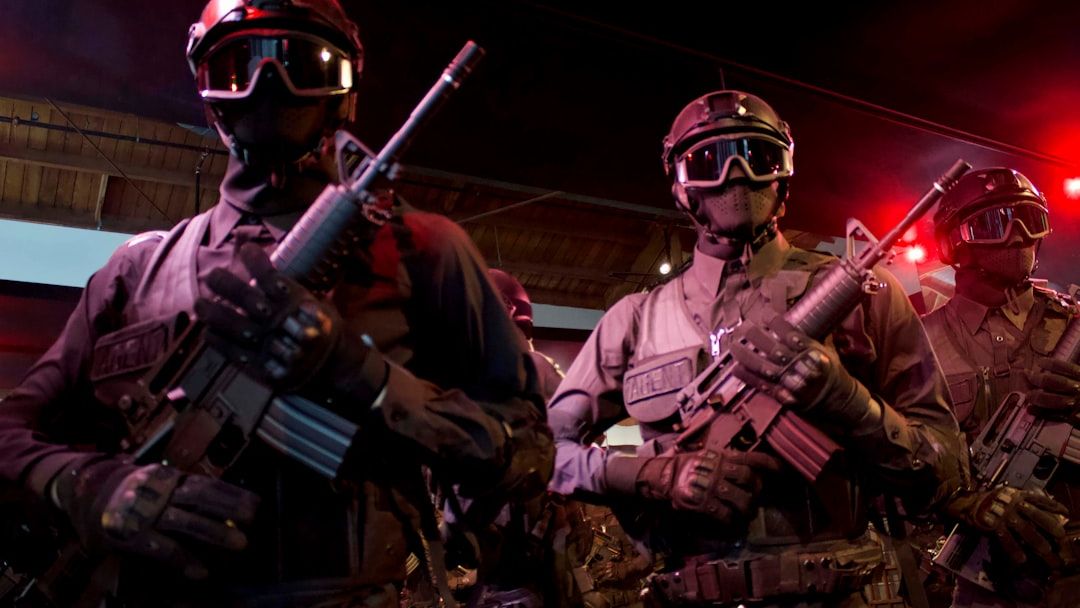
“Gringo Cartels”: How Drug Gangs Operate in the U.S. – Image for illustrative purposes only (Image credits: Unsplash)
A recent guilty plea in a New York federal courtroom underscored the reach of Latin American cartels into the United States. Ismael “El Mayo” Zambada, a longtime Sinaloa Cartel leader, admitted to trafficking vast amounts of drugs across the border for decades. Yet this high-profile moment masked a critical reality on American streets, where local gangs manage distribution, sales, and laundering. These groups form the backbone of the nation’s massive drug market, operating far from the spotlight.
A Victory Overshadowed by Local Realities
Federal authorities celebrated Zambada’s confession as a major blow against foreign suppliers. Former U.S. Attorney General Pam Bondi echoed a familiar refrain, pointing to Latin American organizations as the primary culprits behind the influx of narcotics. Such cases reinforce the narrative that the drug problem originates abroad, with the United States serving only as the end point.
That view, however, overlooks the intricate domestic operations required to sustain demand. Once drugs enter the country, networks handle wholesale-to-retail transitions, street-level dealing, and financial flows. Experts note that American groups fill these roles, turning imported product into everyday transactions that fuel addiction and violence in communities nationwide.
The Vast Network of U.S. Gangs
The Federal Bureau of Investigation estimates more than 30,000 gangs operate across the United States, involving roughly 1.4 million members. These organizations vary in size and focus but share involvement in drug-related activities. Prominent examples include the Arizona Mexican Mafia, Barrio Azteca, Border Brothers, Hells Angels, and Latin Kings.
Unlike the centralized hierarchies south of the border, these groups exert control over specific territories – neighborhoods, blocks, or even individual corners. Their presence creates a patchwork of influence, making the drug trade resilient to targeted enforcement. A takedown in one area rarely disrupts operations elsewhere, as cells function with autonomy.
Debating the “Cartel” Label
Some analysts argue these domestic entities qualify as cartels, drawing parallels to those in Colombia, Mexico, and Central America. They point to the gangs’ roles in sales, transportation, distribution, and money laundering, often in partnership with foreign wholesalers. Mexican cartels, having learned the risks of direct U.S. operations, now rely on these locals as key intermediaries.
Yet federal agencies like the DEA resist this classification. Acknowledging homegrown cartels could undermine diplomatic pressure on supplier nations, such as recent U.S. threats toward Mexico over trafficking. Critics also highlight an unaddressed public health crisis – rising demand driven by inadequate education and treatment – that has amplified the problem over decades.
- Arizona Mexican Mafia: Controls segments of the Southwest drug flow.
- Barrio Azteca: Linked to border violence and distribution.
- Border Brothers: Focuses on cross-border logistics.
- Hells Angels: Engages in nationwide trafficking.
- Latin Kings: Dominates urban street sales.
Structural Differences and Operational Flexibility
Organizations like Insight Crime emphasize why U.S. gangs differ from Latin counterparts. They lack the deep corruption of officials, politicians, or elites seen abroad, maintaining limited ties to power structures. Without challenging state authority outright, these groups avoid drawing overwhelming federal scrutiny.
Fragmentation defines their model: no overarching “boss of bosses” dictates terms. Independent cells negotiate with multiple suppliers, prioritizing deals over loyalty. This adaptability sustains the trade amid arrests and seizures. Drug consumption has climbed steadily, with imports from Latin America, Asia, and beyond feeding the pipeline.
The Perils of Visibility in a High-Stakes Environment
America’s absence of a singular drug lord stems from calculated restraint. Robust law enforcement, coupled with harsh penalties, erodes fortunes built on notoriety. Historical precedents, like Al Capone’s downfall or the dismantling of Italian Mafia leaders, serve as stark lessons.
Low profiles minimize risks, allowing operations to persist quietly. Gangs thrive in this decentralized ecosystem, where no one figure’s capture unravels the whole. As foreign suppliers adapt, domestic networks endure, perpetuating a cycle that burdens families, overwhelms communities, and strains public resources.
The drug trade’s persistence reveals uncomfortable truths about internal vulnerabilities. While border interdictions grab headlines, street-level resilience highlights the need for broader strategies addressing demand and local power bases. For those ensnared in addiction or gang life, the fragmented reality offers little respite.