

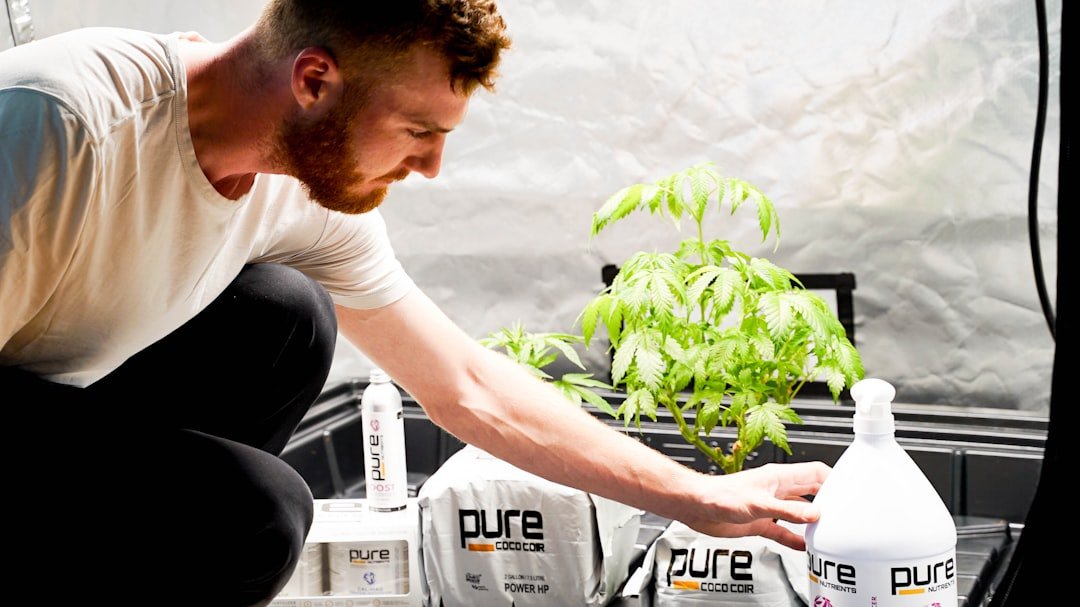
Alfalfa Roots Reveal Microgravity Secrets (Image Credits: Unsplash)
Humanity’s push toward the Moon, Mars, and distant frontiers hinges on solving a fundamental challenge: providing reliable nutrition for crews far from Earth. A recent Northrop Grumman resupply mission delivered several key investigations to the International Space Station, where researchers examine how microgravity affects plants, algae, and seeds. These studies aim to develop self-sustaining food systems essential for long-duration missions.[1][2]
Alfalfa Roots Reveal Microgravity Secrets
Alfalfa plants emerged as a focal point in NASA’s Veg-06 investigation, which arrived aboard the station to probe plant-microbe partnerships. Certain bacteria in alfalfa roots capture nitrogen from the air and transform it into a usable nutrient for plant growth. Crew members now monitor how these interactions unfold without gravity’s pull.[1]
The experiment also tested reduced lignin levels in plants. Lignin strengthens cell walls and enables upright growth on Earth, but microgravity might render it unnecessary. Lower lignin could simplify recycling plant material, allowing crews to cultivate successive generations more efficiently during extended voyages.
Spirulina Algae Steps Up for Efficient Production
JAXA’s Space Surface Spirulina experiment introduced a novel approach to algae cultivation upon its arrival. Spirulina, rich in protein, B vitamins, and antioxidants, offers multiple benefits beyond nutrition. It converts carbon dioxide into oxygen, directly supporting air replenishment in confined spacecraft environments.[1]
Traditionally grown in water tanks, spirulina now tests growth on thin-film surfaces. This method promises higher yields while minimizing water use – a critical factor for deep space travel. Results could enable compact, on-demand food and oxygen production, easing resupply demands for lunar bases or Mars habitats.
Seeds Face Spaceflight Trials for Resilient Crops
Two seed-focused studies rounded out the nutrition payload, building resilience into future space agriculture. ESA’s Seed Vigour exposed seeds from multiple plant species to station conditions, assessing impacts on germination and vigor. The work extended findings from a 2015 arugula seed experiment, where six months in orbit led to delayed sprouting and subtle aging signs upon return, though viability remained intact.[1]
A 2020 analysis confirmed those arugula seeds sprouted slower but developed normally, informing protections for long-haul seed storage. Meanwhile, CSA’s Tomatosphere 9 placed 1.8 million tomato seeds in microgravity. Upon Earth return, schools in the United States and Canada will compare them against ground controls in blind experiments, engaging students in real science.
| Experiment | Lead Agency | Primary Focus |
|---|---|---|
| Veg-06 | NASA | Alfalfa plant-microbe nitrogen fixation and lignin reduction |
| Space Surface Spirulina | JAXA | Thin-film algae growth for food and oxygen |
| Seed Vigour | ESA | Seed resilience across species |
| Tomatosphere 9 | CSA | Tomato seed microgravity effects via education |
Toward Self-Sufficient Deep Space Diets
These investigations collectively address gaps in space nutrition, from nitrogen cycling to seed durability. Alfalfa studies could optimize symbiotic growth, while spirulina innovations conserve resources. Seed research ensures crop viability over mission timelines spanning years.
Station data will guide designs for Artemis lunar missions and eventual Mars outposts. Agencies like NASA, JAXA, ESA, and CSA collaborate to translate orbital insights into practical systems. Crew health, performance, and morale depend on such advancements as exploration accelerates.
Key Takeaways
- Plant-root bacteria enable nitrogen conversion, vital for soil-less growth in space.
- Spirulina provides protein-packed nutrition plus oxygen, grown efficiently on surfaces.
- Past seed flights showed microgravity induces aging-like effects but not lethality.
These experiments mark a step toward autonomous food production, reducing reliance on distant resupplies. As results emerge, they promise healthier crews on humanity’s boldest journeys. What role do you see for space-grown food in our solar system future? Share your thoughts in the comments.