

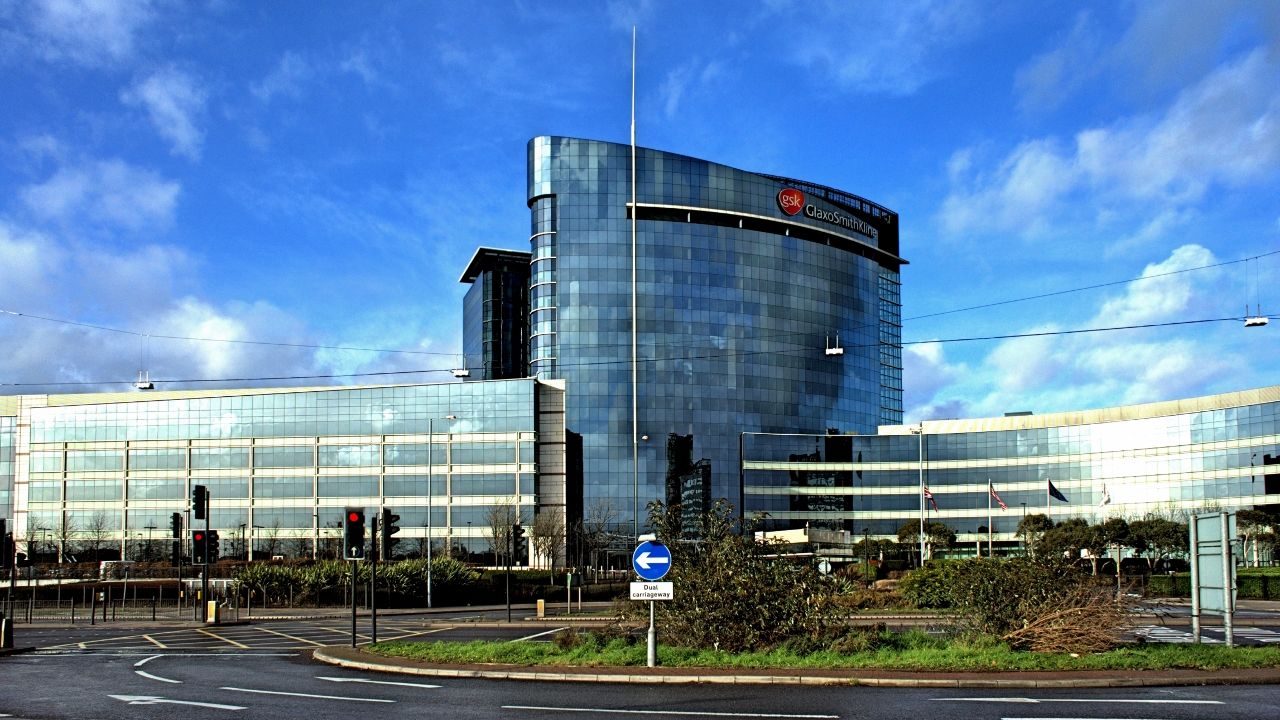
Form 6K GSK plc For: 5 May – Image for illustrative purposes only (Image credits: upload.wikimedia.org)
Investors who watched their holdings in GSK plc plummet now seek accountability through a class action lawsuit claiming the pharmaceutical company concealed critical safety risks tied to its blockbuster heartburn drug Zantac.[1][2] The suit, centered on allegations of misleading statements about cancer-causing impurities, approaches a key milestone with a lead plaintiff deadline looming on May 5, 2026. This development underscores the persistent legal scrutiny facing one of the world’s largest drugmakers.
Roots of the Controversy
The case stems from revelations that Zantac, once a top-selling medication, degraded into NDMA – a probable carcinogen – under certain conditions, including when combined with foods.[1] Plaintiffs argue GSK and other defendants knew or should have known about these risks but failed to disclose them, inflating stock prices artificially. Regulators eventually prompted the drug’s withdrawal from markets worldwide.
Court filings detail how the company allegedly downplayed stability issues and ran tests showing elevated NDMA levels, yet public communications painted a different picture. This discrepancy, investors claim, led to significant financial losses when the truth emerged.[3]
Key Allegations in Detail
Defendants, including GSK, face accusations of misrepresenting Zantac’s safety profile to shareholders. Specific claims include omissions about high NDMA formation during manufacturing and storage, as well as inadequate responses to early warnings from scientists.[1] The complaint portrays a pattern of selective disclosure that propped up investor confidence until independent studies forced a reckoning.
- Zantac’s ranitidine molecule broke down into NDMA over time.
- GSK conducted internal tests confirming the issue but did not alert regulators promptly.
- Market withdrawals followed in 2020 after FDA alerts, triggering stock declines.
- Lawsuits proliferated, culminating in this federal class action.
These points form the backbone of arguments that GSK violated federal securities laws, exposing shareholders to undue risk.
GSK’s Defense and Broader Legal Battles
The company has consistently refuted claims of wrongdoing, maintaining that Zantac was safe as marketed and that any NDMA levels fell within acceptable limits at the time. GSK pointed to regulatory approvals spanning decades as evidence of compliance.[4] In related cases, courts dismissed similar suits, bolstering the firm’s position.
Yet GSK navigates a landscape of ongoing litigation. Separate probes into past practices, including a long-closed UK Serious Fraud Office investigation into commercial dealings, remind stakeholders of the company’s checkered history with authorities.[5] Recent Form 6-K filings with the SEC continue to update on such matters, reflecting GSK’s obligations as a foreign issuer.
What Lies Ahead for Investors
The May 5 deadline marks a pivotal moment: eligible shareholders can vie to represent the class, steering the litigation’s direction. Law firms urge affected parties to act swiftly, as courts typically appoint lead plaintiffs soon after.[2] Success could yield substantial recoveries, though outcomes remain uncertain given GSK’s track record of settlements and dismissals.
Broader implications ripple through the industry. Pharmaceutical firms now face heightened demands for transparency on drug stability, potentially reshaping disclosure practices. For GSK, resolution might clear hurdles for innovation in vaccines and specialty medicines, but prolonged battles could weigh on resources.
As the clock ticks toward May 5, this lawsuit tests GSK’s resilience amid demands for corporate accountability. Investors, from pension funds to individuals, await clarity on whether past oversights will exact a lasting toll – or fade into resolved chapters of regulatory evolution.