

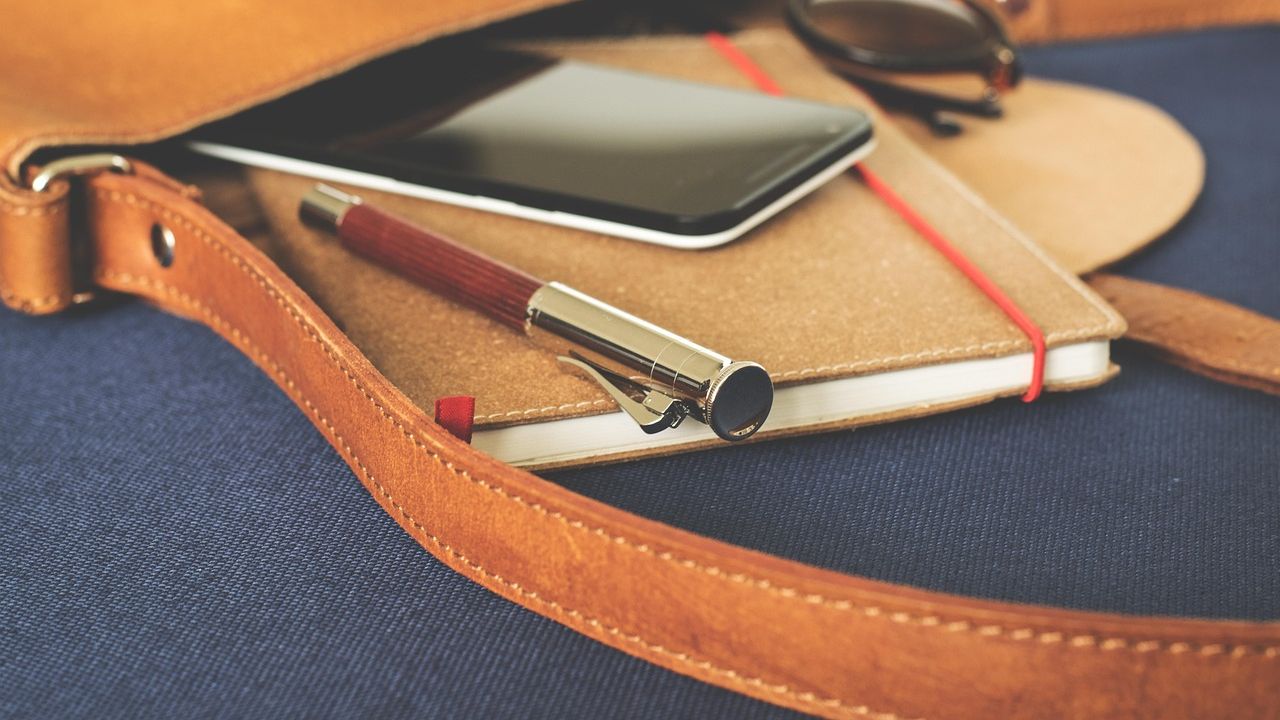
Dear Readers: Yes, pen pal programs still exist even in a digital world – Image for illustrative purposes only (Image credits: Pixabay)
Concord, N.H. – A New Hampshire writer recently journeyed 9,000 miles to New Zealand to deliver a pair of purple, lip-shaped sunglasses her pen pal had coveted since spotting them in a 1985 magazine. That simple act capped four decades of correspondence that began through a now-defunct youth agency. Despite emails, texts, and social media dominating communication, pen pal initiatives persist and even flourish, drawing fresh interest from younger generations craving slower, more tangible connections.
Decades-Old Friendships Defy Odds
Back in 1985, a 13-year-old New Zealand girl named Molly Nunns wrote her first aerogramme to a pen pal in snowy New Hampshire. The thin blue sheet doubled as letter and envelope, stamped and sealed with hopes of lasting friendship. Over years, their exchanges evolved from formal sign-offs like “Yours (hopefully)” to affectionate “Lots and lots of love,” filled with sketches, school crushes, and seasonal contrasts like summer Christmases.
Julie Delbridge discovered similar joys through International Pen Friends, joining as a teenager in 1979 from Australia. She connected with pals in over a dozen countries, sharing photos and treats during her parents’ divorce. The organization, now led by Delbridge, has matched more than 2 million people aged 8 to 80 over 59 years. Membership dipped in the late 1990s but rebounded during the pandemic, with recent upticks among those in their early 20s.
“It was a pastime that I totally immersed myself into in a positive way and gained a lot of enjoyment from,” Delbridge recalled. Such stories underscore how letters fostered non-judgmental bonds and diverse viewpoints long before instant messaging.
Pandemic Fuels a Letter-Writing Surge
Rachel Syme, a New Yorker staff writer, launched Penpalooza in 2020 amid COVID-19 isolation, attracting over 15,000 sign-ups. She continues matchmaking every few months, fielding hundreds of requests, plus inquiries at book events for her guide, “Syme’s Letter Writer – A Guide to Modern Correspondence.” Stationery shops buzz with buyers seeking analog escapes.
Younger people, raised on smartphones, find appeal in the deliberate pace. “People are very interested in physical, analog things right now,” Syme observed. “I think it really has an appeal especially to a younger generation who grew up with a phone glued to their hand, to do something that’s more tactile, slower, more intentional, more mindful, but also just disconnected from the internet in every way.”
Classrooms Rediscover the Power of Post
Educators increasingly integrate letter writing to build empathy and reflection. The U.S. Postal Service supplied materials to 25,000 elementary classrooms in 2021 for a nationwide project. In Texas, medical students run an anonymous program for peer support. At Villanova University, professor Kamran Javadizadeh mandates mailed letters in his “Letters, Texts, Twitter” class, despite classmates’ proximity.
“Something is lost when you have instantaneous communication,” Javadizadeh explained. “So I’m interested in the relationship between synchronous kinds of intimacy and asynchronous forms of intimacy.” At Kingsborough Community College, dean Gordon Alley-Young transformed case studies into letters, prompting students to offer empathetic responses rather than detached analyses. “We really want students to connect to what they’re looking at,” he said. “And letter writing encourages that.”
Blending Tradition with Tech Innovations
Not all modern pen pal experiences ditch paper entirely. The Slowly app, launched in 2017, delays digital messages from hours to days, simulating postal waits and prompting deeper thoughts. It has amassed 10 million users across 160 countries, mostly in their 20s and 30s. Cofounder JoJo Chan noted one user’s inspiration from grandparents’ tales: “Slowly offers a convenient way and a modern way for them to try that experience.”
| Traditional Pen Pals | Modern Adaptations |
|---|---|
| Aerogrammes and stamps | Delayed digital delivery |
| Weeks of anticipation | Apps like Slowly |
| Hand-drawn sketches | Scan-and-print archives |
Yet advocates like Syme champion the physical: tucking trinkets into envelopes, selecting pens and paper. Her book celebrates this “outdated extravagance,” but she stresses substance over frills. “That’s where I think it can get very real, very quickly,” she said. Even as postal services in places like Denmark halt home delivery and others cut days, the ritual endures.
Four decades after those first letters, the New Hampshire writer and Molly reunited multiple times, from New York to London and home visits. Handing over the sunglasses – and a printed volume of their scanned correspondence – sealed a bond immune to algorithms. In a world of fleeting pings, these handwritten threads remind us that some connections deepen with distance and time. More meetings await, promising “lots and lots of love.”