

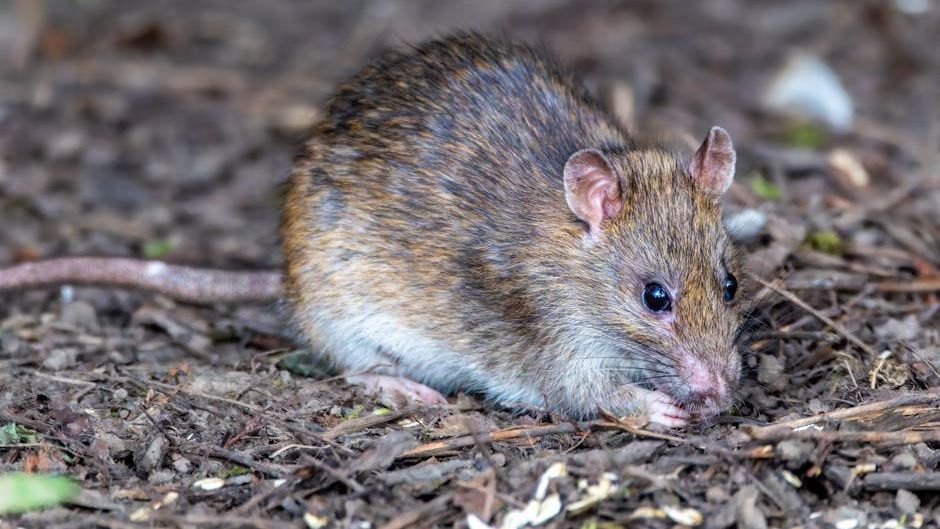
What to know about hantavirus, the illness suspected in a cruise ship outbreak – Image for illustrative purposes only (Image credits: Pexels)
A rare rodent-borne pathogen has emerged as the prime suspect in a cruise ship incident that resulted in three deaths and additional illnesses among passengers. Health authorities confirmed hantavirus in one victim, prompting detailed probes by the World Health Organization into the vessel’s environment and spread. This marks an unusual departure from the more common gastrointestinal outbreaks, like those from norovirus, that plague ships with their crowded, confined settings.
The Rarity of Hantavirus Aboard Ships
Cruise ships have long battled contagious bugs in their close-quarters confines, recording 23 gastrointestinal outbreaks at U.S. ports last year alone, most tied to norovirus. Yet hantavirus stands apart, rarely linked to such maritime settings. Experts note its primary reservoirs are rodents, not human crowds, making this outbreak a puzzle that demands scrutiny of potential onboard rodent activity or contaminated areas.
The vessel’s origin in Argentina adds intrigue, as certain South American hantavirus strains have shown limited person-to-person transmission potential. Researchers anticipate that forthcoming lab results and epidemiological tracing will clarify the chain of events.
Transmission Tied to Rodent Contact
Hantavirus primarily spreads through inhalation of airborne particles from infected rodent urine, droppings, or saliva, often stirred up during cleaning of neglected spaces like cabins, sheds, or homes. Exposure typically occurs in rural or enclosed areas with poor ventilation, where mouse infestations thrive. In the U.S., cases cluster in western states such as New Mexico and Arizona, hotspots for human-rodent interactions.
Person-to-person spread remains exceptional, though documented in isolated instances with specific strains. The 1993 Four Corners outbreak first alerted U.S. health officials to the virus after a cluster of young, healthy patients succumbed rapidly, thanks to an observant physician in the Indian Health Service.
From Flu-Like Onset to Life-Threatening Crisis
Infections often mimic the flu at first, with fever, chills, muscle aches, and headaches appearing one to eight weeks post-exposure. “Early in the illness, you really may not be able to tell the difference between hantavirus and having the flu,” noted Dr. Sonja Bartolome of UT Southwestern Medical Center. Without prompt recognition, the disease escalates into hantavirus pulmonary syndrome, marked by chest tightness and fluid buildup in the lungs.
A related form, hemorrhagic fever with renal syndrome, brings bleeding, extreme fever, and kidney issues within one to two weeks. Fatality rates hover around 35% for pulmonary syndrome and 1% to 15% for the renal variant. The recent death of Betsy Arakawa, wife of actor Gene Hackman, from the virus in New Mexico underscored its potency even today. Pulmonologist Michelle Harkins of the University of New Mexico Health Sciences Center has tracked survivors and victims for years, highlighting persistent gaps in understanding severity variations.
Long-term studies reveal mysteries, such as why some cases stay mild while others prove fatal, and how the body mounts defenses. Rodent proximity emerges as the consistent trigger across patterns.
Treatment Gaps and Proven Prevention Steps
No targeted antiviral exists, leaving early hospitalization as the main hope for survival through supportive care like oxygen and fluids. Public health campaigns stress avoidance over cure, urging minimal rodent contact.
- Wear protective gloves and use a bleach solution for cleanup.
- Avoid sweeping or vacuuming droppings, which aerosolizes particles.
- Ventilate enclosed spaces thoroughly before entering.
- Seal homes against rodent entry in high-risk areas.
Global Variants and Lessons from the Outbreak
Hantaviruses form a diverse family, with strains tailored to regions from Asia to Europe and the Americas. Most resist human-to-human jumps, except possibly one in South America now under the microscope due to the cruise’s itinerary. “My guess is we’re going to learn a lot from this,” said Angela Luis, a hantavirus expert at the University of Montana.
A definitive probe could resolve debates on transmission and inform safeguards for travel and beyond. As investigations unfold, this episode serves as a reminder of nature’s overlooked threats in unexpected places, urging vigilance wherever rodents lurk.