

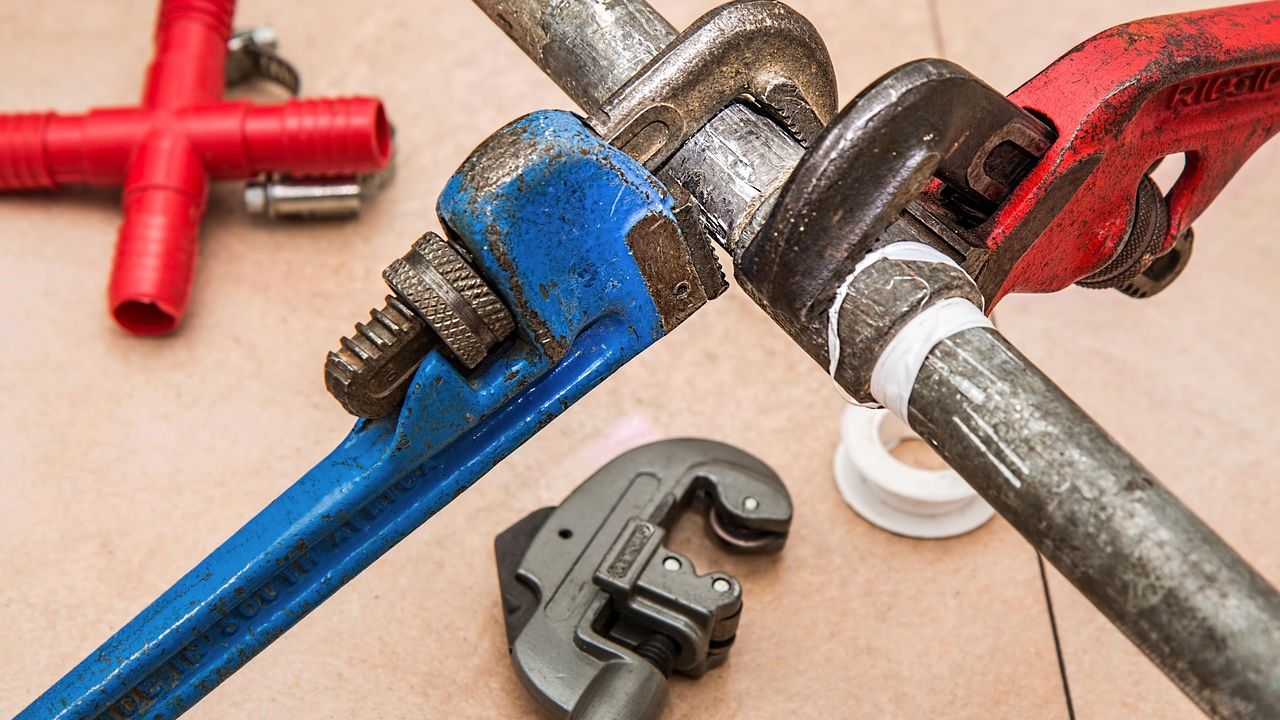
What Home Repair Programs May Cover for Seniors – Image for illustrative purposes only (Image credits: Pixabay)
Programs designed to assist seniors with home repairs consistently emphasize fixes that protect health, ensure safety, and maintain basic habitability. Funds rarely extend to aesthetic enhancements or expansive upgrades, directing resources instead toward urgent necessities like leaking roofs or faulty heating. This targeted approach helps stretch limited budgets to serve the greatest needs among older homeowners.
Defining Eligible Repairs
Home repair initiatives for seniors evaluate requests based on clear categories. Assistance typically targets issues tied to physical dangers, energy inefficiency, mobility barriers, or essential living standards. For instance, a hazardous electrical setup or absent heating system often qualifies, while fresh cabinetry does not.
Applicants face varying eligibility hurdles, including income thresholds, geographic restrictions, and funding availability. Programs conduct inspections and impose waitlists, underscoring the need for precise matching between the repair and the program’s mission. Full replacements prove more challenging than targeted interventions, such as patching a critical roof leak.
Repairs That Frequently Qualify
Unsafe conditions top the list of supported fixes. Roof leaks risking structural damage or mold growth draw attention from local housing offices and rural development agencies. Similarly, nonfunctional furnaces prompt action through energy crisis aid or efficiency upgrades.
Accessibility modifications rank high for those with mobility challenges. Ramps, grab bars, and bathroom adaptations often find backing from aging services or veteran programs, provided medical documentation supports the necessity. Energy-related work, including insulation and duct sealing, follows audits to confirm efficiency gains alongside safety benefits.
Plumbing failures and septic issues also merit consideration when they threaten sanitation or cause water damage. Disaster aftermath, from storms to floods, opens doors to specialized recovery funds, though only for declared events affecting primary residences.
Overview of Major Assistance Programs
Several established programs address distinct repair needs, each with tailored scopes and audiences. Rural Development’s Section 504 initiative aids very-low-income homeowners aged 62 and older in removing hazards or modernizing dwellings. Weatherization efforts concentrate on audits leading to insulation, sealing, and heating assessments for low-income households.
| Program | Primary Coverage | Typical Recipients | Key Limitations |
|---|---|---|---|
| USDA Section 504 | Health/safety hazards, basic improvements | Rural, very-low-income seniors 62+ | Rural eligibility only; grants for non-repayable cases |
| Weatherization Assistance | Insulation, air sealing, energy safety checks | Low-income households, some renters | Audit-driven; no general remodels |
| Local Repair Programs | Emergency fixes, code compliance, accessibility | Low/moderate-income local owners | Funds fluctuate; area-specific |
| FEMA Individual Assistance | Disaster basics for primary homes | Declared disaster survivors | Uninsured gaps only; no pre-existing issues |
| Medicaid/VA/Nonprofits | Ramps, grab bars, medical adaptations | Qualified disabled/veterans/seniors | Proof required; waitlists common |
Local and nonprofit options fill gaps, offering volunteer labor for critical tasks. State Medicaid waivers and veteran services extend to functional home changes, though rules differ widely.
Effective Strategies for Pursuit
Seniors increase success by pinpointing the issue upfront rather than seeking generic grants. Contact points vary: dial 211 or housing offices for immediate dangers, rural agencies for countryside homes, or energy providers for drafts and high bills. Framing requests around “emergency safety repair” or “accessibility modification” aligns with program language.
- Collect identity proofs like IDs or Medicare cards.
- Gather ownership documents, income statements, and repair evidence via photos or estimates.
- Include medical notes for mobility aids and disaster records for event-linked damage.
Audits precede many energy works, while permits accompany electrical or structural jobs. Secure approvals before contractors begin, as reimbursements rarely follow premature starts.
Addressing Rejections and Missteps
Denials often stem from mismatches, such as labeling a full remodel as essential. Cosmetic requests, like kitchen overhauls or landscaping, consistently fall short unless harboring hidden hazards. Outdated funds or ineligible locations prompt pivots to alternatives like loans or charities.
Probe denial specifics: inquire about missing proofs, income calculations, or suitable referrals. Common errors include commencing work early, overlooking local options, or applying owner programs to rentals without landlord buy-in. Reframing – shifting from “new bathroom” to “fall-prevention grab bars” – frequently unlocks paths.
Persistent seekers explore phased fixes or hybrid funding. Legal aid assists with title or permission snags. Patience yields results, as programs evolve with fresh allocations.
By aligning needs with these focused channels, seniors safeguard homes without chasing unlikely windfalls. Critical repairs gain traction, fostering secure aging in familiar spaces amid shifting resources.