

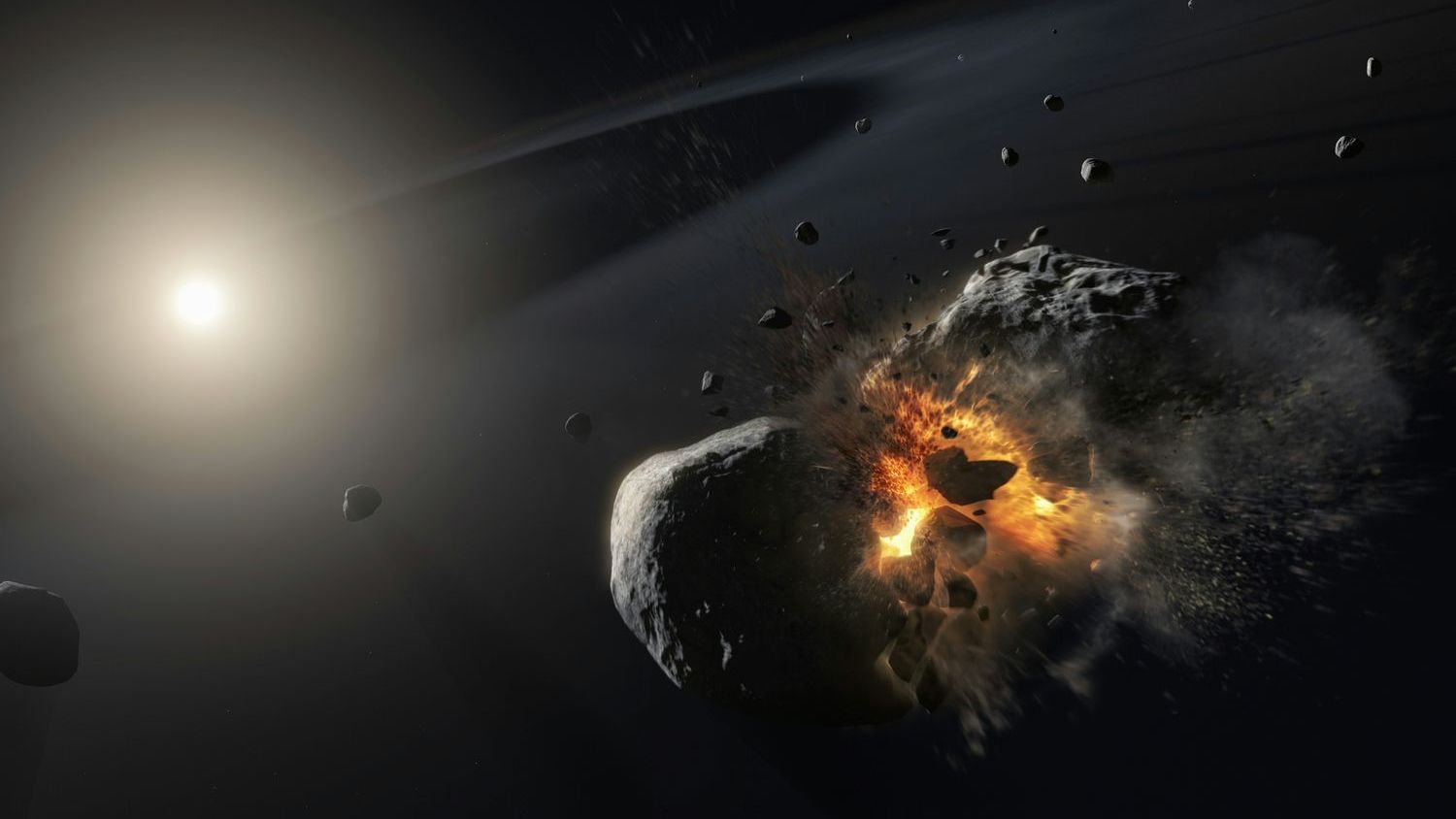
NASA’s Hubble reveals a giant chaotic planet nursery unlike anything seen before – Image for illustrative purposes only (Image credits: Unsplash)
Observations from the Hubble Space Telescope have brought astronomers face to face with a planet-forming environment that challenges existing models of how solar systems come together. The structure, large enough to supply material for several giant planets at once, shows clear signs of instability and imbalance that set it apart from previously studied disks. This finding adds a new layer to ongoing efforts to trace the earliest stages of planetary growth and to understand why some systems end up with massive worlds while others do not.
A Nickname That Captures the Unexpected
The disk earned its informal label because of its striking appearance in the Hubble images. One side rises in tall, thread-like filaments while the opposite side remains comparatively smooth and subdued. Astronomers chose the name to reflect both the dramatic visual contrast and the sense that the region feels almost alive with motion.
Such asymmetry is rare in the catalog of known planet-forming disks. Most examples appear more symmetrical when viewed from Earth, which makes this object a useful test case for theories that assume even distribution of gas and dust. The nickname has already helped draw wider attention to the data among both researchers and the public.
What the Images Actually Show
The disk stretches across a region that contains far more raw material than typical examples. Filaments extend outward on one side only, creating a lopsided profile that suggests strong internal forces at work. These features appear turbulent, with material moving in ways that could stir up the disk and influence how solid bodies begin to form.
Because the structure is viewed at an angle that reveals its full extent, astronomers can measure the height and density of the filaments directly. The data indicate that the disk remains in an active phase, with gas and dust still settling and interacting rather than having reached a stable configuration.
Why This Matters for Giant-Planet Formation
Enough material exists within the disk to assemble multiple planets the size of Jupiter or larger. The turbulence and uneven layout could either speed up or slow down the growth of such worlds, depending on how the filaments collapse or disperse over time. This range of possibilities gives researchers a live example of the conditions that may have shaped our own solar system billions of years ago.
Standard models often assume disks evolve in a more orderly fashion. The presence of strong one-sided features here suggests that chaotic episodes can occur without preventing planet formation altogether. Continued monitoring will help determine whether the current appearance is a temporary stage or a longer-lasting trait of this particular system.
Next Steps for Observers
Teams are already planning follow-up observations with both Hubble and other facilities to track changes in the disk over the coming years. Key questions include how quickly the filaments move and whether new structures appear on the currently quieter side.
- Measure the speed and direction of gas flows within the filaments
- Search for signs of dust clumping that could mark the start of planet cores
- Compare the disk’s mass and temperature profile with computer simulations
- Look for similar objects in other star-forming regions to gauge how common the asymmetry may be
Each of these steps will refine the picture of how planets emerge from such dynamic surroundings.
Broader Questions That Remain Open
The discovery leaves several uncertainties that future data must address. It is still unclear whether the lopsided shape will persist long enough to affect the final architecture of any planets that form, or whether the disk will gradually become more balanced. The exact role of external influences, such as nearby stars or magnetic fields, also needs clarification.
Resolving these points will help place the object in context with the thousands of other planetary systems now known. In the meantime, the images serve as a reminder that the birth of planets can involve far more disorder than earlier observations suggested.