

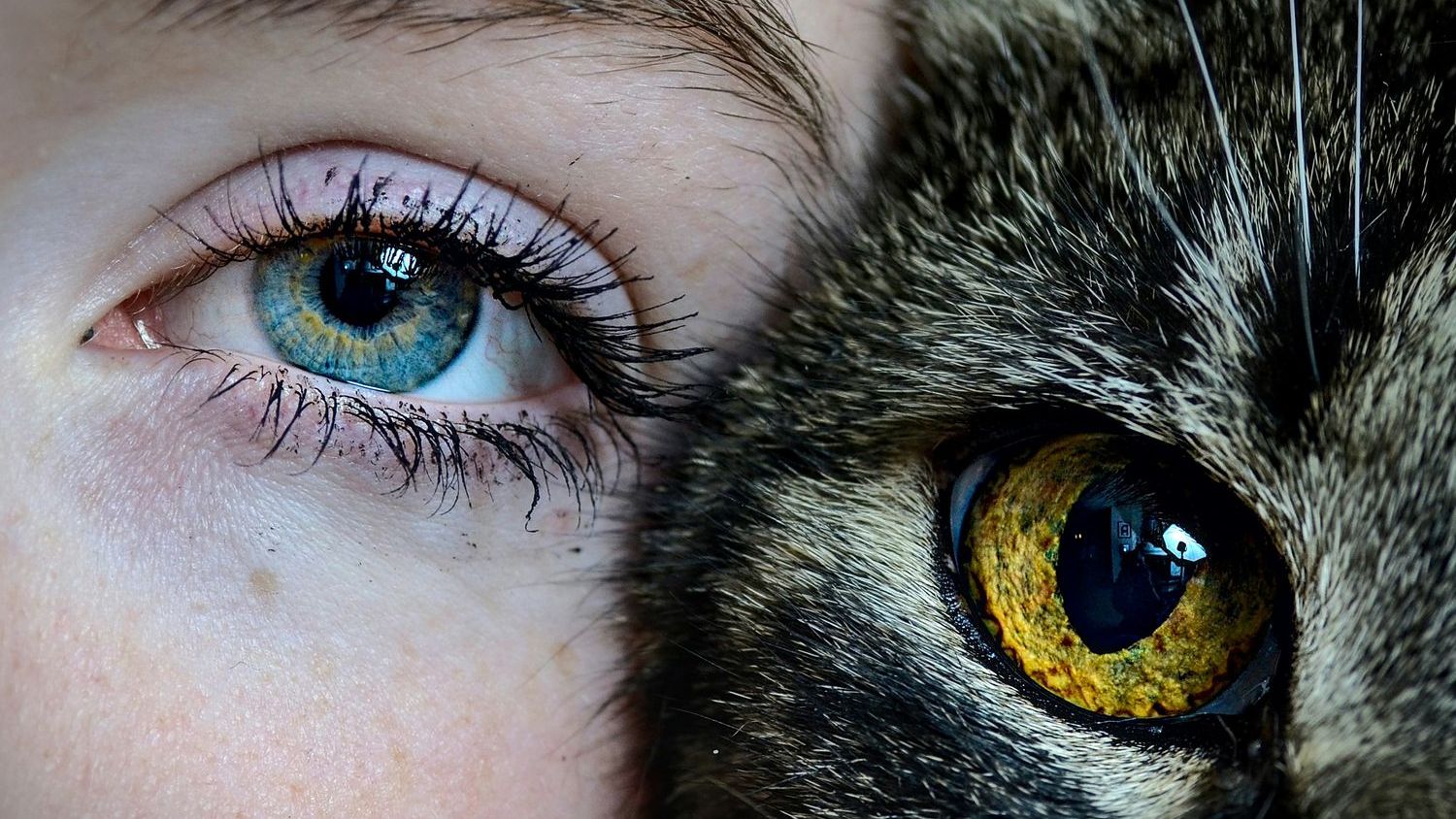
Are we more closely related to cats or dogs? – Image for illustrative purposes only (Image credits: Unsplash)
Evolutionary questions about our closest animal companions often spark lively discussions among pet owners and scientists alike. At first glance, cats and dogs appear equally distant from humans on the tree of life, both belonging to the carnivore order that split from our primate lineage tens of millions of years ago. Yet closer examination of genetic data reveals a nuanced picture that challenges simple assumptions about relatedness.
Phylogenetic Ties Place Them on Equal Footing
From a strictly evolutionary standpoint, humans sit at the same distance from cats as from dogs. Both species trace their ancestry to a common carnivoran ancestor that lived roughly 50 to 65 million years ago, long after the primate line had already diverged. This shared history means neither animal holds a closer phylogenetic position to people than the other. The broader mammalian family tree reinforces this balance. Humans belong to the Euarchontoglires group, which also includes rodents, while cats and dogs fall under Laurasiatheria. The split between these two major placental mammal branches occurred around 90 to 100 million years ago, placing both pets on symmetric branches relative to our own.
Genetic Data Tilts the Scale Toward Cats
When researchers compare actual DNA sequences rather than branching order, a different pattern emerges. Humans and cats share approximately 90 percent of their genetic material, while the figure for humans and dogs hovers around 84 percent. These percentages reflect not just raw similarity but also how chromosomes are organized and preserved across generations. Genome structure adds another layer. Cat chromosomes have undergone fewer large-scale rearrangements than those of dogs or mice, making feline DNA a closer structural match to the human blueprint. This organizational similarity has drawn attention from geneticists seeking better animal models for studying human diseases.
What the Numbers Mean in Practice
The modest edge in DNA overlap with cats carries practical weight for medical research. Scientists have noted that feline genomes align more closely with ours in key regions linked to certain inherited conditions, potentially offering clearer insights than canine counterparts in some cases. Still, both species remain valuable for comparative studies. Dogs excel in areas such as cancer research and behavioral genetics, while cats provide advantages in modeling metabolic and neurological disorders. The choice often depends on the specific trait under investigation rather than overall relatedness scores. – Cats: ~90% DNA shared with humans
– Dogs: ~84% DNA shared with humans
– Mice: ~85% DNA shared with humans (for reference)
Looking Ahead in Evolutionary Understanding
These findings underscore how different lenses – phylogenetic trees versus sequence comparisons – can yield complementary rather than contradictory answers. As sequencing technology improves, finer details about regulatory genes and non-coding regions may further refine our view of these relationships. For now, the data simply remind us that closeness in biology rarely reduces to a single metric. Whether one favors cats or dogs as companions, both continue to illuminate the intricate web connecting all mammals.