

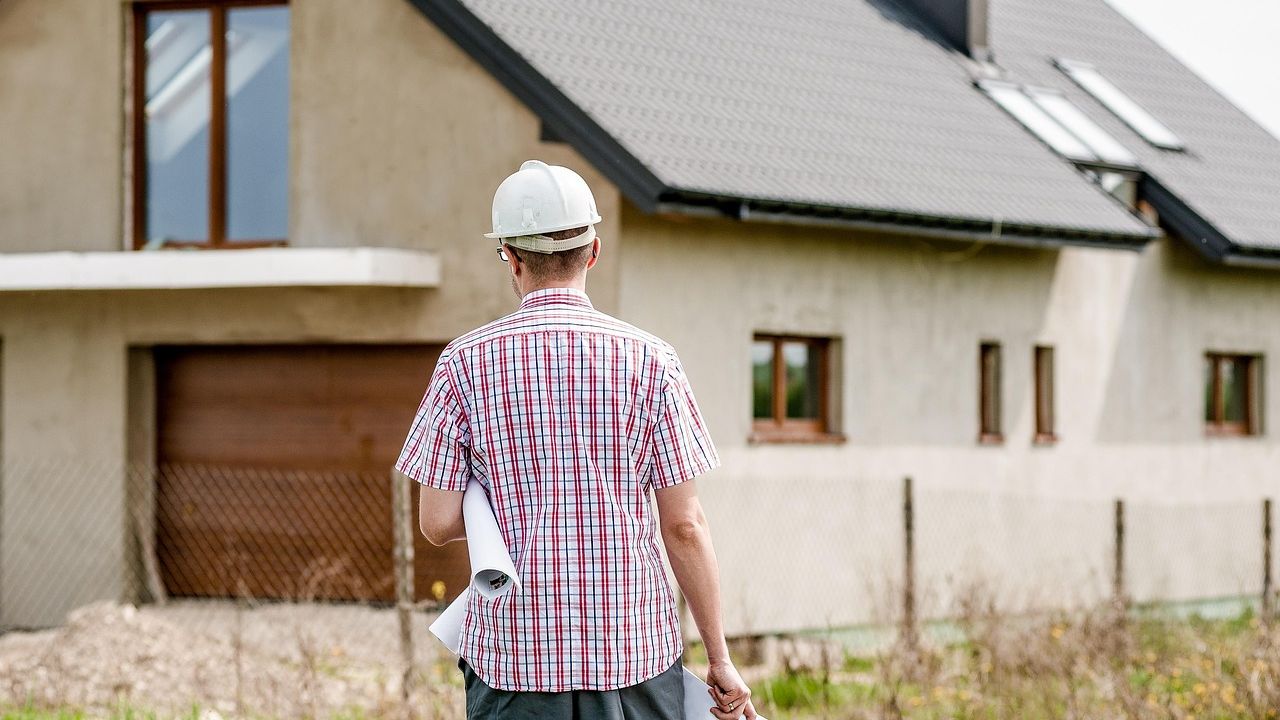
Home Repair Help for Seniors in Indiana: 2026 Roof, HVAC, Ramp and Safety Guide – Image for illustrative purposes only (Image credits: Pixabay)
In older homes across Indiana, where harsh winters strain furnaces and summer storms batter roofs, many seniors face mounting repair needs that threaten comfort and safety. Local resources stand ready to assist, though navigating them requires knowing the right first steps amid varying eligibility rules and funding cycles. This guide outlines practical paths forward, emphasizing community-based support tailored to the state’s unique landscape of programs.
Quickest Contacts for Immediate Guidance
Seniors seeking home repair help should begin with accessible local touchpoints rather than distant state offices. Indiana 211 connects callers to ZIP code-specific referrals for repairs, weatherization, and accessibility modifications. Community Action Agencies often serve as hubs for energy assistance and initial screenings, while Area Agencies on Aging focus on safety adaptations like ramps and grab bars.
City or county housing offices handle many owner-occupied rehabilitation efforts funded through state channels. These entities check factors such as income, property ownership, tax status, insurance, and inspections before approving work. A structured approach prevents wasted time: dial 211 first, then target your county’s Community Action or aging services, followed by local housing authorities.
Addressing Urgent Repairs Head-On
When crises strike – such as a leaking roof, failed heating, sewage issues, or exposed wiring – immediate action prioritizes safety over program applications. Emergency services handle fires, gas leaks, or structural collapses, but repair funding follows through local channels. City or county offices often cover health and safety fixes via dedicated funds, requiring proof of residency and ownership.
For heating failures, utilities and Community Action Agencies provide crisis aid, though Indiana’s Energy Assistance Program accepted applications only until April 20, 2026, with the next cycle anticipated in fall. Roof leaks and plumbing backups qualify under some emergency rehab programs, but expect inspections and contractor bids. A sample inquiry script proves effective: identify as a senior homeowner, describe the issue precisely, and ask about open emergency or CDBG-funded options, including required documents like taxes or deeds.
State and Federal Programs: Core Options Explored
Indiana channels much repair aid through state initiatives delivered locally, creating a patchwork of opportunities by county. The Owner Occupied Rehabilitation Grant, administered via the Office of Community and Rural Affairs, supports roofs, HVAC systems, water heaters, electrical upgrades, and accessibility features; applications route through municipal programs rather than the state directly. Healthy Homes targets hazards like lead, radon, mold, structural weaknesses, and pests, prioritizing older adults and those with disabilities, though manufactured homes typically fall outside eligibility.
Energy-focused efforts include the Weatherization program, which addresses insulation gaps, drafts, duct issues, and heating repairs through Community Action providers – free for qualifying households but excluding roofs or windows in most cases. The Indiana Energy Saver portal rebates efficient upgrades like heat pumps and air sealing via approved contractors. Federally, USDA Section 504 aids rural very-low-income seniors aged 62 and older with grants up to $10,000 or loans to $40,000 for safety removals, contingent on rural eligibility and repayment ability.
These programs demand preparation: gather photos of damage, income proofs, utility bills, and medical notes for accessibility needs. Deferrals occur if underlying hazards like moisture or pests block weatherization, prompting referrals to Healthy Homes or local rehab. Veterans access VA HISA grants for medical adaptations, capped at $2,000 to $6,800 lifetime, while disability-linked requests benefit from doctor documentation routed via aging agencies.
- Weatherization script: Detail symptoms like high bills or broken furnaces and inquire about deferral fixes.
- USDA script: Confirm rural status, age, and income fit for grants or loans.
- Local rehab script: Verify address eligibility, current openings, and lien details.
Local, Nonprofit, and Specialized Support
Cities like Indianapolis, South Bend, Bloomington, Evansville, Fort Wayne, and Lafayette run targeted programs for emergencies, roofs, and HVAC, often with income caps and geographic limits – South Bend’s 2026 round, for instance, closed by early May. Nonprofits such as Habitat for Humanity affiliates and Rebuilding Together chapters tackle ramps, minor electrical, and porch repairs, varying by county capacity. Churches, township trustees, and disability groups fill gaps for small safety projects.
Veterans start with county service officers for VA referrals, while disabled seniors leverage AAAs for CHOICE program links or Medicaid waivers. Mobile home dwellers face exclusions in some efforts, so confirm land ownership or leasing status upfront. Indiana 211 and aging hotlines like 1-800-713-9023 streamline these connections.
– Compile documents: ID, deed, taxes, insurance, bills, photos.
– Log calls with dates and follow-ups.
– Seek counseling for title or tax hurdles.
Navigating Denials, Scams, and Long-Term Stability
Rejections often stem from closed funding, ineligible addresses, or uncovered repairs – probe reasons and alternatives like waitlists or referrals. Post-storm scams surge, with door-to-door pitches demanding upfront cash; verify contractors, secure permits, and contact insurers independently. State consumer protection handles complaints, and programs dictate contractor choices.
Success hinges on persistence and documentation. While no single statewide grant exists for all seniors, layered local and state supports enable many to age safely in place. Confirm details directly, as rules evolve with funding.