

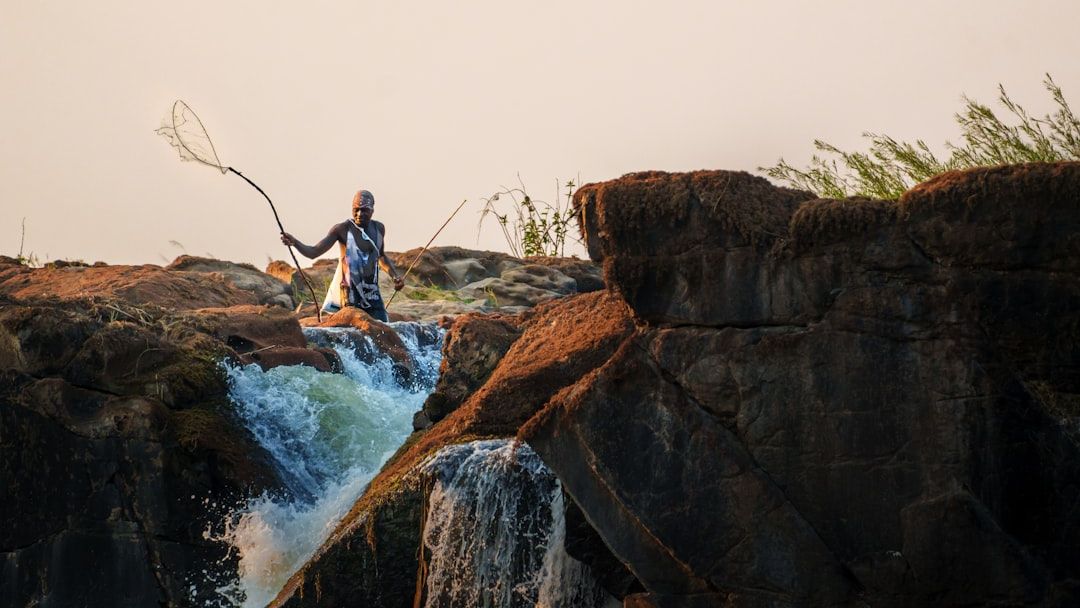
The River Is Telling Us Something: Indigenous-Led Water Monitoring as Canada’s Climate Early Warning System – Image for illustrative purposes only (Image credits: Unsplash)
Indigenous communities across Canada have long treated rivers and lakes as living relatives whose subtle shifts carry meaning. These observations, passed through generations, now form some of the continent’s most sensitive records of environmental change. Formal science has begun to confirm patterns that Elders noticed years earlier, particularly in remote northern wetlands.
Traditional Knowledge Detects Shifts First
In the Peace-Athabasca Delta, Dene and Cree residents tracked declining summer water levels and altered ice break-up patterns long before government instruments recorded the same trends. Elders described once-reliable navigation routes becoming too shallow for boats and noted that dramatic ice break-ups had given way to quiet melting. These accounts align with later measurements showing measurable reductions in flow and changes in ice conditions.
The delta holds international ecological importance, yet its remote location left gaps in official data collection. Community members filled those gaps through daily presence on the water, noticing variations in depth, quality, and seasonal timing that instruments alone often overlook.
Community Programs Combine Observation and Equipment
Networks such as Keepers of the Water coordinate Indigenous-led efforts across the Arctic Drainage Basin. Participants pair Elder knowledge with portable sensors that record oxygen levels, salinity, temperature, and acidity. In the Inuvialuit Settlement Region, communities near Sachs Harbour and Ulukhaktok have gathered consistent water-quality readings since 2019, creating datasets for areas previously lacking regular coverage.
These programs operate on local ownership, allowing monitors to respond quickly to unusual conditions. The resulting information reflects both cultural understanding and technical precision, producing records that reflect lived experience rather than isolated sampling events.
Federal Support Expands Reach
The Indigenous Community-Based Climate Monitoring Program directs roughly eight million dollars annually to First Nations, Métis, and Inuit initiatives. Funds have enabled installation of hydrometric stations, floating buoys, and trail cameras that deliver real-time updates on water and ice conditions in the Peace-Athabasca Delta and elsewhere.
Researchers note that western Canada now faces more frequent severe droughts alongside heavier rainfall events. Indigenous monitoring networks supply early signals of these shifts because they operate year-round in the affected regions. Integration of this data into national planning remains limited, though the programs continue to generate information unavailable from southern laboratories.
Core elements of these efforts include:
- Generational observation of water behavior
- Portable sensors for continuous measurement
- Local control over data collection and interpretation
- Real-time alerts for navigation and safety
Knowledge Transfer Prepares Future Generations
Elders emphasize teaching water-related practices to children as practical preparation rather than cultural preservation alone. This approach treats monitoring as an ongoing responsibility that grows more urgent with changing conditions. Communities view the work as both a continuation of ancestral duties and a contribution to broader climate awareness.
The records produced by these programs offer Canada one of its most direct lines of sight into northern environmental trends. Respectful incorporation of the findings into policy decisions could strengthen national responses to water-related challenges.