

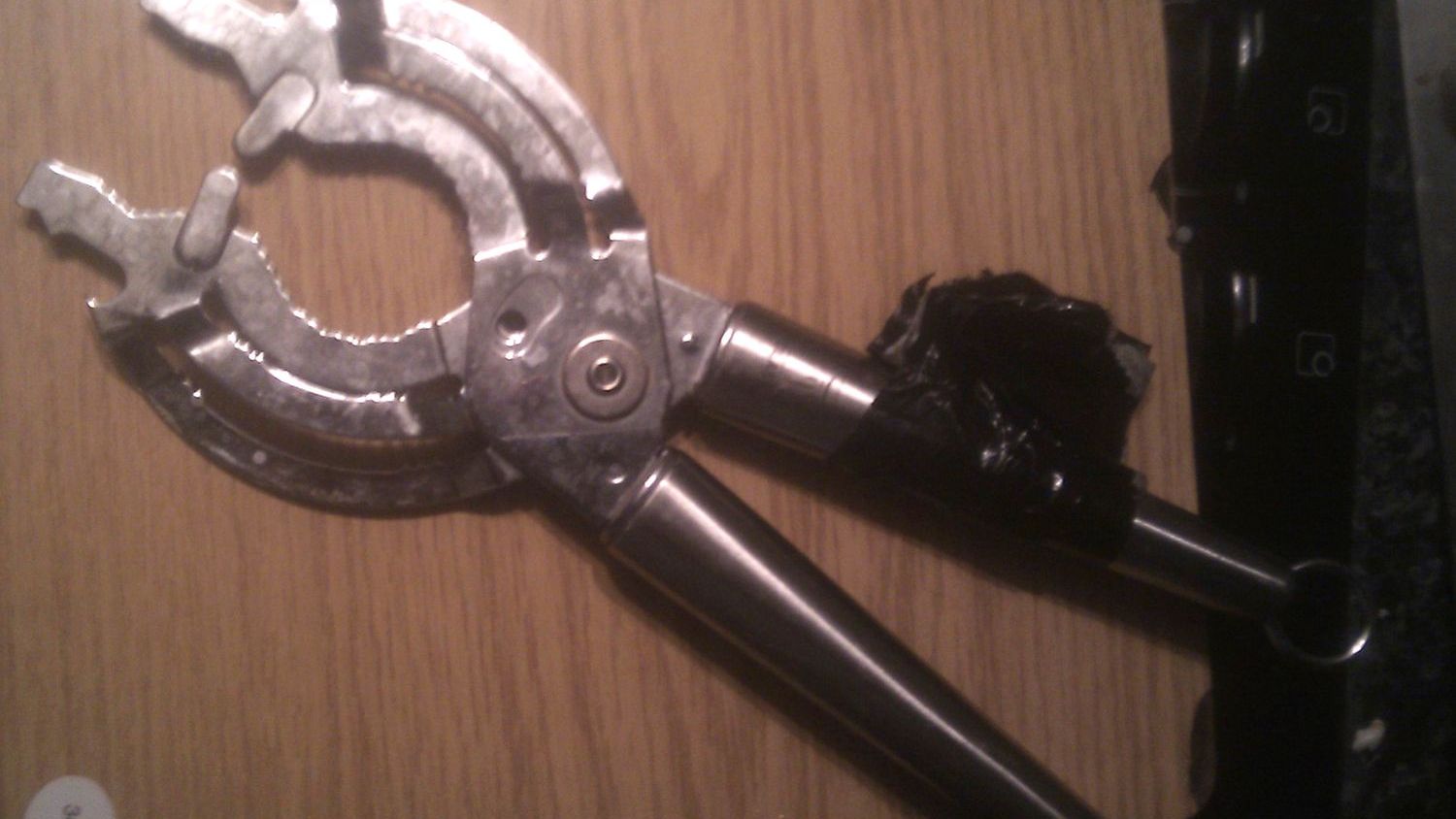
The Kitchen Gadget That Saves Arthritic Hands: Best Jar‑Openers for Seniors – Image for illustrative purposes only (Image credits: upload.wikimedia.org)
Loss of grip strength becomes common after age 60, turning everyday tasks like opening a pickle jar into sources of pain or even injury risk. Many older adults living alone hesitate to ask for help, which can lead to overexertion and potential falls. Simple kitchen gadgets now address these issues by reducing the twisting force required and providing better leverage. These tools allow seniors to maintain their routines without straining joints or relying on others.
The Growing Challenge of Hand Strength in Later Years
Arthritis and natural aging often reduce the ability to grip and twist firmly. Experts observe that repeated motions can worsen inflammation and limit mobility over time. Even basic food preparation becomes tiring when lids refuse to budge. Seniors frequently improvise with risky methods, such as tapping jars on counters, which can cause slips or wrist strain.
Without assistance, these struggles sometimes discourage cooking altogether. The result is greater dependence on pre-packaged meals or outside help. Devices designed specifically for this purpose restore control by minimizing the physical demand on fingers and wrists. They also support continued independence in daily activities.
Electric Models That Remove the Need for Manual Twisting
Automatic electric openers stand out for users who want zero hand effort. One popular option clamps onto various jar sizes and activates with a single button press. The mechanism handles the rotation automatically, eliminating any twisting motion that could aggravate joints. Reviewers note that these units work reliably on both small spice jars and larger sauce containers.
Many seniors appreciate the hands-free design because it requires almost no grip strength at all. The device sits on the counter and operates steadily once positioned. This approach proves especially useful for those with severe arthritis or limited dexterity. Frequent cooks often find the convenience justifies the cost for regular use.
Compact Manual Openers That Fit Any Budget
For those seeking lower-cost solutions, manual openers with ergonomic grips provide effective alternatives. One well-regarded model features adjustable jaws that accommodate different lid diameters, from narrow bottles to wide pickle jars. Its soft handles distribute pressure evenly and reduce the force needed to turn. The compact size allows storage in a drawer without taking up counter space.
Users report that these tools offer solid performance without batteries or charging. They travel easily for vacations or RV trips. Seniors with milder symptoms often prefer this style because it gives them more direct control while still easing strain. The affordability makes it accessible for retirees managing fixed incomes.
Mounted Options Designed for One-Handed Operation
Under-cabinet openers provide a permanent solution for people who need to use only one hand. These units attach beneath kitchen cabinets and hold the jar lid securely while the user twists the container. The cabinet itself supplies the necessary leverage, bypassing the need for strong finger pressure. Installation takes minimal effort and leaves countertops clear.
Individuals recovering from surgery or managing coordination issues find these devices particularly helpful. Once in place, they require little maintenance and remain ready for immediate use. Many older adults describe them as tools they wish they had discovered sooner. The design supports safe, steady operation without risk of dropping the jar.
Ergonomic Designs That Balance Comfort and Control
Another category focuses on soft, oversized handles paired with non-slip bases. These openers cushion the hand and spread force across a wider area to protect sensitive joints. The stabilizing pad prevents jars from sliding during use. Durability stands out as a key advantage, with many models built to last through years of daily tasks.
Seniors who still enjoy active meal preparation often select this middle-ground option. It delivers noticeable relief compared with standard tools yet avoids the bulk of electric versions. The emphasis on accessibility makes these products popular among those prioritizing long-term joint health. Overall, the right choice depends on individual grip levels and kitchen habits.
| Type | Key Benefit | Best Suited For |
|---|---|---|
| Electric | Zero twisting required | Severe arthritis or frequent use |
| Manual ergonomic | Affordable and portable | Mild symptoms and budget-conscious users |
| Under-cabinet | One-handed operation | Limited dexterity or solo living |
| Soft-grip handheld | Balanced control and comfort | Active cooks seeking durability |
Selecting an appropriate opener can transform a frustrating chore into a manageable step. These gadgets support safer cooking practices and help older adults retain confidence in their own kitchens. Over time, reduced hand strain often leads to greater enjoyment of meal preparation. The investment in one reliable tool can contribute to sustained independence for years ahead.