

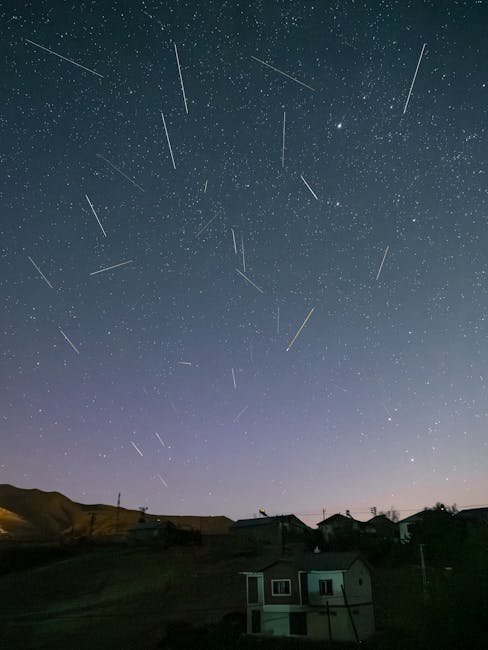
Understanding the Lyrids Phenomenon (Image Credits: Pexels)
The Lyrids meteor shower returns each spring, delivering swift streaks of light across the night sky. In 2026, the display peaks under ideal conditions with minimal moonlight interference, making it accessible even for those surrounded by urban glow.[1][2] City dwellers face light pollution, yet strategic planning allows glimpses of these ancient cosmic remnants. Patience and the right setup turn concrete jungles into viewing grounds.
Understanding the Lyrids Phenomenon
Records of the Lyrids date back over 2,700 years, marking it as one of the oldest observed meteor showers.[3] Earth passes through debris from Comet C/1861 G1 Thatcher, causing particles to burn up in the atmosphere at speeds up to 49 kilometers per second. Under dark skies, observers typically see 10 to 20 meteors per hour at peak.[4]
The radiant point lies near Vega in the Lyra constellation, rising in the northeast after midnight. Meteors appear to radiate from this spot but streak across a wide sky area. Northern Hemisphere viewers enjoy the best prospects, though faint displays reach southern latitudes.
Prime Viewing Window in 2026
The shower activates from April 14 to 30, with the strongest activity between April 21 and 22 nights.[5][6] Peak viewing occurs after midnight until dawn on April 22, when the radiant climbs high. A waxing crescent moon sets early, preserving dark hours for observation.[7]
Clear weather enhances chances, so check forecasts. No equipment beyond eyes works best; telescopes narrow the field and hinder spotting random streaks. Lie back in a reclining chair for comfort during extended watches.
Navigating Urban Light Pollution
City lights wash out fainter meteors, but elevated spots like rooftops or high parks minimize interference. Seek north-to-east horizons free of bright buildings. Travel to suburban edges if possible, prioritizing low horizon glow.[8]
Allow 30 to 40 minutes for eyes to dark-adapt; avoid screens or white lights beforehand. Position away from streetlamps, using shadows for shielding. Wide sky views, about 45 degrees from the radiant, yield most sightings since meteors scatter broadly.
- Scout locations days ahead via light pollution maps.
- Arrive early to settle in comfortably.
- Observe in short bursts to combat fatigue.
- Track sightings with a notebook or app.
- Share spots with local astronomy groups.
Capturing Fireballs with a Camera
A well-positioned camera extends urban viewing success, snaring bright fireballs luck misses by eye. Sturdy tripods anchor wide-angle lenses facing the radiant. Exposures of 10 to 30 seconds at high ISO capture trails amid city haze.[9][10]
Use manual focus on infinity; remote shutters prevent shakes. Stack multiple shots later for composites. Patience pays as rare bright events pierce the glow, rewarding setup efforts.
Key Takeaways
- Peak April 22 pre-dawn under moon-friendly skies for 10-20 meteors hourly.[2]
- Prioritize dark-adapted eyes and wide vistas over gear.
- Rooftops and shadows beat full city immersion.
The Lyrids remind urbanites that cosmic wonders persist beyond light domes. Simple preparation unlocks these fleeting spectacles, fostering connection to ancient skies. What urban spot will you claim for the show? Share your plans in the comments.