

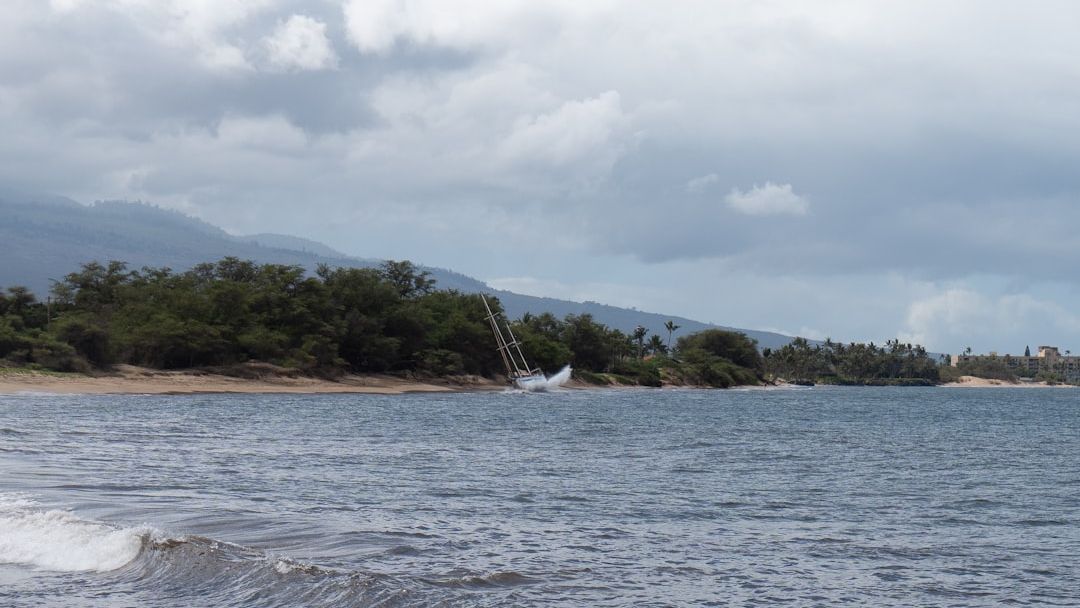
The long shadow of Maui’s wildfires – Image for illustrative purposes only (Image credits: Unsplash)
Maui – Three years after the wildfires swept across the island, many residents continue to confront deep emotional challenges that show no sign of easing. A therapist who has worked with survivors reports that a significant number of his patients still grapple with the mental health consequences of the disaster. These ongoing struggles underscore how the effects of such events reach far beyond the immediate physical damage and into the daily lives of those affected.
The Quiet Persistence of Trauma
Recovery from a major disaster rarely follows a straight line, and the Maui wildfires have proven no exception. While visible rebuilding efforts have advanced in some areas, the internal work of processing loss, displacement, and fear has proven slower and more complex for many. The therapist’s observations point to a pattern in which symptoms such as anxiety, grief, and difficulty concentrating remain active long after the flames were extinguished.
These mental health effects often surface in unexpected ways during routine activities or seasonal reminders of the event. Patients describe feeling unsettled by changes in weather or by news reports that echo the original crisis. Such responses illustrate how the disaster continues to shape emotional well-being even as time passes.
Barriers to Sustained Support
Access to consistent mental health care has emerged as a central concern for those still affected. Limited resources, competing demands of daily life, and the stigma sometimes attached to seeking help can delay or interrupt treatment. The therapist notes that many individuals require ongoing sessions rather than short-term interventions, yet systems are not always equipped to provide that continuity.
Community networks have stepped in to fill gaps where formal services fall short. Peer support groups and local outreach programs offer spaces for residents to share experiences without formal clinical settings. These efforts complement professional care but cannot fully replace it for those with more severe or persistent symptoms.
Why the Timeline Matters
Three years represents a critical juncture in disaster recovery, when initial emergency aid has typically ended and longer-term needs become clearer. The therapist’s account suggests that mental health demands have not diminished with time and may in fact require renewed attention. This extended horizon challenges assumptions that communities simply “move on” once the immediate crisis fades.
Recognizing these prolonged effects can inform how future disasters are approached from the outset. Planning that includes sustained mental health resources alongside physical rebuilding may help reduce the depth and duration of suffering. The situation in Maui serves as a reminder that the human recovery process often unfolds over years rather than months.