

Why Medicare Skips Dental, Vision, and Hearing – and What Fills the Gap – Image for illustrative purposes only (Image credits: Unsplash)
Millions of Americans enroll in Medicare expecting broad protection for common health needs in retirement. Instead, they encounter clear exclusions for routine dental care, vision correction, and hearing aids. These limits trace back to the program’s founding and continue to shape costs for older adults today.
Program Design Set the Exclusions Early
Congress created Medicare in 1965 with a focus on hospital stays and physician services under what became Parts A and B. Lawmakers at the time treated dental, vision, and hearing services as separate from core medical care. That framework carried forward even as medical understanding evolved to link oral health, eyesight, and hearing to broader wellness and fall prevention.
The structure remains largely unchanged. Original Medicare continues to exclude most routine services in these areas, leaving beneficiaries responsible for expenses that often increase with age.
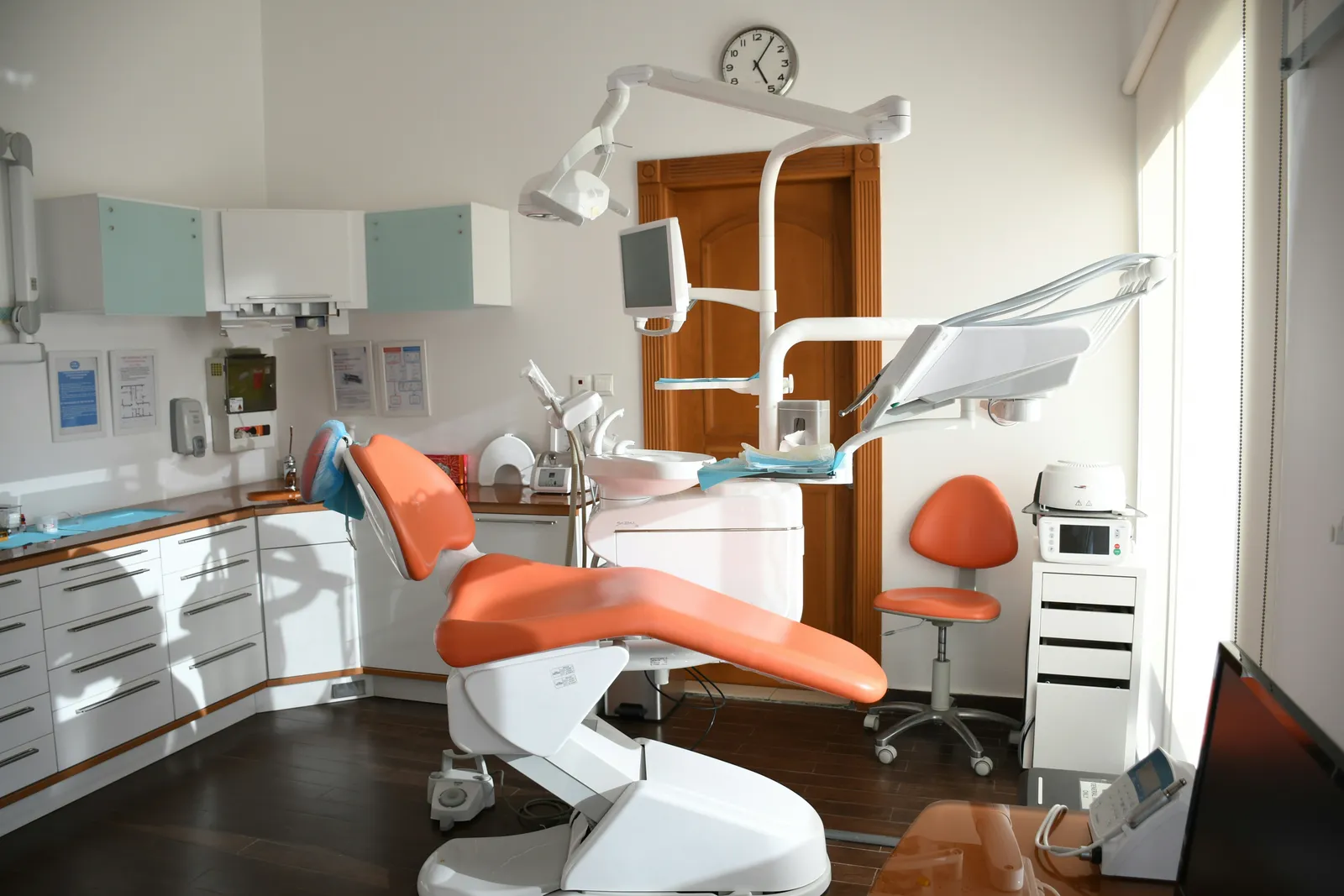
Dental Care Creates the Largest Financial Strain
Routine cleanings, fillings, dentures, and implants fall outside standard coverage. Medicare may cover limited dental work only when it ties directly to another approved medical procedure, such as certain cancer treatments or transplants. Most retirees therefore handle these costs themselves.
The absence of preventive dental benefits can lead to more serious issues later. Seniors often delay care until problems require emergency intervention, raising both health risks and total spending.
Vision Benefits Stay Tied to Specific Conditions
Medicare generally covers eye care connected to diseases such as diabetes, glaucoma, or cataracts. Routine exams for glasses or contacts, along with the cost of lenses and frames, remain the beneficiary’s responsibility. This distinction surprises many who assume annual vision checks qualify as covered services.
Clear vision supports mobility and independence. Without routine coverage, older adults may postpone updates to prescriptions, increasing the chance of accidents or reduced quality of life.
Hearing Services Stop Short of Devices
Part B can pay for diagnostic hearing tests ordered by a physician. Coverage ends there for most people. Hearing aids and related fittings represent a separate expense that can reach several thousand dollars per ear.
Research links untreated hearing loss to higher rates of isolation, cognitive changes, and falls. The financial barrier leaves many beneficiaries managing these consequences without assistance from Original Medicare.
Options That Address the Shortfalls
Retirees turn to several alternatives to manage these gaps. Medicare Advantage plans frequently add dental, vision, and hearing benefits, though annual caps and network rules apply. Standalone private policies offer targeted coverage for one or more of these services. Some individuals also qualify for Medicaid supplements or assistance through community clinics and nonprofit programs.
Reviewing these choices before enrollment helps align benefits with expected needs. Coverage details differ by location, insurer, and personal health profile, so comparison remains important.
What matters now: Retirees who examine supplemental options early can reduce unexpected costs and maintain better access to care as needs evolve.
Policy discussions about expanding these benefits continue, yet current enrollees must navigate the existing structure. Thoughtful planning around Medicare’s limits supports both financial stability and day-to-day well-being in later years.
AI Disclaimer: This article was created with the assistance of AI tools and reviewed by a human editor.