

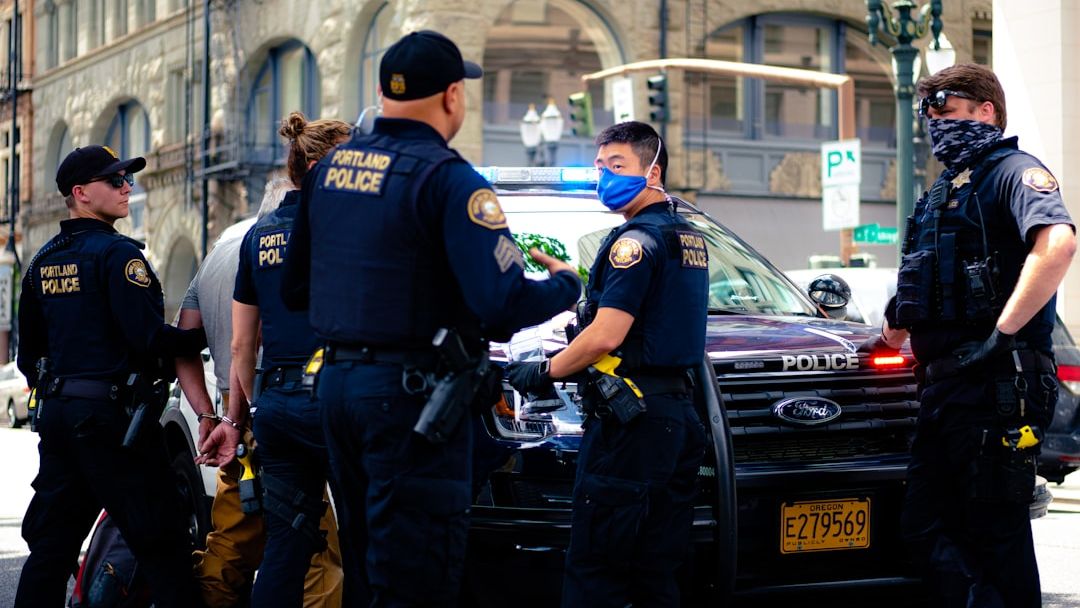
Michigan court says you don’t have a right to know who your cops are – Image for illustrative purposes only (Image credits: Unsplash)
Michigan – A state judge ruled Friday that residents hold no legal right to access the names and employment records of police officers. The decision from the Court of Claims upheld secrecy for such information held by policing regulators across the state. News organizations challenging the policy now prepare to fight back through an appeal.
A Clear Victory for Secrecy
Judge Christopher P. Yates delivered the ruling, determining that Michigan State Police could withhold these personnel details. The court found that exemptions in state law justified keeping current and former officers’ identities hidden from public view. This outcome stemmed from a legal challenge aimed at opening those records.
The decision applies statewide, affecting regulators who oversee law enforcement personnel. It reinforces barriers that have long protected such data from freedom of information requests. Critics argue this limits accountability, but the judge prioritized the exemptions outlined in existing statutes.
Challengers Push for Transparency
Detroit Metro Times and the Invisible Institute led the effort to unseal the records. These organizations sought the information to shed light on officers’ backgrounds and career paths. Their request targeted comprehensive data on officers throughout Michigan.
Both groups expressed determination to continue the battle. They plan to appeal Judge Yates’ decision to a higher court. This move signals ongoing resistance against what they see as excessive secrecy in policing oversight.
Legal Exemptions at the Core
The ruling hinged on specific exemptions within Michigan’s freedom of information laws. These provisions allow certain personnel records to remain confidential. State police invoked them successfully to block disclosure in this case.
Judges in similar disputes have weighed privacy against public interest before. Here, the court sided with protecting officers’ personal details over broader access. The exemptions cover not just active duty personnel but also those who have left the force.
Potential Ripple Effects
This decision could influence how other states handle police record requests. Michigan’s approach highlights tensions between officer privacy and community oversight. Watchdog groups worry it sets a precedent for reduced transparency nationwide.
Local journalism outlets like Metro Times often rely on such data for investigative work. Without it, tracking patterns in officer misconduct or transfers becomes harder. The appeal process may clarify boundaries for future requests.
As the case advances, it underscores a fundamental debate in American policing. How much secrecy serves public safety, and when does it hinder trust? The higher court’s response will shape access to these critical records for years to come.