


Most people think they need hundreds or thousands of dollars before they can start investing. That assumption has quietly kept a large share of the population parked in savings accounts, earning next to nothing on their money. Micro-investing flips that idea on its head entirely.
The premise is simple: small, consistent contributions to a diversified portfolio can compound over time into something genuinely meaningful. What’s changed recently is the speed at which this trend is growing, and the hard data emerging around how these small habits stack up against the traditional route of just keeping money in a bank.
The Market Behind the Movement Is Growing Fast

Micro-investing isn’t a niche experiment anymore. The global micro-investing platform market is expected to expand from USD 665.7 million in 2024 to USD 4.47 billion by 2034, growing at a compound annual growth rate of 21.0%. That kind of growth trajectory doesn’t happen by accident.
The micro-investing platform market is projected to expand from roughly $0.93 billion in 2025 to $1.1 billion in 2026, driven by increased smartphone usage, heightened retail participation in equity markets, and the evolution of digital banking ecosystems. The infrastructure is clearly maturing around this habit, not just the habit itself.
Traditional Savings Accounts Are Quietly Falling Behind

The national average savings account interest rate sits at just 0.39% APY as of February 2026, per FDIC data. For context, that means $1,000 sitting in a standard savings account earns less than $4 a year. It barely keeps pace with a cup of coffee, let alone inflation.
Savings rates still don’t match average returns for the stock market. If you’re saving for a long-term goal like retirement, a savings account probably isn’t the best place to put your money, since your balance won’t grow at a pace that will allow you to reach your target. The gap between saving and investing becomes more stark the longer you hold either position.
How $5 a Week Actually Adds Up

Five dollars a week sounds almost trivial. Over a full year, that’s $260. Over a decade of consistent contributions invested in a diversified portfolio, the story changes considerably. Starting investments early, even with smaller amounts, gives your money more time to grow and for the interest to compound.
Compound interest happens when your money earns returns on both your original amount and on the interest that’s already been added. This process allows your savings to grow faster over time compared with simple interest, because each period’s interest builds on the last. With stock market-linked micro-investing, that compounding happens on top of market-rate returns rather than sub-1% bank interest.
Savings Apps Are Already Proving the Behavioral Case

One of the hardest parts of personal finance isn’t knowledge; it’s behavior. According to a consumer study by Cornerstone Advisors, saving and investing apps like Acorns helped consumers save an average of $600 a year above their standard level of savings, and one in five users saved more than $1,000. That’s not a trivial lift for people who struggled to save at all before.
Micro-investing allows you to automatically allocate small amounts of money into a portfolio of stocks and bonds, even if you know nothing about investing. This fintech term applies to a handful of mobile-based platforms that make investing easy and painless. The automation element is what makes the habit stick for people who historically didn’t follow through.
Who Is Actually Using These Platforms
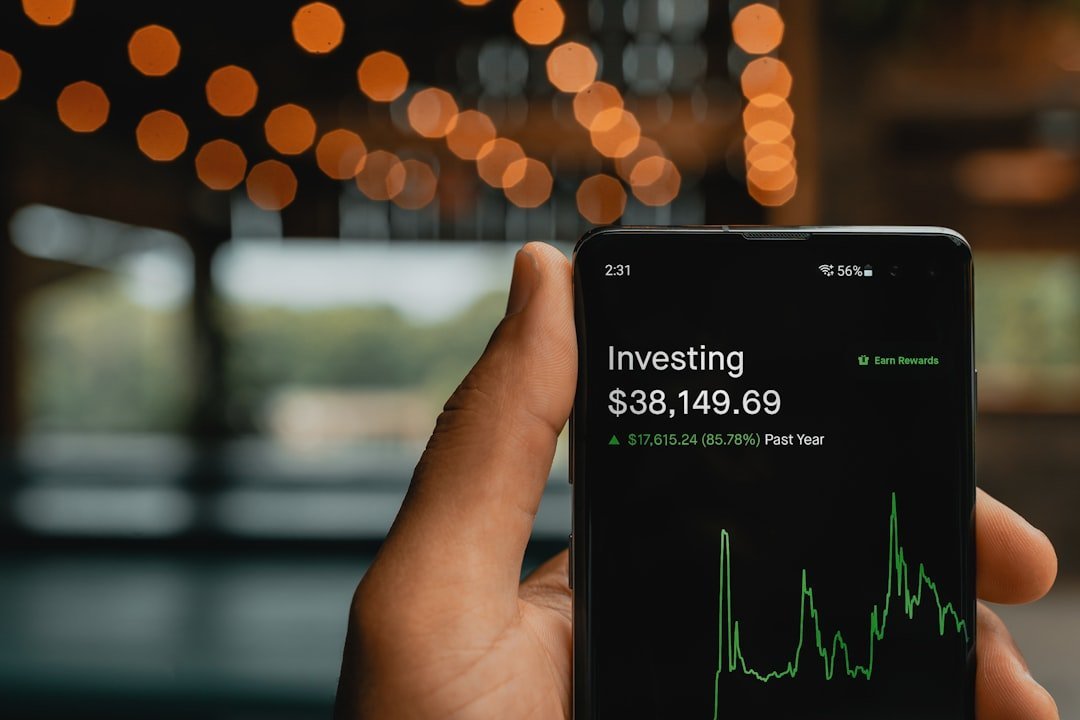
Millennials and Gen Z constitute the primary user base, driving demand for user-friendly interfaces and mobile-first solutions. These are demographics that came of age during the 2008 financial crisis or its aftermath, and many carry a built-in skepticism about traditional financial institutions.
The increasing accessibility of smartphones and internet connectivity has democratized investment opportunities, enabling individuals with limited capital to participate in the financial markets. In regions where traditional brokerage minimums once locked out younger or lower-income investors, these apps have opened a genuinely new door.
How the Apps Actually Work
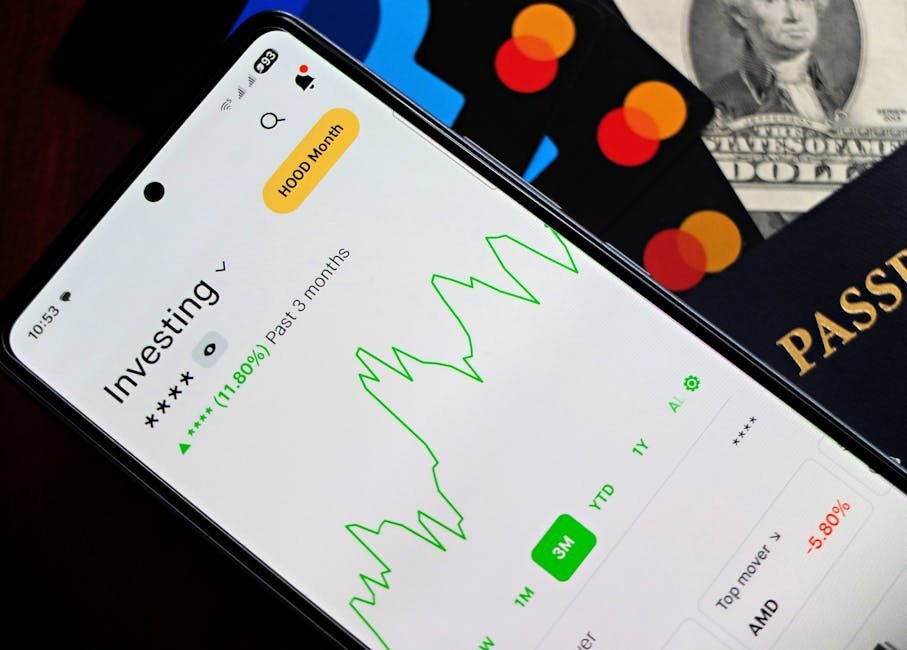
Common features micro-investing apps share include the ability to set up recurring transfers from your bank account to your investment account, the option to round up purchases and sweep the spare change into your investment account, and robo-advisors that select a portfolio of diversified investments tailored to your goals and risk tolerance.
Every time you buy something, Acorns rounds up the purchase to the nearest dollar and invests the difference. For example, if you spend $3.75 on coffee, Acorns invests $0.25. Multiply that across dozens of daily or weekly transactions and the contributions accumulate faster than most people expect.
The Fee Problem You Shouldn’t Ignore

Micro-investing isn’t without its friction. Micro-investing platforms like Acorns and Stash do charge monthly fees to users. On a small balance, a flat monthly fee can represent a disproportionately high percentage of your holdings, which erodes returns faster than many beginners realize.
Fees are high for accounts with low balances. Apps like Acorns and Stash advertise low fees, but getting charged $36 a year for a brokerage account isn’t a great deal. The math only starts working clearly in your favor once your balance grows to a point where the fee becomes a small fraction of your total assets. That’s worth tracking carefully, especially in the early months.
ESG and Sustainable Portfolios Are Adding a New Dimension

Micro-investing platforms are no longer limited to vanilla index fund allocations. According to 2024 data, sustainable micro-portfolios returned 9.2% versus 8.7% for standard portfolios. That difference may look small, but compounded over years it adds up to a meaningful gap in final balances.
Innovation in this sector focuses primarily on user experience enhancements, including gamification, automated investing tools, and fractional share trading, to attract and retain younger demographics. Many platforms now layer social and environmental impact scores directly into the user interface, giving people a reason to stay engaged beyond pure financial return.
AI and Automation Are Reshaping the Experience

The integration of automated investment features and AI-driven portfolio management tools is a significant trend in the market, enabling users to optimize their investments with minimal effort. This matters because the biggest risk in small-scale investing isn’t market volatility; it’s disengagement.
Technological advancements are at the forefront of this industry, with key players capitalizing on innovations like robo-advisory platforms to tailor investments and streamline user experiences. These platforms employ algorithms and AI for providing cost-effective, automated investment management. The less friction between intention and action, the more likely small habits are to become long-term ones.
What Micro-Investing Can and Cannot Replace

Honesty matters here. While micro-investing can be a great way to get started investing, especially if you’re young, it isn’t likely going to result in the kind of savings that will lead to an easy retirement. You’ll also need to save more to achieve that goal through retirement plans offered by your employer and contributing to tax-advantaged accounts like traditional and Roth IRAs.
Most financial advisors agree these apps should be just one small piece of your long-term financial picture. They aren’t intended to replace your emergency fund or make you a millionaire. The value is in the habit formation, the compounding over time, and the access to market returns that would otherwise be left sitting idle in low-yield savings. Used correctly, a $5 weekly habit isn’t a shortcut; it’s a foundation.
The real story of micro-investing isn’t about getting rich quickly on small change. It’s about the slow, compounding effect of doing something consistent when most people do nothing. In a financial environment where savings interest rates declined again in 2025 and are expected to fall further in 2026, the gap between passive saving and active micro-investing is only going to widen. Five dollars a week won’t retire you alone, but it might be the most important financial habit you build this decade.