

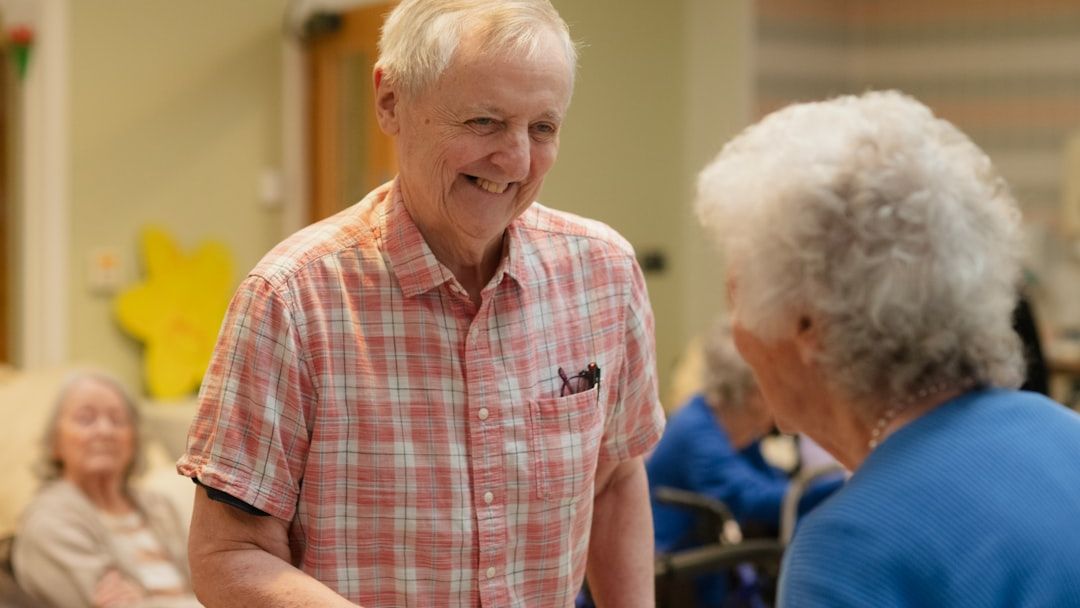
Local Charities Helping Seniors in Minnesota – Image for illustrative purposes only (Image credits: Unsplash)
Minnesota – As of early May 2026, older adults throughout the state continue to turn to community organizations for help with food, transportation, home safety, and other daily needs. These groups operate independently of government programs and focus on immediate, localized assistance that can bridge short-term gaps. Many maintain limited budgets and specific service areas, which means callers benefit from clear requests and advance preparation.
Food Shelves and Pantries Offer Quick Access to Basics
Food remains one of the most immediate needs addressed by local shelves and banks. Organizations such as Second Harvest Heartland, Channel One, Second Harvest Northland, and North Country Food Bank connect seniors to nearby pantries, mobile distributions, and senior-specific shopping times. Most locations request basic details like household size and income estimates, though some allow self-declaration. Seniors often receive referrals to partner sites that stock low-salt options, soft foods, or hygiene items. Delivery is available in select cases, but hours and appointment rules change frequently. Those unsure of the nearest option can start with a regional food bank search tool before visiting.
Transportation, Repairs, and Home Safety Programs Reduce Isolation
Volunteer driver groups and repair programs help seniors maintain independence at home. DARTS, Help At Your Door, VINE Faith in Action, and similar services schedule rides to medical appointments, with advance notice typically required. Wheelchair access and escort support vary by group, so callers should confirm details early. For home modifications, Rebuilding Together Minnesota and CAP Agency CHORE focus on safety features such as grab bars, railings, and minor fixes. These efforts target fall risks and basic livability rather than large renovations. Service areas are often county-specific, and wait times can occur when volunteer crews are booked.
Caregiver Coaching, Legal Aid, and Clinic Support Address Broader Concerns
Caregivers can reach out to Lutheran Social Service of Minnesota or JFCS for coaching, respite referrals, and planning assistance. Legal aid groups, including Mid-Minnesota Legal Aid’s Senior Law Project, prioritize cases involving eviction notices, debt, or benefit disputes when contacted promptly. Nonprofit clinics and hospital charity care offices, such as those at CUHCC or Allina, review financial assistance applications for medical and dental bills. Sliding-scale fees and insurance acceptance differ by site, so eligibility checks are recommended before scheduling.
Effective Requests Start with Clear Details and Ready Paperwork
Successful contacts begin with a concise statement of age, location, specific need, and deadline. Callers should ask directly whether the organization serves their ZIP code and what proof is needed. Common documents include photo identification, income estimates, lease or utility notices, and court papers when relevant. A single “no” does not end options. Staff often suggest the next appropriate contact or note when funds may reopen. Food assistance can free resources for other bills even when rent or utility programs are temporarily closed. Regular verification of hours and eligibility remains important, as rules and availability shift over time.