

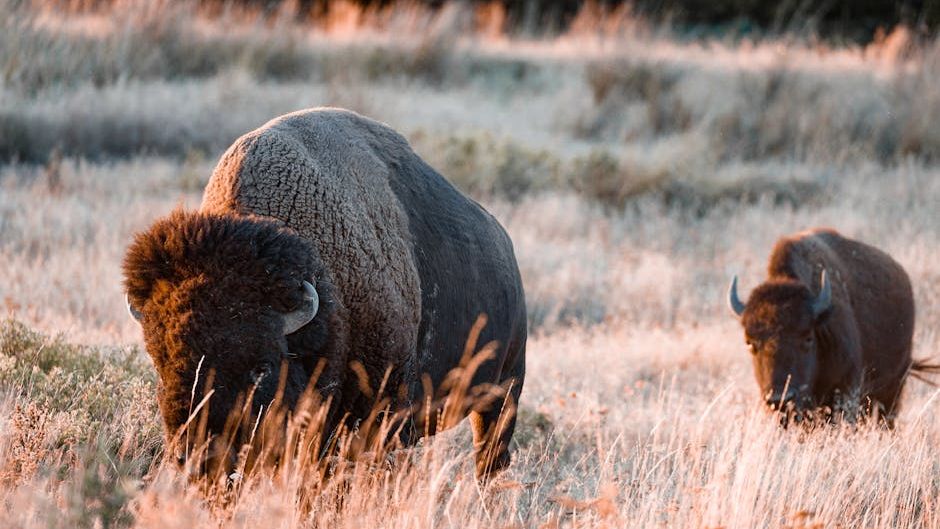
Trump Administration Bans a Nonprofit’s Bison From Grazing on Federal Lands, but Spares Tribes – Image for illustrative purposes only (Image credits: Pexels)
Montana – American Prairie, a nonprofit working to restore native grasslands, must now move its bison herds off seven parcels of Bureau of Land Management land. The Trump administration issued a final decision that ends grazing leases the group secured under the prior administration. The ruling applies only to this specific nonprofit and leaves tribal grazing rights untouched.
Scope of the Federal Decision
The order targets a narrow set of leases rather than imposing a broad prohibition on bison grazing across public lands. Officials described the action as a straightforward reversal of earlier approvals, yet the legal reasoning has drawn attention for its limited reach. Only the parcels held by American Prairie fall under the new restriction. This approach leaves other users of the same land categories unaffected. The decision also explicitly preserves access for tribal operators who hold separate grazing arrangements. As a result, the change appears more targeted than a sweeping policy shift on wildlife management.
Impact on Grassland Restoration Efforts
American Prairie has used the leased parcels to support bison herds that help maintain the ecological balance of the northern Great Plains. Removing the animals from these areas will require adjustments to the group’s overall management plan for the region. Staff will need to identify alternative locations or reduce herd sizes to comply with the new limits. The practical effect reaches beyond the immediate relocation. Ongoing work to rebuild prairie ecosystems depends on consistent access to suitable grazing sites. Without those seven parcels, the nonprofit faces added logistical and financial pressures in its day-to-day operations.
Nonprofit’s Planned Response
American Prairie has stated it will appeal the ruling and described the decision as politically motivated. The organization maintains that the leases were properly issued and supported legitimate conservation goals. Legal filings are expected to challenge both the substance and the timing of the federal action. Observers note that the appeal process could extend for months. During that period the bison must still be removed from the affected parcels. The outcome will determine whether the herds can return or whether permanent changes to the restoration strategy become necessary.
Who Is Affected and What to Watch
The ruling touches several parties in different ways:
- American Prairie staff and volunteers, who must coordinate the physical relocation of the animals.
- Local ranchers and land managers who share the broader landscape with the nonprofit’s herds.
- Tribal grazing permit holders, who remain exempt from the new restrictions.
- State and federal wildlife agencies that track bison movements and habitat use across the region.
The appeal timeline and any interim court rulings will shape how quickly the situation stabilizes. Future lease renewals for similar conservation projects may also face closer scrutiny depending on the final legal result.