

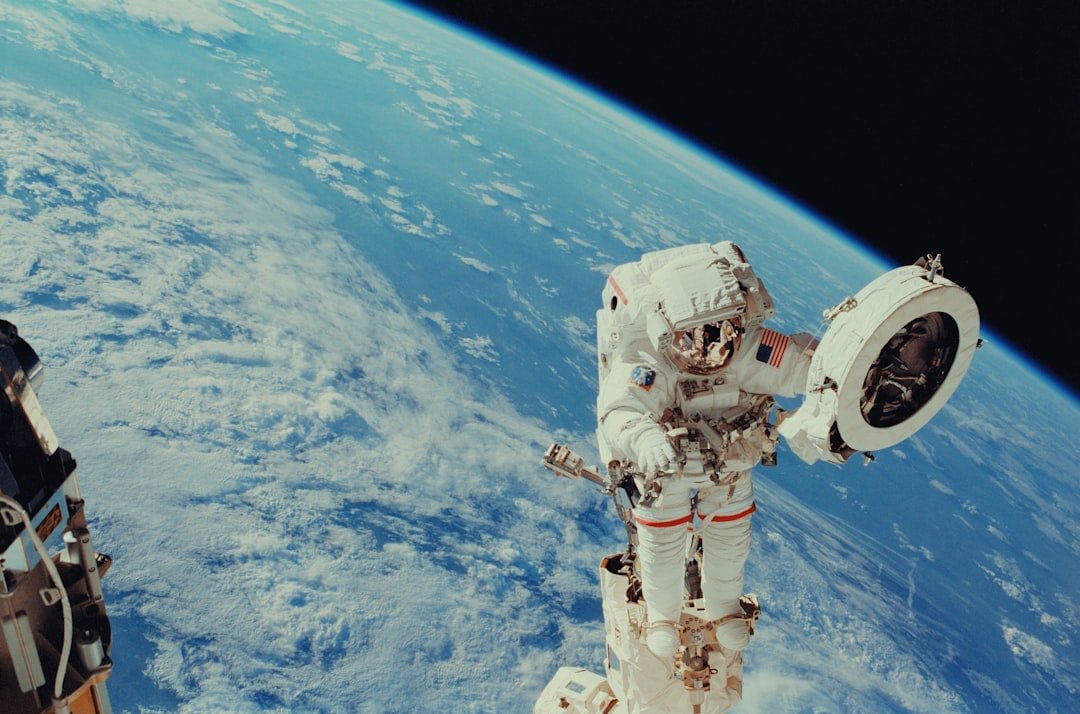
A New Era of Talent Acquisition Begins (Image Credits: Unsplash)
The successful conclusion of the Artemis II mission on April 10, 2026, marked a pivotal moment for NASA’s human spaceflight program, as astronauts returned safely from orbiting the Moon. This achievement has reignited global enthusiasm for space exploration and prompted the agency to accelerate its workforce strategy. NASA responded swiftly by launching NASA Force, a targeted recruitment effort designed to draw top technical talent from the private sector into short-term roles that advance critical missions.[1][2]
A New Era of Talent Acquisition Begins
NASA Administrator Jared Isaacman hailed the initiative as a game-changer during its rollout. “NASA Force is bringing highly skilled early- to mid-career engineers, technologists and innovators to help us achieve our world-changing missions,” he stated.[2] The program emerged from a partnership with the U.S. Office of Personnel Management (OPM) and forms part of the broader US Tech Force effort to modernize federal technical capabilities.
Officials emphasized the need to rebuild core competencies amid recent staff transitions. Thousands of senior personnel departed through retirements and buyouts in fiscal year 2026, creating gaps in expertise essential for ambitious goals like sustained lunar presence.[1] NASA Force addresses this by offering focused term appointments, typically lasting one to two years with potential extensions, allowing industry professionals to contribute without long-term commitments.
Why NASA Needs Industry Power Now
The timing aligned closely with Artemis II’s success, which Isaacman described as inspiring a surge in interest to join the agency during a “Golden Age of innovation and exploration.” OPM Director Scott Kupor reinforced this view: “NASA Force is about making sure the agency has access to the next generation of innovation and strong partnerships with private sector talent to drive its very ambitious agenda.”[2]
Prior to the first applications, NASA announced the program on March 4, 2026, as a step toward fulfilling national space policy directives. The initiative supports efforts to retain internal talent while injecting external skills to tackle complex challenges in exploration and aeronautics. This approach ensures the U.S. maintains leadership amid evolving priorities, even as budget proposals sparked debate over science funding.[3]
Mission-Critical Roles on Offer
The debut posting targeted aerospace engineers for two-year terms, with applications accepted from April 17 through April 21 via USAJOBS. More opportunities are slated to follow in the coming weeks, spanning NASA’s key directorates.[4] Participants will engage in high-stakes projects that demand technical excellence and cross-disciplinary collaboration.
Highlighted assignments include:
- Operations for the VIPER lunar rover.
- Deep space logistics planning.
- Development of NASA Spaceport 2.0 infrastructure.
- Orion spacecraft’s real-time operating system and core flight software.
- Curation of lunar and astromaterials samples.
- In-situ resource utilization plants for sustainable lunar outposts.
- AI and machine learning models for air traffic control automation in aeronautics.
- Propulsion support for Commercial Crew, Launch Services, and Artemis programs.
These roles position recruits at the heart of efforts to expand human presence beyond Earth while advancing scientific discovery.[5]
Streamlined Path to Joining the Team
Candidates apply through the federal USAJOBS platform after reviewing postings on the dedicated NASA Force page or nasaforce.gov. Selected applicants then complete a USA Hire assessment evaluating skills like attention to detail, teamwork, and decision-making via interactive formats.[4]
The process prioritizes a concise two-page federal resume tailored to the role. NASA provides resources, including practice assessments, to aid preparation. Successful hires join collaborative teams where innovation thrives, gaining exposure to leading experts and diverse projects that foster professional growth.
Key Takeaways
- NASA Force targets early- to mid-career talent for 1-2 year terms in vital space and aeronautics roles.
- First aerospace engineer applications closed April 21; expect more soon on USAJOBS.
- Backed by Artemis II momentum, the program bolsters U.S. space leadership through private-public talent exchange.
As NASA Force gains traction, it promises to bridge industry prowess with agency missions, ensuring the momentum from Artemis II propels future breakthroughs. The initiative not only fills immediate needs but also cultivates a resilient workforce for decades ahead. What role in space exploration excites you most? Share your thoughts in the comments.