

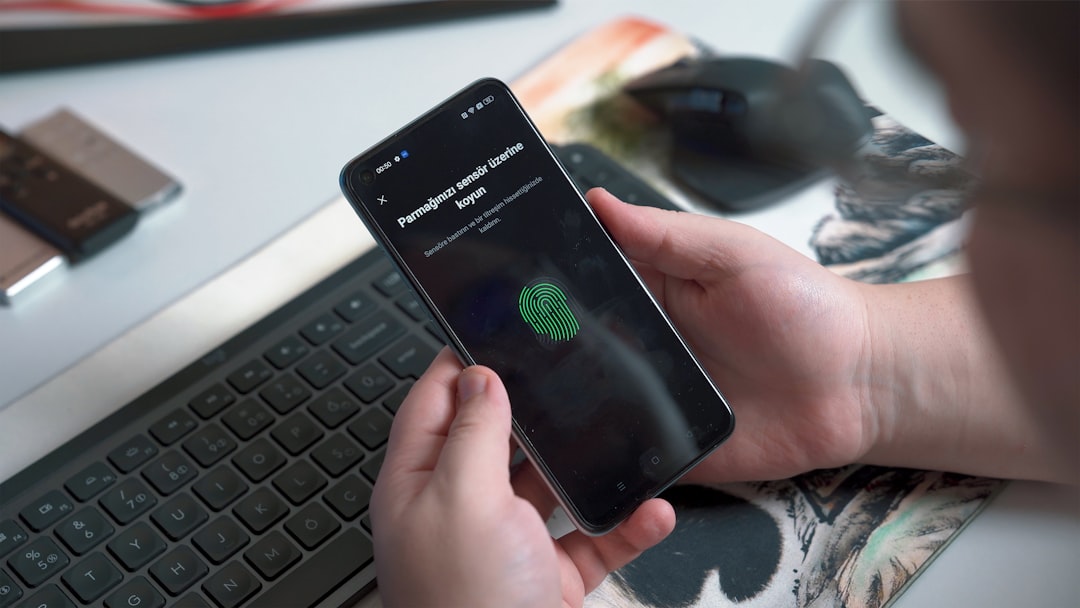
Why More Seniors Are Being Asked to Verify Identity In Person Instead of Online – Image for illustrative purposes only (Image credits: Unsplash)
Many retirees who count on monthly Social Security or Medicare payments have discovered that routine updates now require an office visit rather than a phone call or online form. The shift stems from a sharp increase in identity theft aimed at older adults, prompting federal agencies to tighten verification steps for certain transactions. Those who cannot complete the process digitally often face the added step of scheduling an in-person appointment, which can involve travel and wait times that disrupt daily routines. Officials describe the measures as necessary safeguards, yet the practical impact falls heavily on people with limited mobility or technology access.
Rising Identity Theft Targets Older Adults
Fraud against seniors has grown sharply in recent years, with criminals using stolen personal data to redirect benefit payments or open new accounts. Agencies report that traditional security questions based on personal knowledge no longer offer reliable protection, since much of that information is available through data breaches or online marketplaces. Requiring physical presence for high-risk actions adds a barrier that remote scammers cannot easily overcome. This approach aims to reduce successful attempts to divert funds that many households rely on for housing, food, and medical costs.
2025 Rule Updates and Their Practical Effects
The Social Security Administration introduced updated verification procedures in 2025 to address these vulnerabilities. Early versions of the changes drew criticism for potentially requiring millions of beneficiaries to appear in person, leading to adjustments that preserved telephone options in many cases. Even so, actions such as altering direct deposit details continue to trigger stricter checks. Retirees who lack reliable internet or struggle with digital tools now find themselves directed to local offices for services that previously could be handled remotely.
Online Systems Add New Hurdles
Digital portals remain available for many tasks, yet they now incorporate advanced steps including document uploads and facial recognition through services such as ID.me or Login.gov. Some older adults encounter difficulties navigating these requirements due to unfamiliar technology or inconsistent internet connections. When verification fails, agencies route individuals toward in-person appointments. The added complexity has left many beneficiaries uncertain about which method to use and concerned about delays in receiving payments.
Advocacy Concerns and Available Options
Groups representing older adults have highlighted the difficulties created by office visits, particularly for those with disabilities or who live far from service centers. Long wait times and staffing limitations at local offices can compound the challenge. At the same time, agencies continue to offer multiple pathways depending on the transaction. Retirees can typically choose among:
- Online accounts with enhanced security features
- Telephone assistance for lower-risk requests
- Scheduled in-person appointments when digital or phone options are unavailable
These choices allow flexibility while maintaining stronger protections against fraud.
Scammers Exploit Uncertainty Around the Changes
The rollout of new verification rules has created openings for fraudsters who contact seniors by phone, email, or text and claim urgent action is needed to protect benefits. Legitimate agencies do not threaten sudden suspension of payments or demand immediate personal details through unofficial channels. Beneficiaries are advised to confirm any request directly through official government websites or established phone lines before responding. Staying alert to these tactics helps protect both personal information and monthly income. The requirement for in-person verification reflects a broader effort to shield retirement benefits from sophisticated theft schemes. For many seniors, the result is a more deliberate process that trades some convenience for added security, leaving individuals to weigh travel and time against the risk of financial loss.