


There’s a quiet irony running through the modern wellness industry. Millions of people pay significant sums each month for capsules, powders, and cognitive supplements, all while a free, evidence-supported anti-inflammatory intervention waits literally beneath their feet. Grounding, also called earthing, is the simple practice of placing bare skin in direct contact with the earth’s surface. It’s unglamorous. It doesn’t come in a bottle. Yet the research behind it is increasingly difficult to dismiss.
The comparison with nootropics isn’t meant to be dismissive of either approach. It’s meant to ask a fair, honest question: when it comes specifically to inflammation, are we reaching for the right tools?
The Inflammation Crisis Nobody Is Fully Solving

Chronic inflammatory diseases are the most significant cause of death in the world, and the World Health Organization ranks chronic diseases as the greatest threat to human health. That’s not a minor footnote. It’s the context for almost every wellness product on the market right now.
Chronic inflammation affects around 35 percent of Americans, and more than half of all deaths worldwide are attributed to chronic inflammatory diseases, including cancer, cardiovascular disease, dementia, stroke, and diabetes. These aren’t edge cases. They’re the central health story of the 21st century.
Certain social, environmental, and lifestyle factors can promote systemic chronic inflammation that can, in turn, lead to several diseases collectively representing the leading causes of disability and mortality worldwide, such as cardiovascular disease, cancer, diabetes mellitus, chronic kidney disease, and autoimmune and neurodegenerative disorders. That framing, from a review in Nature Medicine, puts lifestyle right at the center of the problem, and potentially at the center of the solution.
What Nootropics Actually Do for Inflammation
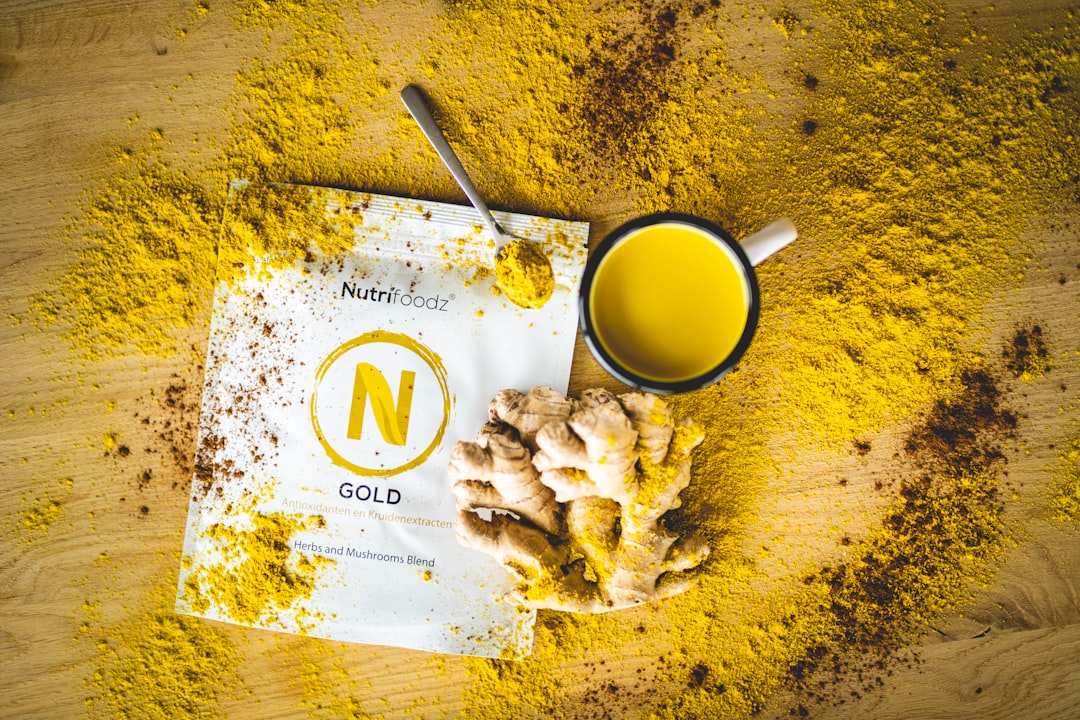
Nootropics, also known as “smart drugs,” are a diverse group of medicinal substances whose action improves human thinking, learning, and memory, especially in cases where these functions are impaired. Most people taking them are chasing focus, not inflammation control. That distinction matters.
Natural nootropics do mitigate inflammatory responses in the brain and modulate neurotransmitter concentration. Some plant-based nootropics go a step further. Bacopa monnieri extract, for instance, inhibits the release of pro-inflammatory cytokines, namely TNF-alpha and IL-6 from microglial cells, thereby protecting from neuroinflammation, a pathological process occurring during neurodegeneration.
Panax Ginseng stands out as one of the most frequently cited nootropics for inflammation, with its ginsenosides directly targeting inflammatory cytokines and reducing oxidative stress markers, while Rhodiola Rosea serves as another option working through different pathways. These are real effects. The honest limitation, though, is that most nootropic research on inflammation focuses on neuroinflammation, not systemic, body-wide inflammatory markers. That’s a narrower target than grounding research tends to address.
The Science Behind Grounding and Inflammation

Grounding an organism produces measurable differences in the concentrations of white blood cells, cytokines, and other molecules involved in the inflammatory response. This comes from peer-reviewed research published in the Journal of Inflammation Research, and it’s one of several findings that make the earthing field harder to wave away than many initially expect.
Grounding allows the body to absorb electrons from the Earth’s surface, neutralizing free radicals and reducing oxidative stress. This has broad implications for slowing the aging process, improving overall health, and preventing diseases related to oxidative damage. It’s a mechanism that makes electrochemical sense, given that free radicals are positively charged and Earth’s surface carries a negative electrical potential.
Mitochondria under grounded conditions produced significantly more ATP, reduced ROS production, and decreased mitochondrial membrane potential compared to sham and ungrounded conditions. These findings indicate that grounding improves mitochondrial bioenergetics by reducing oxidative stress. That’s a cellular-level finding, not just a subjective report of feeling better.
What 10 Minutes Actually Achieves

Studies show benefits from grounding begin within 30 to 40 minutes of contact. Even 10 to 15 minutes provides measurable inflammation reduction. This is a striking claim, but it’s grounded in the speed at which electrons transfer into the body’s conductive tissues once contact is made.
Directly touching the earth outside connects the conductive human body to the natural electrical output of the earth. This direct contact immediately grounds the entire human body from head to toe, as all living cells, tissues, and fluids of the body are highly conductive and become grounded nearly instantaneously.
Use of high-resolution medical infrared imaging as an objective assessment of both inflammatory and neurophysiologic conditions demonstrated significant immediate changes in both acute and chronic inflammation-related conditions. Infrared thermography is an objective, visual measure, which makes this particular finding harder to dismiss as purely subjective or placebo-driven.
Grounding and Blood: The Cardiovascular Connection

Grounding works by transferring electrons from the Earth to the body, which neutralizes free radicals and reduces oxidative stress. Studies showed grounded participants experienced lower blood viscosity, improved heart rate variability, and better autonomic nervous system function. Blood viscosity is a marker that most supplement labels never mention, yet it’s directly connected to cardiovascular risk.
Earthing was effective in reducing blood viscosity, improving blood flow regulation and heart rate variability, healing chronic diabetic wounds, reducing muscle soreness and damage, and decreasing pain and stress. That’s a wide range of effects from a single, cost-free intervention.
One study found that concentrations of known indicators of inflammation decreased more in the blood of people who grounded than in those who didn’t. The comparison with non-grounded controls gives this finding meaningful clinical weight. It’s not just that grounded subjects improved. They improved more.
Cortisol, Stress, and the Inflammation Loop

Subjects who slept grounded showed more regular cortisol secretion patterns and decreased levels of nighttime cortisol, resulting in better stress recovery. This matters because cortisol and inflammation are deeply entangled. Chronic stress drives chronic inflammation, which in turn makes stress harder to manage.
Studies found that grounding can help normalize the day-night cortisol rhythm, which is crucial for managing stress levels. It appears to shift the autonomic nervous system from a sympathetic stress state to a more parasympathetic, relaxed state. That shift from “fight or flight” toward “rest and digest” is one of the most powerful things a body can do to reduce systemic inflammation.
More recent experimental and review evidence suggests that grounding or earthing may shift autonomic balance toward parasympathetic dominance, reduce inflammatory markers, and regulate cortisol. With a 2024 review by Dr. Laura Koniver published in the Medical Research Archives examining these exact mechanisms, this isn’t fringe territory anymore.
Immune Response and Wound Healing

Studies suggest grounding enhances the body’s immune response. Participants who engaged in grounding practices showed a more robust recovery from illness or injury. Researchers hypothesize that grounding helps regulate immune system activity, keeping it in balance and improving overall resilience.
Grounding reduces pain and alters the numbers of circulating neutrophils and lymphocytes, and also affects various circulating chemical factors related to inflammation. These are specific, measurable changes in immune cell populations, not vague wellness claims.
Earthing has been linked to pain reduction, modulation of immune responses, and decreased levels of inflammation-related biomarkers, indicating potential benefits for inflammatory and autoimmune conditions. A 2024 study published in the International Journal of Molecular Sciences specifically investigated earthing’s neuromodulatory effects, adding to a growing body of mechanistic literature that stretches well beyond anecdote.
Where Nootropics Fall Short on Systemic Inflammation

Nootropics have significant evidence for use in mild cognitive disorders and brain fog related to inflammation, such as those seen in chronic illness or traumatic brain injury. That’s a legitimate use case. Still, the primary mechanism of most nootropics targets neurological pathways, not the whole-body inflammatory cascade that affects joints, cardiovascular tissue, and metabolic function.
Common side effects of certain synthetic nootropics include non-specific rashes, headache, inflammation of the oral mucosa, acute pancreatitis, diarrhea, nausea, and loss of appetite. Some of these are inflammatory responses in themselves. The irony of taking an anti-inflammatory agent that can trigger inflammation as a side effect is worth sitting with.
Nootropics also require consistent daily dosing, absorption through digestion, and time to accumulate in the system before effects appear. Grounding, by contrast, produces measurable physiological changes within minutes of contact with no metabolic processing required. That’s a fundamentally different delivery mechanism.
The Limits of the Research (Honesty Matters Here)

There is still not enough research on grounding to definitively determine whether it is truly beneficial for health, but there are some preliminary findings worth mentioning. That’s an honest framing, and it’s important to hold onto it. The grounding research is promising, but much of it involves small sample sizes, and larger randomized controlled trials are still needed.
Because grounding’s health benefits are not fully proven, it should never be used in place of medical treatment. Researchers have published a few studies to document the benefits of grounding, though there’s no definitive evidence that it can actually prevent any ailment. That’s WebMD’s measured assessment, and it’s a reasonable guardrail for anyone considering grounding as a primary strategy for serious disease.
What the evidence does support is grounding as a genuinely useful complementary practice. A randomized controlled trial has demonstrated that earthing can enhance not only pain management but also mood, fatigue, overall health, and quality of life. For a practice that costs nothing and carries minimal risk, that’s a compelling cost-benefit profile.
A Practical Comparison Worth Making

Worldwide, three out of five people die due to chronic inflammatory diseases like stroke, chronic respiratory diseases, heart disorders, cancer, obesity, and diabetes. Against that backdrop, the supplement industry often promises more than it can deliver, and the nootropic market is not exempt from that tendency.
Historically, people spent more time outdoors with their feet and bodies directly on the ground. Today, most people have little direct contact with the earth. As a result, the theory goes, our bodies build up positive static electric charges that can’t be released unless we connect to the ground. Modern insulation, from rubber-soled shoes to elevated beds to concrete-covered cities, is a genuinely recent phenomenon. It’s at least reasonable to ask what its long-term biological consequences might be.
Grounding refers to direct physical contact with the Earth’s surface electrons, which immediately influences vagal tone, reduces inflammation, regulates circadian rhythms, and improves mood and digestive function. Nootropics rarely touch this many systems simultaneously, and they certainly don’t do it in ten minutes for free.
Conclusion: The Overlooked Option

The point isn’t that nootropics are useless. Several plant-based options carry credible evidence for reducing neuroinflammation and supporting cognitive function. For specific applications, they genuinely earn their place.
The point is that when it comes to systemic inflammation, the body’s most ancient regulatory systems may respond better to contact with the natural world than to a capsule engineered in a lab. Clinical studies have demonstrated the benefits of the earthing technique for the prevention and treatment of chronic inflammatory and autoimmune diseases. That’s a conclusion supported by research from multiple independent teams across more than two decades of published literature.
Ten minutes. Bare feet. Grass, soil, or sand. It’s probably the most underutilized anti-inflammatory tool in the world, largely because nobody profits from it.