

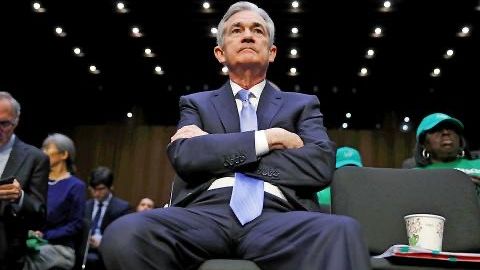
Senate Committee Clears Warsh Nomination (Image Credits: Flickr)
Washington – Federal Reserve Chair Jerome Powell moved to quell concerns over potential leadership friction at the central bank. His term expires on May 15, but President Trump’s nominee, former Governor Kevin Warsh, advanced through a key Senate hurdle this week. Powell emphasized continuity and cooperation amid the ongoing confirmation process.[1][2]
Senate Committee Clears Warsh Nomination
The Senate Banking Committee approved Kevin Warsh’s nomination on a 13-11 party-line vote. All Republicans supported the move, while Democrats opposed it. Warsh, who served on the Fed’s Board of Governors from 2006 to 2011, has criticized past central bank policies, including the handling of inflation peaks.[1]
A full Senate vote now awaits, potentially before Powell’s deadline. The nominee could assume the role by mid-May if confirmed swiftly. Delays earlier stemmed from a Justice Department probe into Powell’s comments on Fed headquarters renovations, but a federal court recently quashed related subpoenas.[3]
Powell’s Firm Stance on Staying Put
Powell addressed his future directly during a March press conference. He stated he would serve as chair “pro tem” if Warsh lacked confirmation by term’s end. “That is what the law calls for,” he explained, citing precedents including his own appointment. Federal statute requires the incumbent to hold the position until a successor qualifies.[4][2]
Beyond the chair role, Powell intends to remain on the Board of Governors until a probe concludes. “I have no intention of leaving the board until the investigation is well and truly over, with transparency and finality,” he said. His board term extends to early 2028, offering potential continuity but also complicating Trump’s appointment plans.[3]
Dismissing Shadow Chair Concerns
Speculation about a “shadow chair” has swirled since late last year. The concept involved a nominee influencing policy before official installation, potentially clashing with Powell. He dismissed it outright: “I don’t think that’s on the table at all.”[5]
Powell stressed institutional norms and independence. He highlighted long-standing Fed-Treasury collaboration while underscoring boundaries. Recent developments, including the committee’s action, suggest a handover without overt interference. Markets have watched closely as the Fed held rates steady amid inflation pressures from trade tensions and global events.[4]
What Lies Ahead for Fed Policy
Warsh’s confirmation would mark a shift. The nominee advocates trimming the Fed’s balance sheet and adjusting inflation frameworks. Powell’s final FOMC meeting occurred amid expectations of steady rates, possibly his last as chair.[1]
- Senate floor vote timeline remains fluid, targeting pre-May 15.
- Powell may clarify board plans in upcoming remarks.
- Probe resolution could accelerate the process.
Investors eye the transition for signals on rate path and regulatory stance. Powell’s commitment to law and precedent underscores a professional exit, paving the way regardless of exact timing.
The Fed enters a pivotal phase with leadership clarity on the horizon. Smooth execution now hinges on Senate action and lingering investigations.