

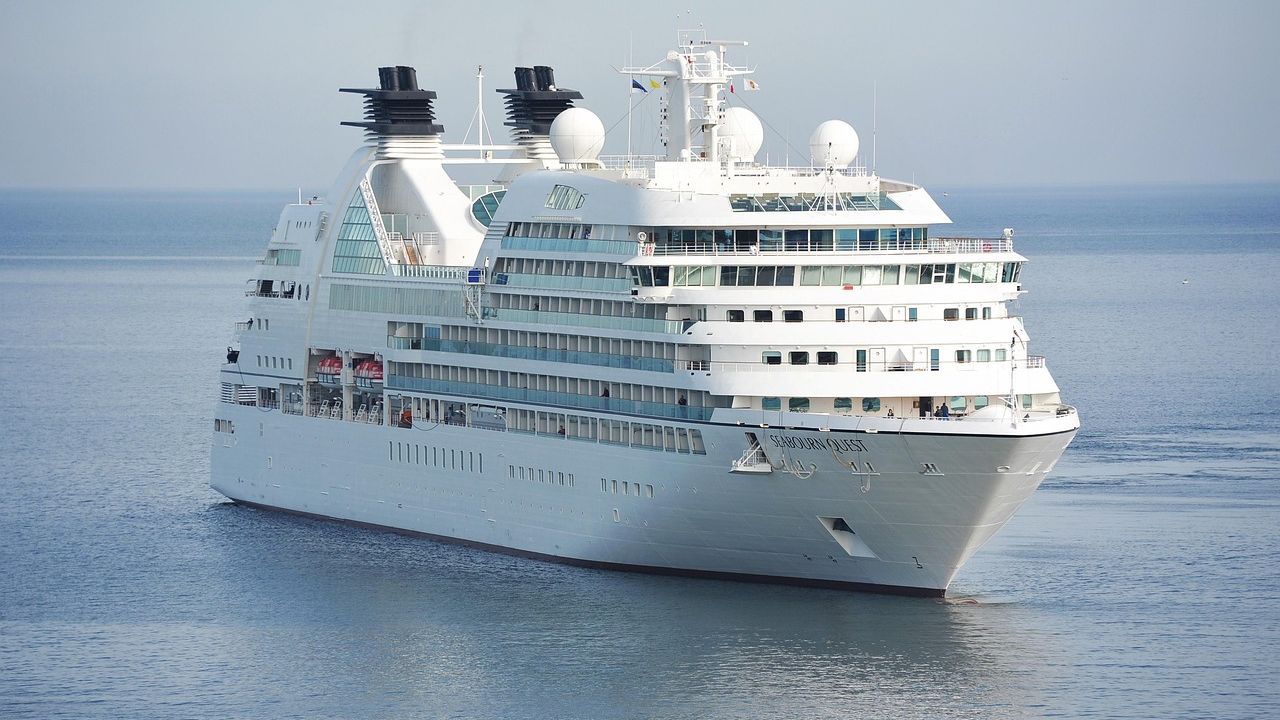
Inside the cruise ship at the center of a rare hantavirus outbreak – Image for illustrative purposes only (Image credits: Pixabay)
Off the coast of Cape Verde, the expedition vessel MV Hondius remained anchored in the Atlantic, its decks eerily quiet amid a hantavirus outbreak that claimed three lives. Medical personnel in protective suits boarded the ship, where nearly 150 passengers and crew isolated in cabins while awaiting evacuation orders. Health officials grappled with the unusual scenario of the rodent-borne virus striking a polar cruise far from land.
From Polar Adventure to Health Emergency
The MV Hondius, operated by Oceanwide Expeditions, had left Argentina on April 1 bound for Antarctica and remote South Atlantic islands. Passengers anticipated wildlife sightings and rugged exploration, not a deadly virus. Hantavirus, typically contracted through inhaling dust from infected rodent droppings, surfaced unexpectedly on board.
Officials reported seven cases in total: three fatalities, one passenger in critical condition after evacuation, and three others with mild symptoms. The Dutch operator activated its strictest protocols, including isolation, enhanced hygiene, and constant medical checks. Cape Verde authorities dispatched doctors, surgeons, nurses, and lab experts to the scene.
Passenger Accounts Reveal Resilient Spirits
Despite the tension, those aboard maintained high morale. Qasem Elhato, a 31-year-old passenger, shared video footage via WhatsApp showing empty gathering areas and a calm horizon. “Our days have been close to normal, just waiting for authorities to find a solution,” he said. “Morale on the ship is high and we’re keeping ourselves busy with reading, watching movies, having hot drinks and that kind of things.”
Helene Goessaert, speaking to Belgian broadcaster VRT, echoed the sense of unity. “You don’t embark on a trip with the idea that one of your fellow passengers won’t make it,” she noted. Fresh supplies of fruit and vegetables arrived, boosting spirits during the wait. Mask-wearing and distancing measures recalled early COVID-19 precautions.
Timeline of Deaths and Evacuations
The outbreak unfolded over weeks as the ship progressed northward. A Dutch man died on April 11; his body was removed nearly two weeks later at St. Helena, 1,200 miles off Africa’s coast. His wife, en route by plane to South Africa, collapsed at Johannesburg airport and passed away on April 26.
| Date/Event | Details |
|---|---|
| April 11 | Dutch man dies on board; first confirmed case. |
| Late April (St. Helena) | Body removed; ship continues. |
| April 26 | Dutch man’s wife dies in South Africa hospital. |
| Ascension Island | British passenger evacuated, now in ICU in South Africa; tested positive. |
A British man fell ill next and was airlifted from Ascension Island, about 800 miles north, to intensive care in South Africa. Two cases confirmed positive for hantavirus via testing. Argentina’s health ministry verified no symptoms among departing passengers.
Questions Linger Over Transmission
World Health Organization experts probed potential human-to-human spread, rare for hantavirus. Dr. Maria Van Kerkhove, WHO’s director of epidemic and pandemic preparedness, addressed reporters in Geneva. “We’re working with Spanish authorities, who will welcome the ship,” she said, noting sick passengers would transfer first.
No rats appeared on board, and the index case likely occurred pre-boarding, officials suspected. Symptoms can emerge up to eight weeks post-exposure. South Africa initiated contact tracing, though risks to the public stayed low. Cape Verde heightened port safeguards in Praia despite the virus’s limited person-to-person transmission.
Next Steps Remain in Flux
WHO planned evacuations of ill passengers to the Netherlands, but timelines stayed vague. The ship positioned for Spain’s Canary Islands, yet Spanish officials monitored without committing to a port. “The most appropriate port of call will be decided,” their statement read.
The episode underscored vulnerabilities on extended voyages to isolated regions. Passengers endured uncertainty with patience, their expedition transformed into a test of endurance. As authorities coordinated across continents, the focus sharpened on containing the virus and restoring safe passage.