

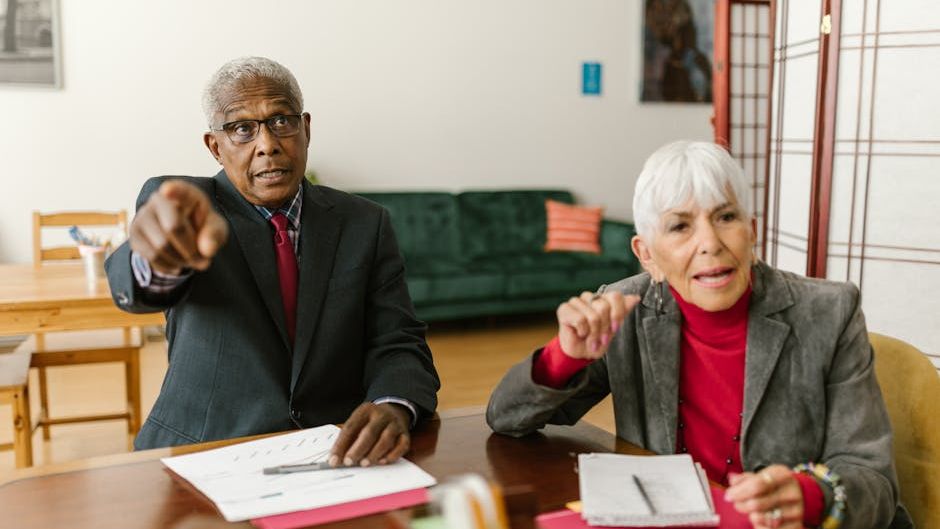
“Un-Retiring” Becomes the New Normal: Nearly 1 in 5 Seniors Is Back in the Workforce as Living Costs Outpace Social Security – Image for illustrative purposes only (Image credits: Pexels)
Many older Americans who once pictured retirement as a time of rest now find themselves clocking in again. Higher prices for groceries, housing, and medical care have outstripped the modest annual adjustments to Social Security, leaving some households short each month. Labor statistics indicate that nearly one in five people over age 65 remains in the workforce, and growing numbers describe their return as a direct response to these pressures rather than a choice for extra activity.
Financial Pressures Reshape Daily Life
Retirees often report that the 2.8 percent cost-of-living increase for 2026 covered only a fraction of actual price jumps in food, utilities, and insurance. A recent survey showed that 68 percent of retirees view these adjustments as insufficient for covering essentials. Many had planned on savings lasting longer, yet years of inflation and unexpected expenses have shortened that timeline.
With the average monthly Social Security benefit hovering just above $2,000, households that depend on it as their main income face difficult trade-offs. Roughly 40 percent of retirees rely almost entirely on these payments. Smaller 401(k) balances, reduced by earlier market drops or pandemic withdrawals, have left even less buffer for the years ahead.
Part-Time Roles Offer a Practical Bridge
Most seniors who reenter the workforce choose flexible, lower-stress positions rather than demanding full-time schedules. Retail, education support, healthcare assistance, and consulting appear frequently in their choices. Flexibility and access to additional benefits often rank higher than maximum pay when they weigh options.
These part-time arrangements help cover immediate gaps in food and insurance without eliminating all free time. Workers describe the extra shifts as a way to maintain some independence while addressing rising bills. The pattern suggests a shift toward blended work and leisure that earlier generations rarely considered.
Healthcare Expenses Add Steady Strain
Even with Medicare in place, out-of-pocket costs for prescriptions, dental care, and deductibles continue to climb. Some retirees return specifically to secure employer health coverage or to generate extra cash for medical needs. Chronic conditions can turn routine expenses into monthly shortfalls that Social Security alone cannot close.
Discussions among retirees frequently center on how quickly these bills consume fixed income. The added financial pressure often arrives alongside the physical and emotional adjustments of aging, creating a cycle that feels difficult to break without supplemental earnings.
Emotional Adjustments Vary Widely
Returning to work after retirement brings mixed feelings. Some experience frustration at having to resume paid labor, while others note renewed social connections and a clearer daily structure. Counselors observe that pride and disappointment can coexist when retirees discuss their decisions.
The trend points to a broader change in what later life looks like for many Americans. Traditional retirement, once viewed as a complete exit from work, now often includes ongoing employment for financial stability. Whether improved planning can reduce this pattern remains an open question as living costs continue to evolve.