

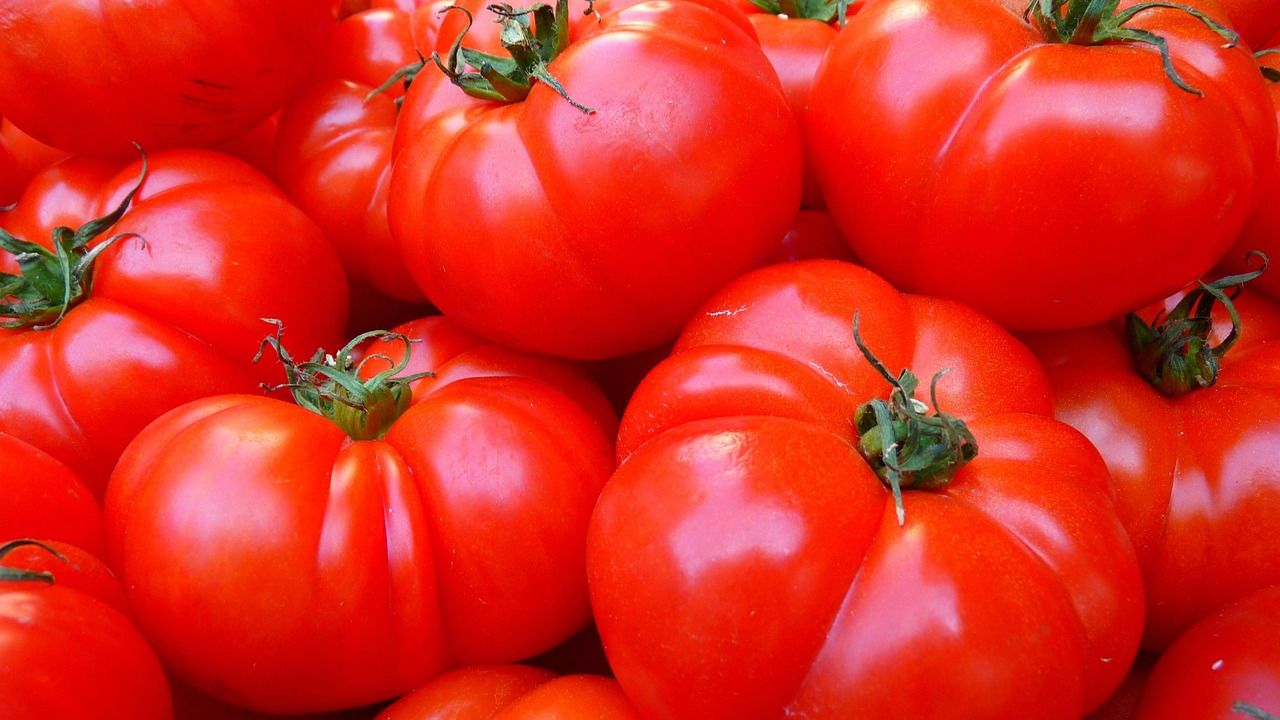
Food manufacturer Cento is committing “tomato fraud,” lawsuit alleges – Image for illustrative purposes only (Image credits: Pixabay)
A staple in kitchens across America now faces scrutiny. Two California residents filed a proposed class-action lawsuit against Cento Fine Foods this week, accusing the popular importer of misleading consumers with its “Certified San Marzano” canned tomatoes.[1][2] The case, lodged in the U.S. District Court for the Northern District of California, highlights ongoing debates over authenticity in premium Italian imports.[3]
The Heart of the Allegations
Plaintiffs claim Cento Fine Foods falsely branded its peeled tomato products as “Certified San Marzano,” implying they meet the rigorous standards of Italy’s official certifying body.[4] According to the complaint, the tomatoes lack the distinctive taste, texture, and physical traits – like thicker walls and fewer seeds – that define genuine San Marzanos.[5] Shoppers allegedly paid premium prices under the false belief these cans held the real deal from Italy’s Campania region.
The suit argues the labeling creates confusion, mimicking the protected DOP seal issued by Il Consorzio di Tutela del Pomodoro San Marzano dell’Agro Sarnese-Nocerino.[3] Without proper consortium certification, the products fall short and could even violate Italian regulations, the plaintiffs contend. They seek compensation, potentially up to $25 million for affected buyers.[5]
What Makes San Marzano Tomatoes So Prized?
True San Marzano tomatoes hail from a select volcanic-soil area in southern Italy’s Campania region, near Mount Vesuvius.[1] Their slender shape, low acidity, and rich flavor make them favorites for sauces and authentic Italian dishes. The European Union’s DOP status demands strict adherence to origin, cultivation, and processing rules, overseen by the consortium.
Only tomatoes grown, harvested, and canned in this zone earn the official mark. Imitators abound, but loyal cooks swear by the originals for superior results. Cento’s cans, priced higher than standard plum tomatoes, ride this reputation – yet the lawsuit questions if they deliver.[2]
Cento Pushes Back Strongly
The New Jersey-based company insists its tomatoes are authentic, grown in the Sarnese-Nocerino area and certified by independent third-party Agri-Cert.[1] Cento highlights its production facility in the San Marzano region and a “Find My Field” tool letting customers trace cans via lot codes. A lawyer for the firm called the suit “entirely without merit” and pledged a vigorous defense, including a motion to dismiss.[2]
This stance echoes past responses. Cento voluntarily halted consortium certification in the 2010s over labeling disputes but maintains its products exceed industry norms. The company positions itself as the sole U.S. importer with on-site facilities in Italy, emphasizing transparency and quality control.[4]
Echoes of Past Legal Battles
This is not the first time Cento has faced such claims. A 2019 class-action suit in New York federal court alleged similar mislabeling of “Certified San Marzano” tomatoes.[3] That case ended in dismissal in 2020, with the judge ruling reasonable consumers would not demand consortium approval over equivalent third-party verification. Cento’s lawyers cite this precedent confidently.
Earlier scrutiny dates back further, including a 2010 Italian probe into counterfeit labeling, though details remain sparse. These episodes underscore persistent skepticism around “San Marzano” claims in the U.S. market, where demand outstrips certified supply.[1] The current filing revives the debate, testing labels consumers trust in grocery aisles nationwide.
Key differences between alleged authentic and Cento’s product, per the suit:
- Certification body: Consortium DOP vs. Agri-Cert
- Perceived taste and texture: Premium traits absent
- Price justification: Premium markup for unverified origin
Implications for Shoppers and the Industry
As the case unfolds, everyday cooks may pause before reaching for Cento cans. The suit spotlights vulnerabilities in food labeling, where evocative names like San Marzano promise excellence but invite doubt. Regulators and courts will weigh if third-party certs suffice against DOP prestige.
For now, Cento stands firm, backed by traceability tools and legal wins. Consumers face a choice: trust the importer’s process or hunt for consortium-stamped alternatives. This “tomato fraud” challenge could reshape how premium imports prove their pedigree, ensuring pantry favorites match their hype.[5]