

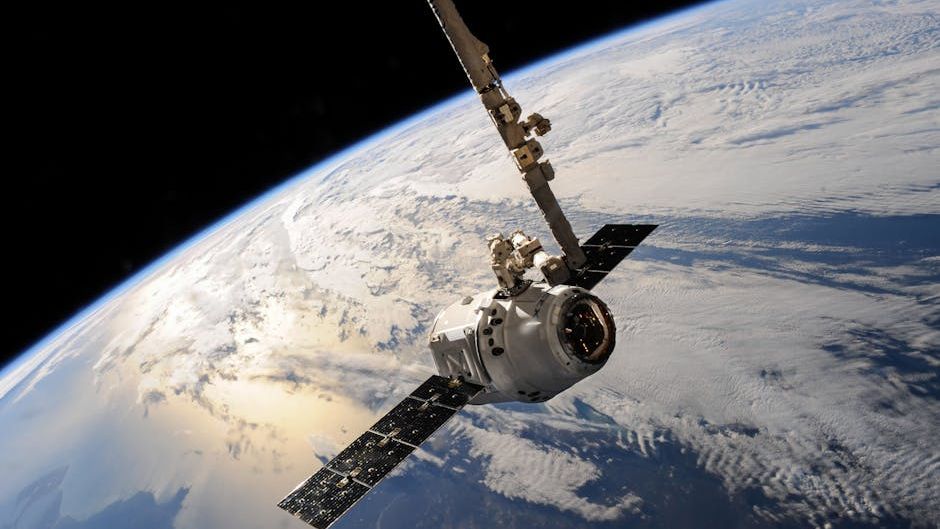
SpaceX Starlink and other satellite megaconstellations are creating an ‘unregulated geoengineering experiment’, scientists say – Image for illustrative purposes only (Image credits: Pexels)
Plans to place millions of satellites into orbit have drawn sharp warnings from scientists who see the effort as an uncontrolled experiment in atmospheric change. The concern centers on pollution released at high altitudes during launches and satellite operations, which could gradually alter global climate patterns. Researchers note that the scale of these megaconstellations far exceeds anything previously studied, leaving critical gaps in understanding long-term effects.
Launch Plans Reach Unprecedented Scale
Companies across the space sector have outlined ambitious programs that would add vast numbers of satellites to already crowded orbital paths. These networks aim to deliver global broadband coverage, yet the cumulative impact of repeated rocket firings remains largely unexamined. Each launch releases exhaust particles that linger in the upper atmosphere for extended periods.
Current projections suggest the total satellite count could climb into the millions within the coming decade. Such growth marks a sharp departure from earlier space activity, which involved far fewer vehicles and lower launch frequencies. The resulting increase in high-altitude emissions introduces variables that existing climate models do not fully capture.
High-Altitude Pollution Emerges as Key Issue
Exhaust from rocket engines and the gradual breakdown of satellite materials contribute to a steady buildup of particles above the troposphere. These substances can influence how sunlight reaches Earth and how heat escapes back into space. Scientists emphasize that even small changes at these altitudes may produce measurable shifts in temperature and weather systems over time.
Unlike ground-level emissions, which receive routine monitoring, high-altitude releases lack consistent oversight. The particles involved behave differently in thin air, potentially persisting longer and spreading more widely. This difference creates uncertainty about the precise pathways through which climate effects might develop.
Geoengineering Concerns Surface Without Oversight
Some researchers describe the situation as an unregulated form of geoengineering because the collective actions of multiple operators could modify atmospheric conditions on a planetary scale. No single agency currently coordinates or limits these activities with climate impacts in mind. The absence of binding rules leaves decisions about launch rates and technologies largely in private hands.
Historical precedents for intentional climate interventions involved deliberate, limited trials with clear goals and monitoring. In contrast, the satellite-driven changes arise as side effects of commercial expansion. This distinction heightens the risk that unintended consequences could accumulate before detection or correction becomes possible.
Next Steps for Research and Policy
Calls have grown for expanded atmospheric sampling and improved modeling to track the effects of rising satellite traffic. International discussions on coordination remain in early stages, with emphasis on balancing connectivity benefits against environmental risks. Continued observation will help clarify whether current projections hold or require adjustment.
Stakeholders continue to weigh the value of expanded satellite services against the need for clearer safeguards. Progress on both fronts depends on gathering more precise data about upper-atmosphere chemistry and dynamics. The outcome will shape how future space development proceeds in relation to Earth’s climate system.