

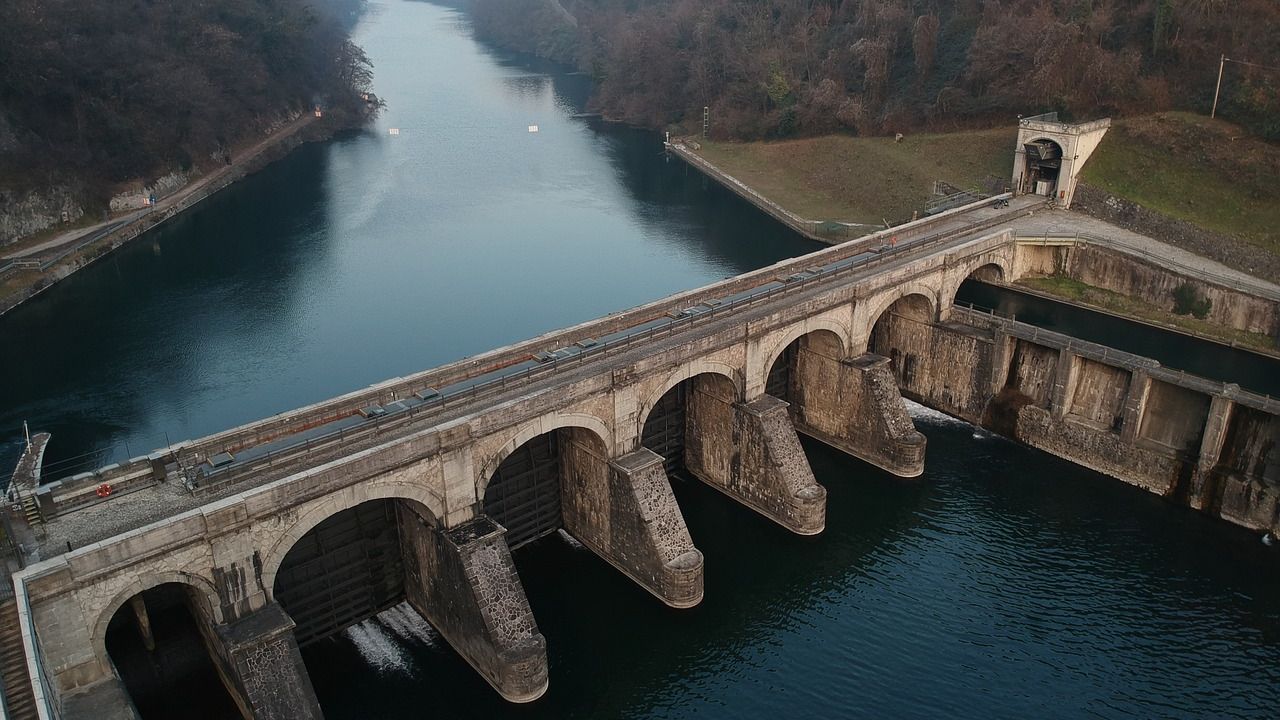
After a Century Powering Its Growth With Dams, Seattle Settles With Tribes That Lost Their River – Image for illustrative purposes only (Image credits: Pixabay)
Newhalem, Wash. – More than 100 years after Seattle City Light began construction on a major hydroelectric project in a remote North Cascades gorge, the utility has reached a landmark agreement with three tribes whose ancestral lands and fishing grounds were altered by the dams. The $1.35 billion settlement forms part of the relicensing process for three dams on the Skagit River and will support river restoration while increasing electricity costs for city residents. The deal reflects a broader reckoning with the long-term effects of infrastructure built to fuel urban expansion.
From Remote Gorge to Urban Powerhouse
Construction on the Skagit River dams began in the early 20th century in an isolated area that offered reliable water flow and elevation for power generation. The projects quickly supplied electricity that supported Seattle’s rapid growth into one of the nation’s wealthiest and most progressive cities. Over the decades, the dams became central to the region’s energy supply, delivering consistent output that helped shape modern infrastructure and economic development. The original construction transformed the river’s natural flow in ways that affected downstream ecosystems and tribal access to traditional resources. Tribes in the region had relied on the Skagit for salmon runs and cultural practices long before the dams existed. The settlement acknowledges these historical changes without altering the dams’ core operations.
Key Terms of the Relicensing Agreement
Under the agreement, Seattle City Light will provide $1.35 billion to three tribes as part of federal relicensing requirements for the dams. The funds are intended to support environmental improvements along the river and enhancements on tribal reservations. Ratepayers in Seattle will see modest increases in electricity bills to cover the costs over time. The payment structure spreads across multiple years and ties directly to ongoing compliance with federal regulations. It represents one of the larger financial commitments tied to dam relicensing in the Pacific Northwest. Officials have described the arrangement as a way to balance continued power production with long-term stewardship of the watershed.
Effects on Rates, River Health, and Reservations
Electricity customers served by Seattle City Light can expect gradual rate adjustments beginning in the coming years to fund the settlement. The increases are projected to remain modest relative to overall household energy expenses, though exact figures will depend on future regulatory reviews. At the same time, the agreement allocates resources for habitat restoration projects that aim to improve fish passage and water quality in the Skagit basin. Tribal communities stand to benefit from dedicated funding for reservation infrastructure and cultural resource protection. These measures address longstanding concerns about the dams’ upstream and downstream impacts. River restoration efforts funded through the settlement could enhance salmon populations, which remain vital to both ecological balance and tribal traditions.
Looking Ahead for Regional Energy and Tribal Relations
The settlement sets a precedent for how other utilities might approach relicensing older hydroelectric facilities amid evolving environmental standards. Seattle’s experience highlights the tension between reliable clean energy sources and the need to address historical effects on indigenous lands. Future relicensing cycles for similar projects may incorporate comparable financial and restoration components. City leaders have emphasized that the dams will continue operating as a key part of the region’s carbon-free power portfolio. The agreement allows operations to proceed while directing resources toward mitigation and partnership with affected tribes. Over the long term, the outcome could influence how other cities weigh the full costs of legacy infrastructure against modern expectations for equity and sustainability.