

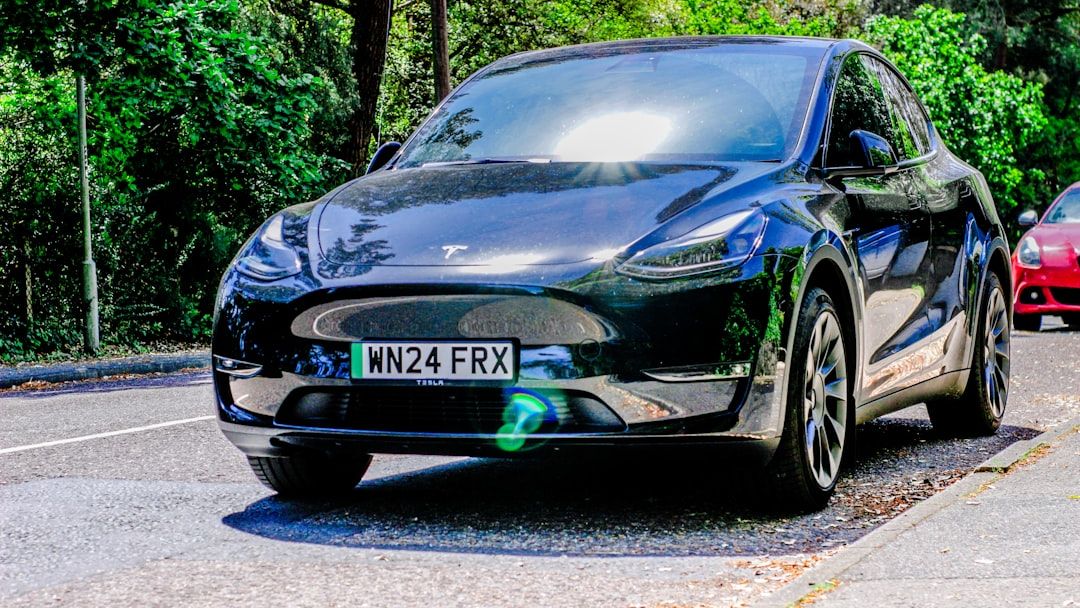
Used EVs are on the upswing in America – Image for illustrative purposes only (Image credits: Unsplash)
As gasoline prices surpass $4 per gallon amid escalating tensions in the Middle East, the market for used electric vehicles in the United States has reached unprecedented heights.[1][2] This surge arrives at a pivotal moment, with hundreds of thousands of leased EVs returning to the market and offering consumers more affordable options to cut fuel costs. While new EV purchases have declined sharply, the growth in pre-owned battery cars points to a resilient path forward for electrification efforts.[3]
Strong First-Quarter Performance for Used EVs
Sales of used electric vehicles totaled more than 100,000 units at retail during the first quarter of 2026, marking the second-highest quarter on record.[4] In March alone, 42,924 used EVs changed hands, a 27.7 percent increase from the previous year and a 53.9 percent jump from February.[2] This pushed the used EV market share to 2.5 percent of all used-vehicle transactions that month.
Wholesale volumes also set records, with roughly 37,000 used EVs sold through Manheim auction lanes in the quarter, up 12 percent year over year.[4] Tesla dominated, accounting for 15,385 used sales in March, followed by models from Chevrolet, Ford, Hyundai, and BMW.[2] Brands like Chevrolet and Ford saw over 50 percent month-over-month gains, reflecting broader availability.
New EV Sales Face Headwinds
In contrast, new electric vehicle sales fell 27 percent year over year in the first quarter, reaching 216,399 units and capturing 5.8 percent of the total new-vehicle market.[3] March figures stood at 82,629 units, down 24.7 percent from the prior year despite a 20.2 percent monthly rebound.[2] Tesla’s Model Y led with one in three new EV sales, though the brand’s overall share dipped slightly.
Average transaction prices for new EVs averaged $54,508 in March, still carrying a $5,800 premium over internal combustion engine vehicles.[2] The end of the $7,500 federal tax credit in September contributed to the slowdown, alongside policy shifts under the Trump administration.[1]
Lease Returns Reshape the Market
A wave of lease maturities has flooded the used EV supply. Approximately 300,000 electric vehicles will return from leases in 2026, more than double the 123,000 from 2025.[1] Cox Automotive anticipates another 600,000 returns in 2027, with many entering retail and wholesale channels.[1] These vehicles now represent 15 percent of all off-lease returns by year-end, up from 7.7 percent in the first quarter.[4]
Inventory levels reflect this influx: Used EV days’ supply dropped to 31 days in March, four days below gas counterparts.[2] Not all lessees repurchase; many walk away as residual values exceed market prices, boosting auction volumes.
| Metric | New EVs (March 2026) | Used EVs (March 2026) |
|---|---|---|
| Sales Volume | 82,629 (-24.7% YoY)[2] | 42,924 (+27.7% YoY)[2] |
| Market Share | 5.9%[2] | 2.5%[2] |
| Avg. Price | $54,508[2] | $34,653 (listing)[2] |
Used EVs now approach price parity with gas cars ($1,012 premium), easing a key adoption barrier amid $4+ gas prices.[2][1]
Factors Boosting Used EV Appeal
Average listing prices for used EVs fell to $34,653 in March, down 6.1 percent year over year and nearing parity with used gas vehicles.[2] Lower upfront costs address longstanding concerns, even as operating savings from cheaper electricity and maintenance persist.[1] Elevated fuel prices, now climbing further, have spurred shopping interest, though infrastructure and range remain considerations.
Used EV sales rose 34 percent overall in 2025, narrowing the gap with new EV volumes that held about 10 percent of new-vehicle sales that year.[1] Greater model variety and tighter inventory have accelerated turnover.
Implications for the Road Ahead
The used EV boom offers a bright spot for broader adoption, countering new sales challenges from policy changes and slower-than-expected growth.[1] As supply expands, prices should continue easing, potentially drawing more buyers sensitive to costs. Cox Automotive data underscores sustained momentum in the segment through year-end.[2]
Though new EV market share stabilized near 6 percent, the pre-owned sector’s vitality suggests electrification will persist despite hurdles. Higher gas costs and incoming inventory could tip the balance further toward battery power in coming quarters.