

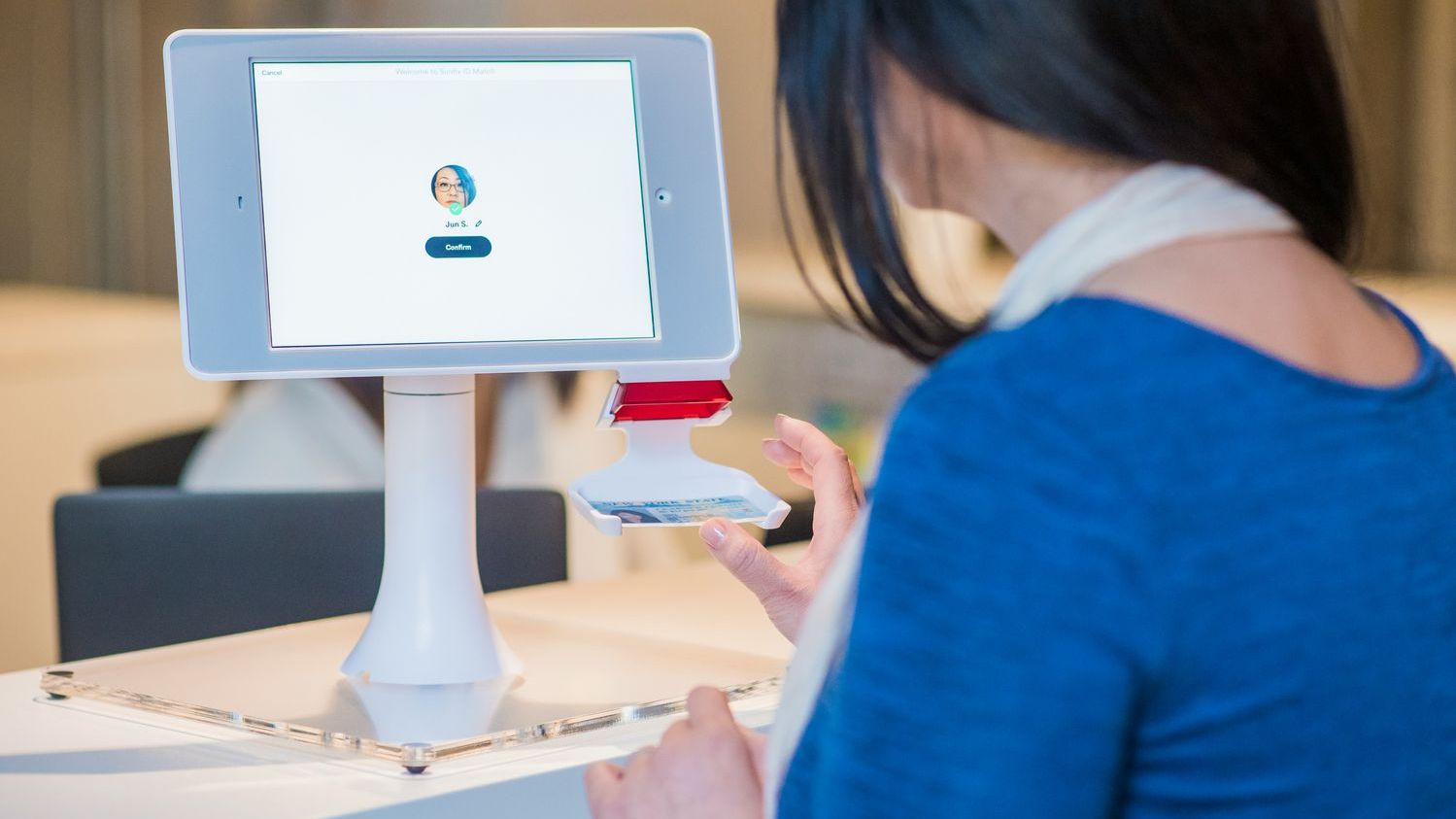
SNAP Shoppers Alert: New Verification Rules Require Selfies & Facial Recognition – Privacy Advocates Are Concerned – Image for illustrative purposes only (Image credits: Unsplash)
Millions of Americans who rely on SNAP benefits are encountering new digital requirements when they apply for aid, recover locked accounts, or log into state systems. Several states have begun rolling out selfie verification and facial recognition tools through third-party vendors to confirm identities and curb fraud. The shift comes after years of rising theft involving cloned cards and stolen credentials, yet it has left many recipients uneasy about how their personal data will be handled.
Fraud Surge Drives Technology Upgrades
Organized schemes that skim EBT cards or create fake accounts have grown more sophisticated in recent years, prompting states to strengthen their verification processes. Agencies now often require users to upload government-issued IDs and complete facial scans during initial applications or when resetting access. Officials maintain that these steps mirror tools already common in banking and tax filing, where they help block unauthorized claims before benefits are disbursed.
Third-party vendors handle much of the technical work, analyzing images against submitted documents to confirm the person applying matches the records on file. The approach has reduced some forms of identity theft in pilot programs, according to state reports, though full nationwide results remain under review.
Biometric Data Raises Fresh Privacy Questions
Advocates point out that once a selfie or facial scan enters these systems, individuals lose practical control over how long the information stays stored or who might access it later. Unlike passwords, biometric details cannot be changed if a breach occurs, leaving users exposed in ways traditional security measures do not. Recent leaks involving similar verification platforms have shown that uploaded images and documents can become targets for hackers.
Critics also note that facial recognition systems sometimes struggle with variations in lighting, aging, or medical conditions that alter appearance. These limitations can lead to repeated verification failures, delaying benefit access for people who already face barriers to technology.
Key points for SNAP recipients:
- Selfie and ID uploads are now common during account recovery and mobile logins.
- Data is often managed by private vendors rather than state offices alone.
- Alternative verification options remain limited in many states.
- Breaches of biometric records cannot be fixed by simply resetting a password.
Seniors Encounter Extra Hurdles
Older adults frequently lack smartphones with the cameras or processing power needed for smooth facial scans. Limited internet access and lower comfort with apps compound the problem when a verification step fails and blocks food assistance. A single technical glitch, such as poor lighting during a scan, can force repeated attempts that exhaust patience and time.
Privacy groups have urged states to keep non-biometric options available, including in-person verification or phone-based checks, precisely to avoid shutting out seniors who prefer not to share facial data. Without those safeguards, some households risk temporary loss of benefits while they navigate unfamiliar technology.
States Weigh Security Gains Against Public Trust
Officials continue to defend the tools as necessary protections for taxpayer-funded programs amid expanding fraud investigations. They argue that faster identity confirmation reduces the window for criminals to drain accounts and helps maintain public confidence in the system. At the same time, advocates press for clearer rules on data retention and independent oversight of the vendors involved.
The broader trend toward digital identity checks now reaches beyond SNAP into other government services, setting the stage for ongoing debate about convenience, accuracy, and individual rights. How states refine these systems in the coming months will determine whether the new requirements ease access or create lasting obstacles for millions of households.