

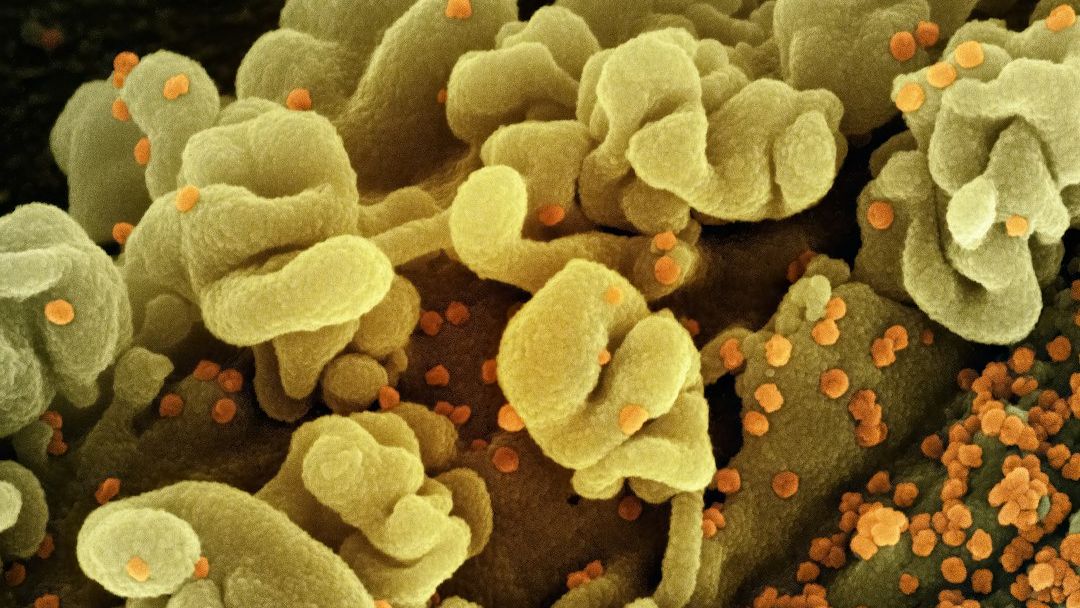
Beyond Antibiotics: Why the Next Great Medical Battle Is Against Fungus – Image for illustrative purposes only (Image credits: Unsplash)
Patients in intensive care units, already weakened by critical illnesses, confront a stealthy adversary that current treatments often fail to defeat. Drug-resistant fungi like Candida auris invade the bloodstream, contributing to one in three fatalities among those infected.[1][2] This “silent surge,” as experts term it, unfolds largely unnoticed while global health efforts prioritize bacterial threats.[3] Vulnerable individuals with compromised immune systems bear the brunt, as inhaled spores or hospital-acquired pathogens turn treatable conditions deadly.
The Human Toll of Fungal Resistance
Immunocompromised patients in hospitals represent the primary victims. Aspergillus fumigatus, a common environmental mold, lodges in the lungs after inhalation and proves especially dangerous during flu outbreaks or for those on ventilators. Resistance to azoles – key antifungal drugs – has appeared worldwide, complicating care.[4]
A Dutch study revealed 20 percent higher mortality rates for azole-resistant infections compared to susceptible ones.[3] Even skin infections from emerging strains like Trichophyton indotineae persist for years despite treatment, eroding quality of life. These cases underscore how resistance transforms minor issues into chronic burdens and routine hospital stays into high-stakes battles.
Key Culprits Driving the Crisis
Candida auris stands out for its tenacity. This yeast spreads readily on skin and surfaces in healthcare settings, persisting on bedrails and equipment. Most strains resist at least one antifungal class, with some defying all major options, including echinocandins – the current first-line therapy.[2] It preys on those with central lines, ventilators, or feeding tubes.
Aspergillus fumigatus adds another layer of concern. Patients inhale its spores daily, but resistance – often azole-based – renders standard therapies ineffective. Professor Paul E. Verweij, lead author of a recent expert commentary, warned: “We are facing a silent surge of drug-resistant fungi – from Candida auris in intensive care units to azole-resistant Aspergillus in the community – that is already costing lives.”[1] Such pathogens evade detection in resource-limited areas, amplifying undetected deaths.
Agriculture’s Unintended Role
Resistance rarely originates in hospitals. Instead, it brews in farmlands where fungicides mirror medical azoles used against crop blights on wheat, maize, and fruits. Prolonged exposure selects resistant strains, whose airborne spores travel vast distances via wind currents – even across continents.[3]
This cross-sector dynamic demands a “One Health” strategy linking agriculture, environment, and medicine. Fungicides avert 30 to 40 percent crop losses annually, yet their dual role accelerates human health risks. Experts urge aligning farm chemical approvals with medical impact assessments to curb this pipeline from fields to ICUs.
Experts Outline a Five-Step Defense
Fifty scientists from 16 organizations, coordinated by Verweij at Radboud University Medical Center, published their blueprint in Nature Medicine. Aimed at the WHO’s 2026 Global Action Plan update, it targets antifungal resistance overlooked in prior bacterial-focused efforts.[4]
- Awareness: Elevate fungi in AMR discussions to secure funding and milestones.
- Surveillance: Build global networks for tracking resistance patterns.
- Infection Prevention and Control: Enhance hospital protocols, especially screening for carriers.
- Optimized Use: Steward antifungals across sectors to delay resistance.
- Investments: Fund diagnostics, new drugs, and research amid a 75-year drought of just five antifungal classes.[1]
Professor Neil Gow of the University of Exeter emphasized the shift: “Fungal antimicrobial resistance is a clear and growing concern that requires urgent attention.”[4] Developing novel therapies remains tough, as fungal cells closely resemble human ones, risking toxicity.
Toward a Coordinated Response
Progress emerges with WHO’s 2022 fungal pathogen list and nascent One Health groups in mycology societies. Yet implementation lags, particularly in lower-income nations lacking diagnostics. Patients continue to suffer as resistance silently mounts.
For those at risk – cancer survivors, transplant recipients, or ICU dwellers – the stakes involve not just survival but preserving scarce treatment options. Global leaders must embed these steps into policy now, lest fungal foes eclipse bacterial ones in toll. The window narrows as spores drift onward.