

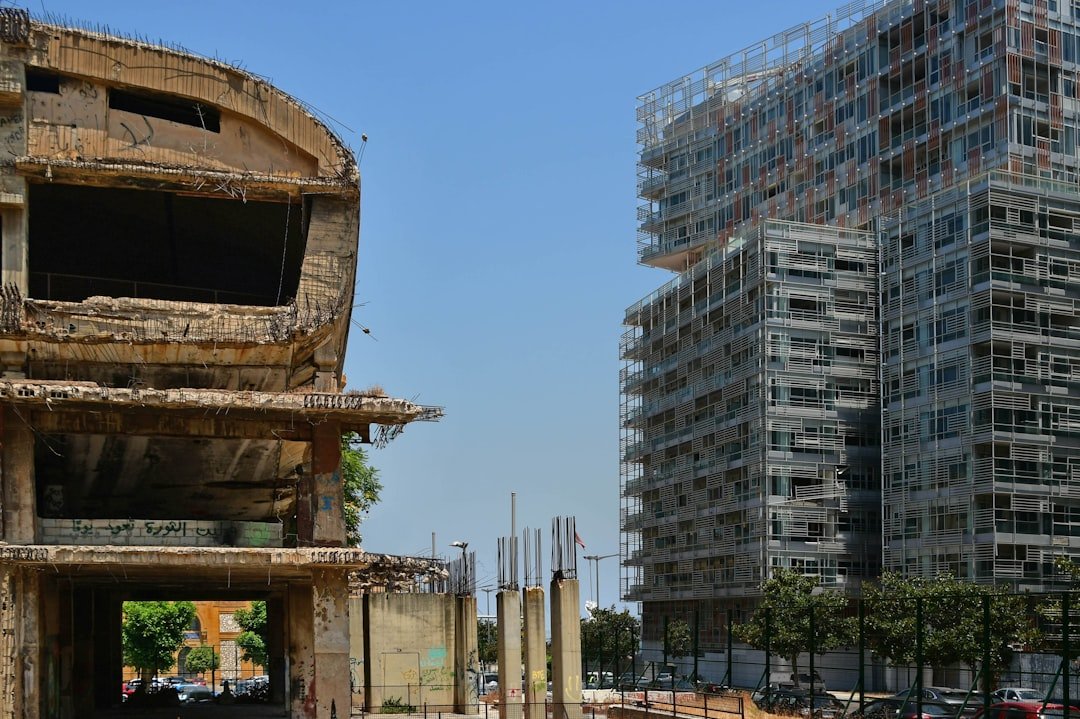
Nearly 40,000 Homes in Ruins Signal Massive Toll (Image Credits: Unsplash)
Southern Lebanon – Displaced families ventured back this week to confront shattered homes and the rumble of Israeli bulldozers carving out a contested buffer zone across dozens of towns and villages. A temporary ceasefire took effect in mid-April, yet military operations persisted unabated.[1] Diplomats acknowledged the pause served more as a tactical breather than a pathway to lasting peace. Reports highlighted a deepening divide between diplomatic rhetoric and harsh ground realities.
Nearly 40,000 Homes in Ruins Signal Massive Toll
Preliminary assessments revealed the staggering scale of destruction from weeks of intensified strikes. Lebanese authorities estimated close to 40,000 homes destroyed or severely damaged.[1] Residents described unrecognizable streets, prompting some to flee once more amid the devastation.
The Lebanese health ministry reported over 2,100 deaths and 7,000 injuries since early March, including numerous women, children, and health workers. Attacks targeted ambulances and medical facilities more than a hundred times. BBC Verify confirmed the loss of over a thousand buildings. Hezbollah operations resulted in fewer Israeli civilian casualties, alongside soldier deaths in combat.[1][2]
Buffer Zone Emerges as Ceasefire’s Core Flaw
Israeli officials dubbed the area a ‘yellow line,’ extending deep into Lebanese territory and placing villages under effective control. Troops turned back families attempting to enter these zones. Infrastructure like water systems, power lines, roads, and bridges lay systematically dismantled, including a vital link connecting the south to central Lebanon just before the truce began.[1]
Prime Minister Benjamin Netanyahu declared the security zone essential against northern threats, with forces set to remain indefinitely. Defence Minister Israel Katz noted persistent fighters and weapons between the buffer and Litani River, vowing completion through diplomacy or force. Satellite imagery captured the leveling of towns, underscoring the operations’ scope.[2][3]
Hezbollah’s Shadow Undermines the Deal
The Trump administration brokered the limited-term agreement, extendable by consent, to foster permanent talks. Yet Hezbollah, the Iran-backed militia central to the clashes, stood apart as a non-signatory outside Lebanese state control. The group expressed readiness to comply but conditioned disarmament on national defense pacts and wider regional deals involving Tehran.[1][4]
Iran welcomed the truce while linking it to its own U.S. tensions. Lebanon lacked tools to enforce Hezbollah disarmament or block Israeli actions justified by the group’s presence. This mismatch turned the ceasefire into a stage for renewed pressure rather than de-escalation.
Direct Talks Test Fragile Hopes
Rare direct negotiations unfolded in Washington, the first sustained dialogue in decades. Lebanese Prime Minister Nawaf Salam hailed the pause as a chance for returns and reconstruction. Netanyahu eyed historic peace, demanding disarmament, formalized buffers, and robust verification.[1][5]
- Israel seeks Hezbollah disarmament and permanent security buffers.
- Lebanon prioritizes full withdrawal, aid for rebuilding, and southern governance.
- Political constraints limit concessions on both sides.
- Netanyahu’s cabinet approved the deal hastily, without full vote.
Beirut pushed for Israeli exit and funding, while Tel Aviv insisted on clearing threats. Domestic pressures hampered flexibility.
Key Takeaways
- Ceasefire began April 16 but demolitions continue, expanding the buffer zone.
- Hezbollah’s non-involvement creates enforcement gaps.
- Displacement and damage could take years to repair, even if truce holds.
The pattern of ceasefires as tactical resets rather than resolutions risks entrenching occupation under peace guise, with lessons for Gaza and the West Bank. Southern Lebanese sift through rubble not just from war, but from a truce designed to falter. Watch for bulldozer pauses, Hezbollah restraint, and talk outcomes to gauge the next phase. What do you think lies ahead for this volatile border? Tell us in the comments.