

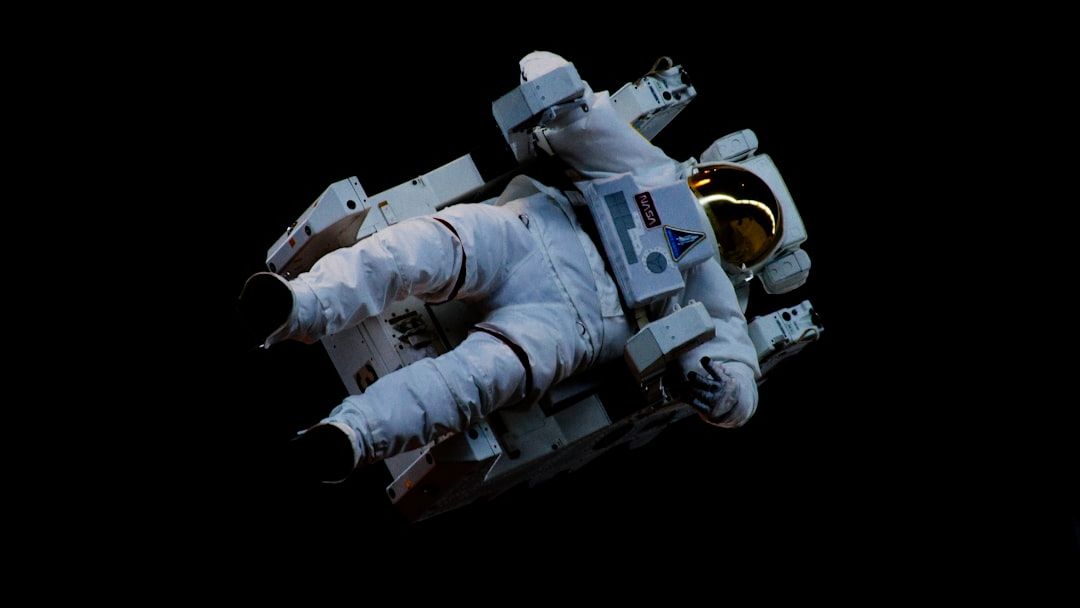
NASA’s Identified Hazards in Human Spaceflight (Image Credits: Unsplash)
Extended stays in space exact a heavy toll on the human body and mind, as astronauts confront relentless environmental pressures far from Earth’s protective embrace. Researchers have pinpointed key threats like radiation exposure, the absence of gravity, and profound isolation that erode physical strength and mental resilience over time. Efforts to counter these dangers now drive much of NASA’s human spaceflight program, with ongoing studies revealing both vulnerabilities and potential solutions.
NASA’s Identified Hazards in Human Spaceflight
Experts at NASA have outlined five primary hazards that define the risks of space travel. These include space radiation, isolation paired with confinement, vast distances from Earth, altered gravity fields, and hostile or sealed environments.[1][2] Each factor compounds the others, creating a multifaceted challenge for missions lasting months or years.
Recent investigations, including those from the International Space Station, underscore how these elements interact. For instance, prolonged exposure in a controlled yet cramped habitat amplifies stress from separation and microgravity alike. Countermeasures remain a focus, with ground-based analogs simulating conditions to test interventions before launch.
Microgravity’s Profound Physical Toll
Without gravity’s constant pull, the body undergoes rapid changes that mimic accelerated aging. Fluids shift upward, causing facial puffiness and reduced leg volume, while bones lose density at rates up to 1-2% per month – far exceeding postmenopausal osteoporosis.[3] Muscles atrophy without resistance, and vision can suffer from Spaceflight-Associated Neuro-ocular Syndrome, affecting up to 70% of long-term crew members.
Cardiovascular adaptations also emerge, with hearts shrinking slightly and blood flow altering in ways that complicate return to Earth. Studies from 2025 highlight mitochondrial dysfunction as a central mechanism behind these shifts.[4] Exercise regimens, including advanced treadmills and resistance devices, form the backbone of current countermeasures, though full recovery often takes weeks post-mission.
| Hazard | Main Effects | Emerging Countermeasures |
|---|---|---|
| Microgravity | Bone/muscle loss, fluid shifts, vision impairment | Exercise devices, pharmacological aids |
| Radiation | Cancer risk, immune weakening, CNS damage | |
| Isolation | Stress, sleep disruption, cognitive dips | VR simulations, crew selection |
Radiation Exposure: Cancer and Beyond
Cosmic rays and solar particles bombard spacecraft beyond low-Earth orbit, delivering doses equivalent to hundreds of chest X-rays annually. This elevates lifetime cancer odds and triggers central nervous system effects like cognitive fog or neurodegeneration.[6] Immune cells suffer damage, heightening infection vulnerability during missions.
Shielding advancements lag, prompting research into radioprotective drugs and dietary antioxidants. A 2026 review emphasized proton irradiation models mimicking deep-space travel to refine protections.[7] Still, uncertainties persist for Mars voyages, where exposure could triple compared to the ISS.
Isolation and Psychological Pressures
Confined quarters and delayed Earth communication foster stress, irritability, and sleep woes, disrupting circadian rhythms. Analog studies in Antarctica reveal interpersonal tensions and mood swings as common, potentially impairing decision-making.[5] Long missions amplify these, with fatigue compounding physical strains.
Virtual reality for Earth-like escapes and rigorous psychological screening help mitigate risks. Journals and vigilance tests track behavioral shifts, informing real-time support. Yet, combined stressors like radiation and microgravity may worsen neurobehavioral outcomes, demanding integrated strategies.[8]
Key Research Frontiers: Mitochondrial roles in multi-hazard effects; pharmacological preventives; Earth analogs for isolation.
As Artemis and commercial ventures push boundaries, these challenges underscore the need for resilient countermeasures. Progress from ISS data promises safer deep-space travel, but gaps in long-term data persist, urging continued vigilance.