

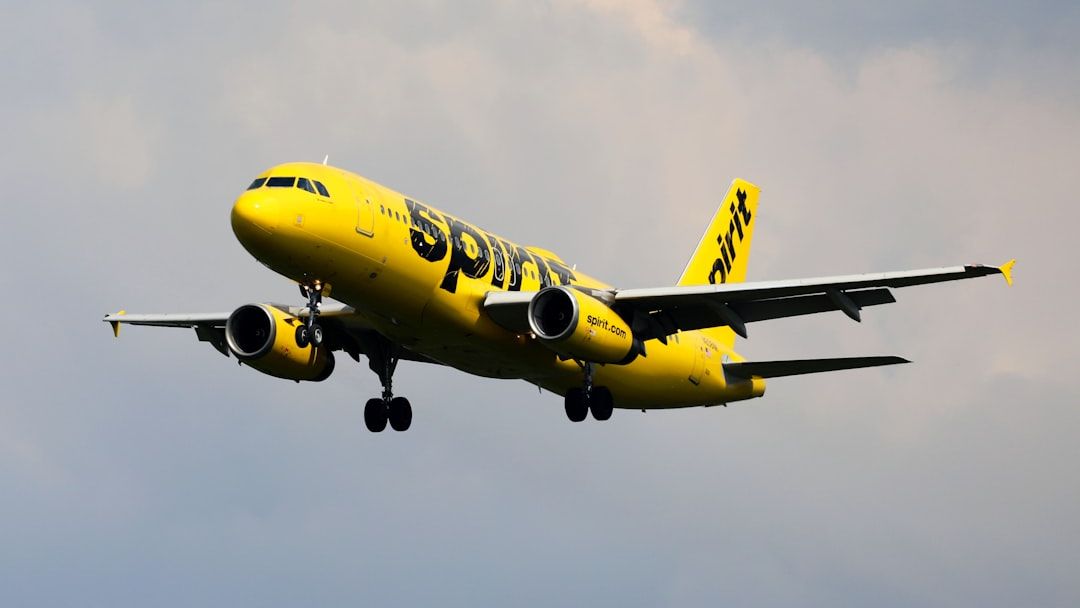
What to know about the Spirit Airlines shutdown – Image for illustrative purposes only (Image credits: Unsplash)
Thousands of passengers discovered their travel plans derailed overnight when Spirit Airlines halted operations at 3 a.m. Eastern Time on May 2, 2026.[1][2] Families bound for vacations and business travelers alike faced canceled flights with little notice, while roughly 17,000 employees learned their jobs had vanished. The budget carrier’s abrupt wind-down after 34 years marked the first major U.S. airline shutdown in a quarter-century, raising questions about affordability in air travel.[3]
Final Hours Seal a Pioneer Carrier’s Fate
In a tense war room at its Dania Beach, Florida headquarters, Spirit executives monitored the last flights as bailout hopes faded. Around 11:30 p.m. on May 1, managers notified Orlando operations staff that flying would stop at 3 a.m. the next day. Dispatcher Wes Egan, with 23 years at the airline, texted a pilot: “UNOFFICIALLY WE STOP FLYING AT 0300 EST ON 05/02. GODSPEED MY FRIEND.”[2]
The final flight, NK1833 from Detroit to Dallas-Fort Worth with 175 passengers aboard, touched down after midnight. Air traffic controllers wished the crew well, confirming no more Spirit arrivals followed. By dawn, the airline’s website declared all flights canceled and customer service unavailable, displaying a message of regret after decades of service.[1] Spirit had already canceled international routes the previous Thursday to avoid stranding planes and crews abroad.
Failed Bailout and Mounting Pressures Force Closure
Spirit Airlines cited a “sudden and sustained rise in fuel prices” as the breaking point, leaving it without the hundreds of millions needed to continue. Jet fuel costs had doubled to about $4.51 per gallon amid the Iran war’s disruptions in the Strait of Hormuz.[3] The carrier, which pioneered ultra-low fares, had racked up over $2.5 billion in losses since 2020, filed for Chapter 11 bankruptcy twice – in November 2024 and August 2025 – and carried $8.1 billion in debt.
A proposed $500 million rescue from the Trump administration collapsed when bondholders rejected terms that would have given the government up to 90% equity. U.S. Transportation Secretary Sean Duffy noted the impasse, stating the creditors held the final say. Earlier policy decisions, including the Biden-era block of a JetBlue merger, compounded the struggles, as did engine issues and fierce competition from larger rivals.[1][2]
Passengers Left Scrambling for Alternatives
Amanda Daniel and her family from Tennessee drove hours to Atlanta after their Nashville-to-Fort Lauderdale flight vanished, securing pricier Delta seats for a Disney cruise. Tisha Savage, stranded at Fort Lauderdale-Hollywood International, eyed $400-plus fares home or a cheap but delayed Allegiant option weeks out.[4] Spirit flew over 50,000 passengers the day before shutdown, with more than 800,000 seats wiped out in the following two weeks alone.
Refunds process automatically for credit card purchases, but voucher or points users must file bankruptcy claims with agent Epiq. The U.S. Department of Transportation urged chargebacks and travel insurance checks for insolvency coverage. Competing airlines stepped in with rescue fares:
- United: $199-$299 one-way, rebooked 14,000 passengers.
- JetBlue: $99 fares for 72 hours.
- Southwest: Special counter rates through May 6.
- Delta and American: Capped fares on affected routes.
Proof of Spirit booking is required, though availability remains tight.[5]
Thousands of Workers Face Uncertain Futures
Captain Jon Jackson, set for a retirement flight, hitched a Southwest ride home amid applause from staff. Unions like the Air Line Pilots Association and flight attendants’ group demanded vacation pay, per diems, and federal unemployment supplements. “The pain of this decision will not be felt in boardrooms,” wrote pilot union leader Jason Ambrosi.[2]
Other carriers offered priority hiring and repatriation help for over 1,300 crew members. The losses ripple to communities reliant on Spirit’s hubs in Las Vegas, Orlando, and Fort Lauderdale, where the airline held about 4% of the U.S. market.[1]
Industry Shifts Promise Higher Costs Ahead
CBS News transportation correspondent Kris Van Cleave and travel editor Peter Greenberg highlighted the void left by Spirit. Greenberg warned that reduced capacity amid steady demand would drive fares up, especially with fuel spikes: “Airfares have nowhere to go but up.”[5] Analysis showed 23% round-trip increases on routes Spirit abandoned.
Rivals like Frontier and JetBlue plan expansions, but analysts predict short-term gaps before summer peaks. Spirit’s CEO Dave Davis reflected, “Sustaining the business required… liquidity that Spirit simply does not have.”[4] The episode underscores vulnerabilities in budget travel, where thin margins meet global shocks.
As airports clear the last yellow jets from tarmacs, everyday flyers who prized Spirit’s bare-bones bargains now confront a pricier sky. For the workers and passengers upended, recovery hinges on swift refunds and new opportunities – outcomes still unfolding in bankruptcy court and hiring lines.