

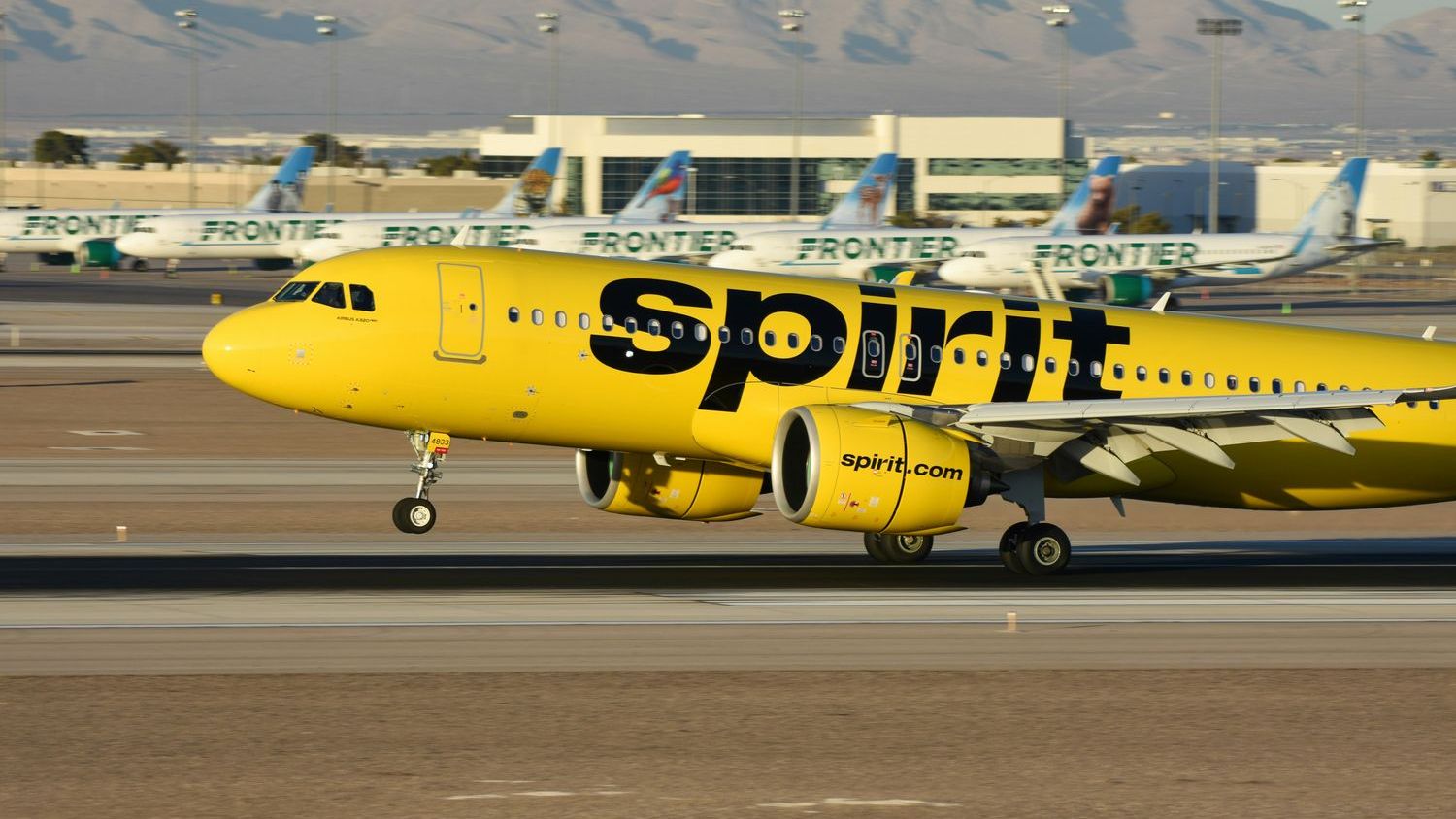
Spirit Airlines poised to cease operations as soon as Saturday, barring last minute intervention – Image for illustrative purposes only (Image credits: Unsplash)
Planes from Spirit Airlines lifted off from runways across the United States on Friday amid mounting uncertainty. The budget carrier, a fixture in the skies for nearly two decades, confronted a dire cash shortage that positioned it to halt operations as early as Saturday morning. Without last-minute intervention, thousands of passengers faced the prospect of stranded travel plans and widespread disruption.[1][2]
A Timeline of Financial Strain
Spirit Airlines pioneered the ultra-low-cost model in 2006 with unbundled fares and add-on fees. The carrier expanded rapidly but encountered persistent losses, exacerbated by competition and heavy debt. A blocked $3.8 billion merger with JetBlue in 2024 marked a turning point, leading to Chapter 11 bankruptcy filings, including one last August.[2]
Rising jet fuel costs, doubled by the U.S.-Iran war, further eroded viability. Spirit shrank its fleet, cut routes, and raised fares while accounting for 3.9% of domestic air travel earlier this year. A restructuring agreement in March aimed for emergence from bankruptcy, but surging fuel prices – now over 80% higher than anticipated – undermined those efforts.[3][4]
By late April, cash reserves dwindled to cover only a few days of operations. The airline continued selling deeply discounted tickets even as preparations for wind-down advanced.[1]
Bailout Negotiations Stall in Final Hours
The Trump administration explored a $500 million infusion, potentially convertible to a 90% equity stake via warrants. Discussions invoked the Defense Production Act for emergency funding. President Trump commented, “Well, I guess we’re looking at it. If we can do it, we’ll do it but only if it’s a good deal.”[1][2]
Bondholders, including Ares Management and Cyrus Capital, opposed the terms, viewing them as detrimental. Citadel’s counterproposal met rejection. Internal administration disagreements over funding sealed the impasse. Officials received word of an imminent shutdown, with no further bailout push planned. A Spirit spokesperson emphasized normal operations on Friday, declining further comment.[3]
Stranded Travelers and Refund Realities
A halt around 3 a.m. ET Saturday would ground flights from Spirit’s network of over 40 U.S. cities and Latin American destinations, centered at Fort Lauderdale-Hollywood International Airport. Passengers holding future tickets risked chaos, though federal rules entitled them to refunds for undelivered service.[1]
Credit card users held the strongest recourse: dispute charges without canceling tickets first. Experts advised retaining itineraries for rebooking. Cash or debit payers faced steeper hurdles, while loyalty points offered no transfer options. Travel insurance often excluded insolvency, especially post-bankruptcy purchases labeled “known events.”[5][4]
Competitors stepped up: United prepared support for customers and staff; American capped fares on overlapping routes; JetBlue and Frontier pledged assistance. Rescue fares emerged, though costlier than Spirit’s rates and unavailable everywhere. Eric Rosen of The Points Guy urged, “Watch what happens very closely, and if the airline ceases operation, call the credit card you used to buy the ticket and dispute the charge.”[5]
- Do not cancel Spirit tickets prematurely – protections vanish.
- Dispute credit card charges citing non-delivery.
- Keep booking confirmations for rival airline rebookings.
- Monitor announcements from United, American, JetBlue, and Frontier.
- Search flexible alternatives via tools like Google Flights.
Julian Kheel of Points Path added, “Canceling your ticket now without a promise of a refund will eliminate all protections. Instead, hang on to your ticket and file a chargeback with your bank.”[5]
Broader Ripples for Air Travel
Spirit’s exit would shrink capacity, driving fares higher. A CBS analysis revealed 23% round-trip increases – about $60 – on routes after Spirit departed, with 20% fewer passengers. Peter Greenberg, CBS travel editor, noted, “Any time you have a reduction in capacity and demand increases, airfares have nowhere to go but up.”[5]
Low-cost rivals like Frontier, Avelo, Breeze, and Allegiant might expand into vacated markets within three to six months. Henry Harteveldt of Atmosphere Research observed that summer schedules limited immediate responses, compounding fuel-driven hikes.[5]
The carrier’s collapse underscored vulnerabilities in the budget sector, where thin margins met geopolitical shocks. Employees, too, awaited uncertain futures amid rival hiring overtures.
As Saturday dawned, the aviation landscape hung in balance. A last-minute creditor shift or private rescue remained possible, though prospects dimmed. Travelers and industry watchers braced for fallout from a once-disruptive force now at risk of vanishing entirely.