

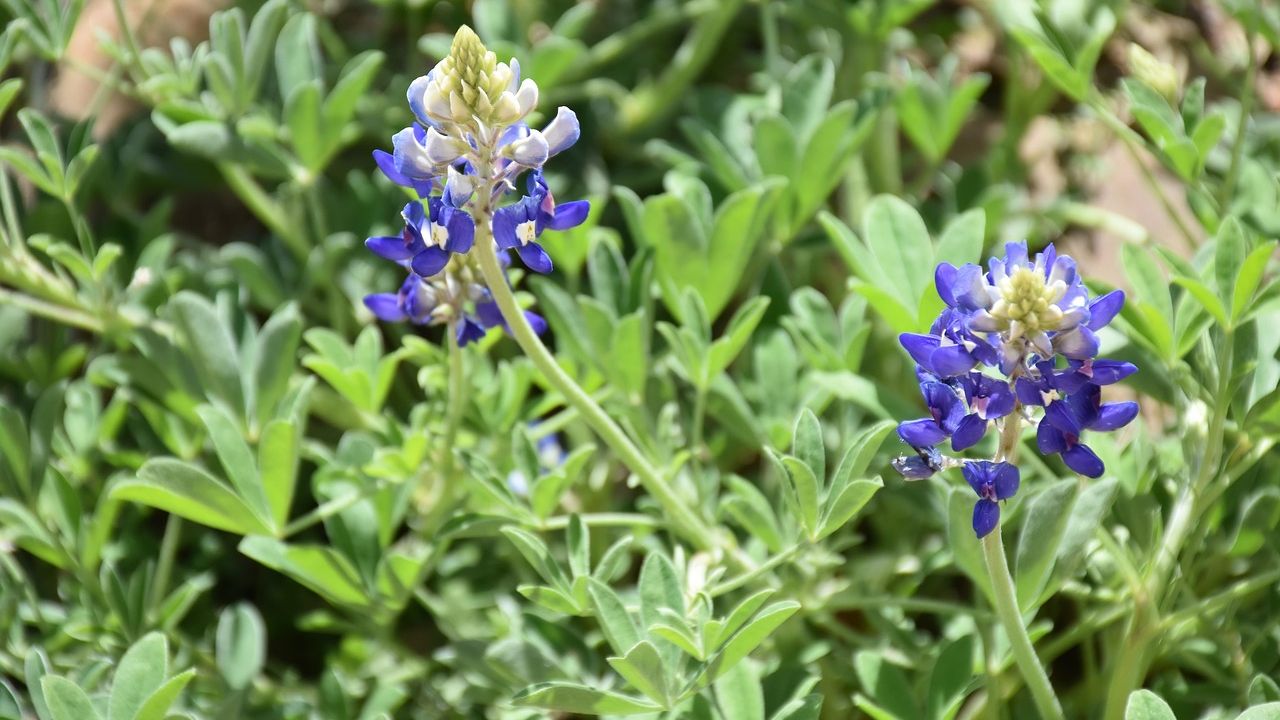
Celebrate America’s 250th birthday at a new state flower exhibit – Image for illustrative purposes only (Image credits: Pixabay)
Washington, D.C. – Families wander through lush conservatories, pausing to identify the delicate bluebonnet of Texas or the rugged saguaro blossom from Arizona. The U.S. Botanic Garden has transformed into a living tapestry of the nation’s identity with its new exhibit on official state flowers. Open daily through October 12, 2026, the display draws visitors eager to connect with their home states amid celebrations for America’s semiquincentennial.[1][2]
A Coast-to-Coast Floral Journey
The exhibit features living examples of the official flowers chosen by all 50 states, the District of Columbia, and U.S. territories, totaling 56 distinct symbols. These plants appear throughout the Conservatory and outdoor gardens, each accompanied by signs detailing their significance. Roses claim multiple states, including New York and North Dakota, while magnolias represent Louisiana and Mississippi.[1]
Visitors encounter a striking variety, from the fragrant sweetbay magnolia of Georgia to Minnesota’s pink and white lady’s slipper orchid. The goldenrod of Kentucky and Nebraska nods to prairie resilience, and Wyoming’s Indian paintbrush adds a splash of wild color. This arrangement highlights how each region imprints its landscape on the national story.[1]
Paper Artistry Brings Every Bloom to Life
Complementing the live specimens, botanical artist Emily Paluska crafted intricate paper recreations of all 56 flowers. Her detailed works, previously displayed at the Smithsonian and featured in HGTV magazine, ensure every symbol shines regardless of season. These artistic pieces form a stunning centerpiece, capturing nuances like the veining on Alabama’s camellia or the petals of Florida’s orange blossom.[1][3]
Botanical illustrations and a book of herbarium specimens from U.S. collections further enrich the experience. Pressed examples preserve historical references, allowing close study of textures and structures. Together, these elements create an immersive gallery that appeals to botanists and casual strollers alike.
Interactive Map Turns Visiting into a Scavenger Hunt
An interactive map guides guests to each flower’s location across the grounds, turning exploration into an engaging quest. Users can zoom in to pinpoint displays, making it simple for out-of-towners to find their state’s pride. For instance, Idaho’s syringa awaits in one garden, while Puerto Rico’s flor de maga graces another.[1]
This feature proves especially popular with school groups and families, fostering conversations about regional heritage. Children delight in spotting Hawaii’s ma‘o hau hele hibiscus or Alaska’s forget-me-nots, bridging personal stories with botanical facts. The garden’s free admission and 10 a.m. to 5 p.m. hours make repeat visits feasible throughout the summer.[2]
| Region | State/Territory | Official Flower |
|---|---|---|
| South | Texas | Bluebonnet (Lupinus spp.) |
| South | South Carolina | Yellow jasmine (Gelsemium sempervirens) |
| West | California | California poppy (Eschscholzia californica) |
| West | Arizona | Saguaro cactus flower (Carnegiea gigantea) |
| Midwest | Kansas | Sunflower (Helianthus annuus) |
| Northeast | Massachusetts | Mayflower (Epigaea repens) |
Layered History and Learning Opportunities
Nearby, the Bartholdi Gardens house the Fountain of Light and Water, sculpted in 1876 by Frederic Auguste Bartholdi – the same artist behind the Statue of Liberty – for America’s centennial exposition. Now marking its 150th year, the fountain adds a historical echo to the 250th anniversary festivities. Its presence invites reflection on continuity amid change.[3]
The garden offers workshops led by Emily Paluska, drop-in demonstrations, and online talks to deepen understanding. These programs explore flower selection stories, from schoolchildren’s votes to legislative choices. Such initiatives ensure the exhibit educates while entertaining, drawing diverse crowds to the National Mall.[1]
As the nation gears up for July 4 milestones, this floral showcase offers a serene counterpoint to grand parades. It reminds visitors that America’s strength lies in its varied roots, much like the diverse blooms thriving under one glass roof. Plan a trip via the U.S. Botanic Garden site to experience the full bouquet.[1]