

What Box Breathing Actually Is

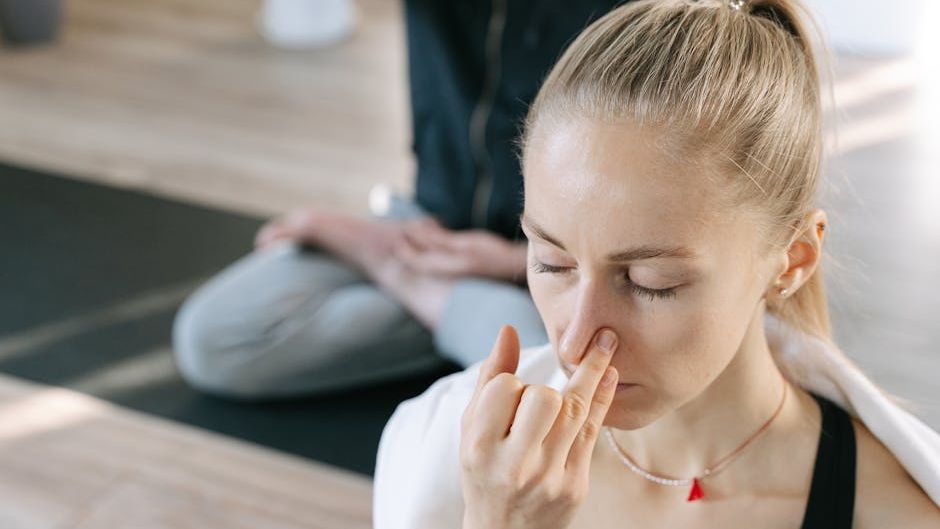
Box breathing, also called square breathing or tactical breathing, is a controlled breathing pattern built on four equal phases: inhale, hold, exhale, hold. Each phase lasts the same duration, typically four seconds, creating a “box” of four identical sides.
Box breathing became a cornerstone of Navy SEAL training through Mark Divine, a retired SEAL Commander who introduced it to BUD/S (Basic Underwater Demolition/SEAL) training in the early 2000s. It wasn’t invented in a lab. It was refined through the most extreme stress environments imaginable.
Unlike more complex breathing techniques that require counting different ratios or coordinating with physical movements, box breathing has one rule: four equal beats. This makes it learnable in 30 seconds and executable under the most extreme stress conditions, which is precisely why the military adopted it.
The Amygdala: Your Brain’s Alarm System

The amygdala is a small, almond-shaped cluster of neurons located deep in the brain’s limbic system. It acts as our emotional alarm system, constantly scanning for threats. If it detects danger, whether it’s a snarling dog, a harsh email from your boss, or even a raised eyebrow, it reacts instantly.
The symptoms of an amygdala hijack are caused by the body’s chemical response to stress. When you experience stress, your brain releases two kinds of stress hormones: cortisol and adrenaline. Both of these hormones, which are released by the adrenal glands, prepare your body to fight or to flee.
Research suggests an inverse relationship between the amygdala and the prefrontal cortex: when the amygdala is activated, the prefrontal cortex is less activated. In other words, when panic rises, rational thought falls. The two systems pull in opposite directions, and under threat, the amygdala usually wins.
Why Stress Kills Clear Thinking
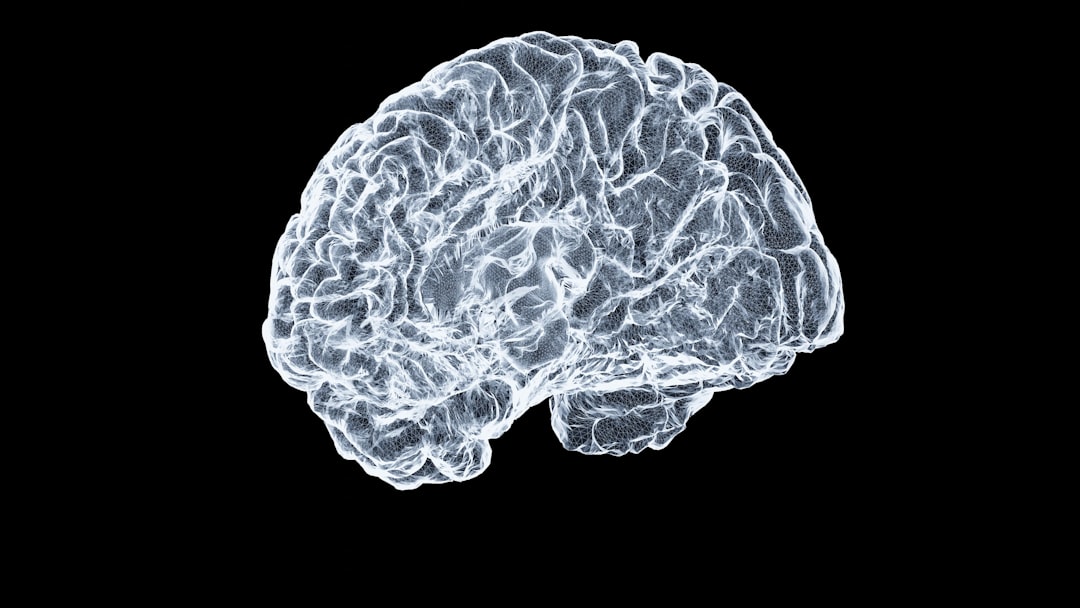
When people face high-stakes decisions, the brain triggers a fight-or-flight response, activating the amygdala. This response increases cortisol and adrenaline, which can narrow focus and reduce access to the prefrontal cortex, the brain’s center for rational thinking and planning. Consequently, leaders may experience “amygdala hijacking,” where emotion-driven reactions overpower logic.
Acute stress causes a shift from executive to automated behavior. A key executive function suffering from this shift is working memory. Working memory is mainly negatively affected in the first ten and more than twenty-five minutes after acute stress. These phases coincide with increased central levels of noradrenaline and cortisol. Increased levels of both hormones can cause a relative deactivation in prefrontal areas related to working memory processing. (Geissler et al., 2025, Trier University)
Research on occupational stress consistently links sustained sympathetic activation with reduced executive function (Arnsten, 2015). The prefrontal cortex, which handles abstract reasoning, planning, and impulse control, is genuinely impaired by high cortisol and catecholamine levels. You are not imagining that you think less clearly when you are stressed, the neurobiology confirms it.
The Vagus Nerve: The Hidden Pathway

The key player in box breathing is the vagus nerve, the longest cranial nerve in the body, running from the brainstem through the throat, heart, and abdomen. When you exhale slowly and hold with empty lungs, you stimulate the vagus nerve, which triggers a parasympathetic response: heart rate slows, blood pressure drops, muscles relax, and the stress hormones cortisol and adrenaline begin to clear from your bloodstream. The four-second exhale and four-second hold in box breathing provide a sustained vagal stimulus that is long enough to produce a measurable shift in autonomic tone.
Unlike heart rate or cortisol levels, breathing is the only vital function that operates automatically but can also be consciously overridden. By deliberately taking control of your breath, you directly stimulate the vagus nerve, the primary cranial nerve responsible for transmitting parasympathetic signals to the heart, lungs, and digestive tract.
What Happens in the Brain During the 4-Second Count
Counting to four on each phase requires just enough cognitive engagement to activate the prefrontal cortex, the rational, decision-making part of the brain that goes offline during acute stress. When you’re in a panic, the amygdala has hijacked your brain, and the prefrontal cortex is essentially disconnected. The counting in box breathing provides a back door: it gives the prefrontal cortex something to do, which gradually reasserts its authority over the amygdala. This is why box breathing not only calms you down but also restores your ability to think clearly.
The structured counting occupies the prefrontal cortex, the thinking brain, while the slow rhythm activates the parasympathetic nervous system. This dual action interrupts the amygdala’s fear response, allowing SEALs to stay calm and make clear decisions under fire.
The CO2 Connection Nobody Talks About
Many of the physical symptoms of anxiety, including tingling, lightheadedness, chest tightness, and breathlessness, are caused not by a lack of oxygen but by an excess of oxygen relative to carbon dioxide. Hyperventilation expels too much CO2, causing respiratory alkalosis, a shift in blood pH that produces these uncomfortable sensations. The breath holds in box breathing prevent CO2 from being expelled too rapidly.
When you hold your breath, CO2 levels in your blood increase, which increases the cardioinhibitory response, lowering your heart rate. This activates the parasympathetic nervous system, resulting in a calming and relaxing effect. It’s a physiological feedback loop working in your favor rather than against you.
The breath holds, both with full and empty lungs, gently increase your carbon dioxide tolerance. Most anxious breathing is driven by an oversensitivity to CO2: your brain detects a slight rise in CO2 and triggers an urgent “breathe now” signal that produces rapid, shallow breathing. Box breathing essentially retrains that response over time.
The Heart Rate Variability Effect

Heart rate variability, the variation in time between consecutive heartbeats, is one of the most important biomarkers of stress resilience. Higher HRV indicates a nervous system that can shift flexibly between activation and relaxation. Lower HRV is associated with chronic stress, anxiety, depression, and increased cardiovascular risk. Box breathing has been shown to rapidly increase HRV.
When you slow your breathing rate to around five to six breaths per minute, you’re engaging a phenomenon called respiratory sinus arrhythmia. This is the natural variation in heart rate that occurs with each breath cycle. Inhalation activates the sympathetic nervous system, briefly increasing heart rate. Exhalation activates the parasympathetic nervous system via the vagus nerve, slowing heart rate. By pacing these phases evenly, box breathing creates a rhythmic oscillation between sympathetic and parasympathetic tone.
A 2025 study comparing box breathing to other protocols found that breathing at six breaths per minute produced the strongest HRV increases, though box breathing still showed measurable effects. The evidence is real, even if box breathing is not the singular champion of all breathing protocols.
How SEALs Actually Use It in the Field

SEALs use box breathing before high-stakes missions, during underwater drownproofing exercises, and in any situation where panic could be fatal. This context matters: these aren’t controlled relaxation sessions. They’re life-or-death moments where the technique has to work on demand.
Drownproofing, a drill that involves floating and submerging vertically in water with wrists and ankles bound, is part of Navy SEAL training. This ordeal requires intense breath control to help participants keep calm and override the body’s fight-or-flight response.
Navy SEALs don’t learn box breathing during combat. They practise it hundreds of times in training so that it becomes reflexive when they need it. That’s the real lesson here: repetition in calm conditions is what makes the skill available in chaos.
What the Research Actually Shows (Honestly)

The honest answer is that the evidence base for box breathing specifically is smaller than its reputation suggests. Most of the strong research covers slow-paced breathing broadly, defined as breathing at approximately five to six breath cycles per minute, which is roughly what box breathing at a four-count produces.
One study compared box breathing to mindfulness meditation and diaphragmatic breathing in reducing acute anxiety. The study found that all three interventions reduced anxiety and improved mood, but breathwork produced greater reductions in respiratory rate than meditation. Box breathing was effective, but not significantly more so than other breathing protocols. This suggests that the key variable is respiratory rate, not the specific pattern of breath holds.
Studies on slow-paced breathing interventions show measurable improvements in attention, working memory, and emotional regulation after even brief practice sessions (Steffen et al., 2017). The science supports the category of slow, deliberate breathing strongly. Box breathing happens to be one of the most practical and memorable ways to do it.
Making It a Daily Practice, Not Just an Emergency Tool

Box breathing is most powerful as a daily practice rather than an emergency-only tool. Like any skill, the more you practise in calm conditions, the more automatically it activates in stressful ones. Navy SEALs don’t learn box breathing during combat: they practise it hundreds of times in training so that it becomes reflexive when they need it.
Breathwork can reduce heart rate and blood pressure, increase heart rate variability, and calm or energize, depending on how you do it. Its benefits are two-fold: daily sessions can have positive long-term effects, and there is a growing body of research that supports using breathwork for mental and physical resilience, but its short-term effects are also powerful. Conscious breathing can start to regulate cortisol in moments, overriding the fight-or-flight response and offering a quick fix in times of stress.
Within its appropriate scope, box breathing is one of the more evidence-aligned, practically executable interventions available. It costs nothing, requires no equipment, has no side effects at normal practice intensities, and can be deployed in the exact moments and locations where stress actually peaks, which is rarely in a yoga studio.
Conclusion: Four Seconds Is Enough

The gap between knowing about a technique and actually using it is the only thing standing between most people and its benefits. Box breathing doesn’t require a calm room, a meditation cushion, or a therapist on speed dial. It requires four seconds and the willingness to count.
What SEALs understood long before the neuroscience caught up is that the breath is the fastest accessible lever for the nervous system. The amygdala is fast and powerful, but it isn’t immune to a quiet, steady exhale. Taken together, the physiology, the field evidence, and the growing body of research all point in the same direction.
Sometimes the most sophisticated tool available is simply learning to breathe on purpose.