


On April 29, 2019, a radio telescope in New South Wales, Australia picked up something unusual. It was narrow, it drifted, and it appeared to come from the direction of our closest stellar neighbor. For a few months, nobody quite knew what it was.
That detection eventually became one of the most scrutinized signals in the history of the search for extraterrestrial intelligence. It was called BLC1, and the story of what scientists found, and what they concluded, says a great deal about how hard this search actually is.
What BLC1 Actually Is
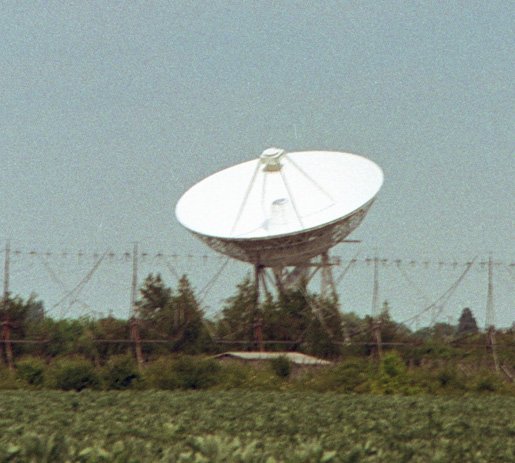
BLC1, or Breakthrough Listen Candidate 1, was a candidate SETI radio signal detected and observed during April and May 2019, and first reported on December 18, 2020, spatially coincident with the direction of Proxima Centauri, the Solar System’s closest neighboring star. The timing of its public disclosure, more than a year after detection, reflects just how carefully scientists handled it before saying anything publicly.
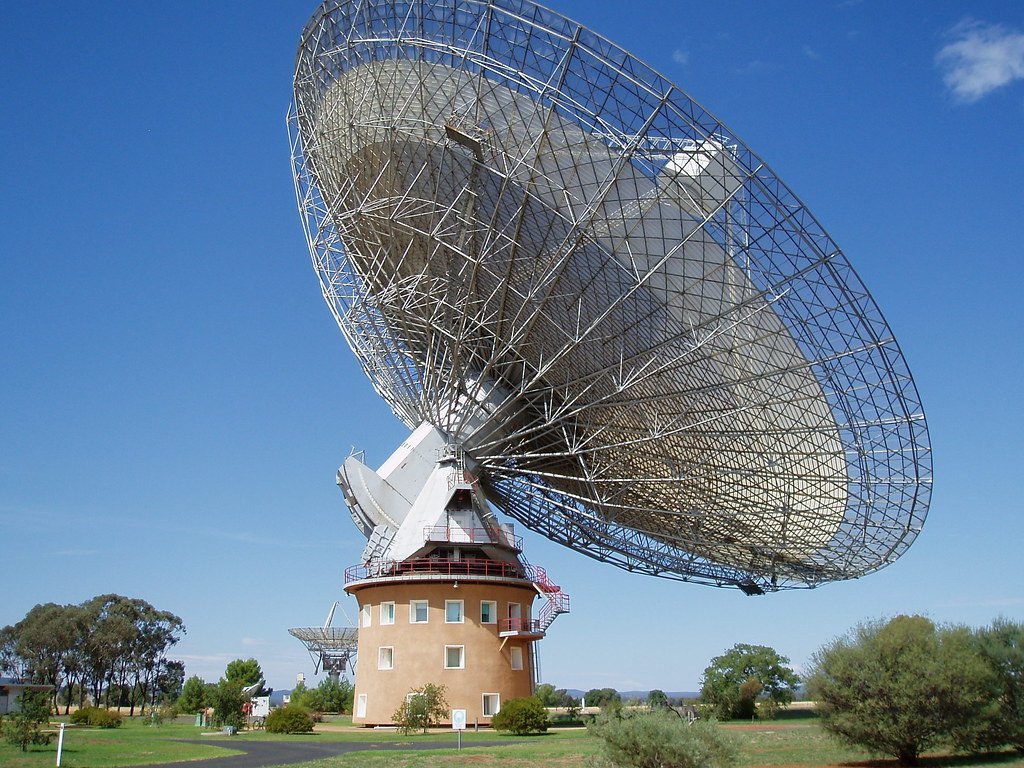
The Breakthrough Listen SETI project observed Proxima Centauri with the Parkes “Murriyang” radio telescope, and within that data, researchers found a narrowband signal with characteristics broadly consistent with a technosignature near 982 MHz. In radio astronomy, narrowband signals are rare in nature. Most astrophysical sources broadcast across a wide range of frequencies. A tight, focused signal like this one raises eyebrows.
BLC1 had characteristics broadly consistent with hypothesized technosignatures and was described as one of the most compelling candidates to date, though analysis ultimately attributed it to being an unusual but locally generated form of interference.
Why Proxima Centauri Is Such a Compelling Target

Proxima Centauri b is an exoplanet orbiting within the habitable zone of the red dwarf star Proxima Centauri in the constellation Centaurus, and its host star is the closest star to the Sun, at a distance of about 4.2 light-years from Earth. That proximity alone makes any anomalous signal from that direction worth taking seriously.
An international team of astronomers from the Pale Red Dot campaign found evidence of a potentially habitable world orbiting the closest star to Earth, with the planet named Proxima b having a minimum mass of 1.3 times that of Earth and orbiting its parent star every 11.2 days, receiving about 70 percent of the energy Earth receives from the Sun. For SETI researchers, a nearby star with a planet in its habitable zone is essentially a priority target.
Proxima Centauri has garnered particular interest in SETI due to its proximity and the presence of at least one known exoplanet, Proxima b, which lies within the star’s habitable zone. It’s the kind of system that, if you were going to point a telescope somewhere and hope, this would be near the top of the list.
The Frequency Drift That Caught Everyone’s Attention
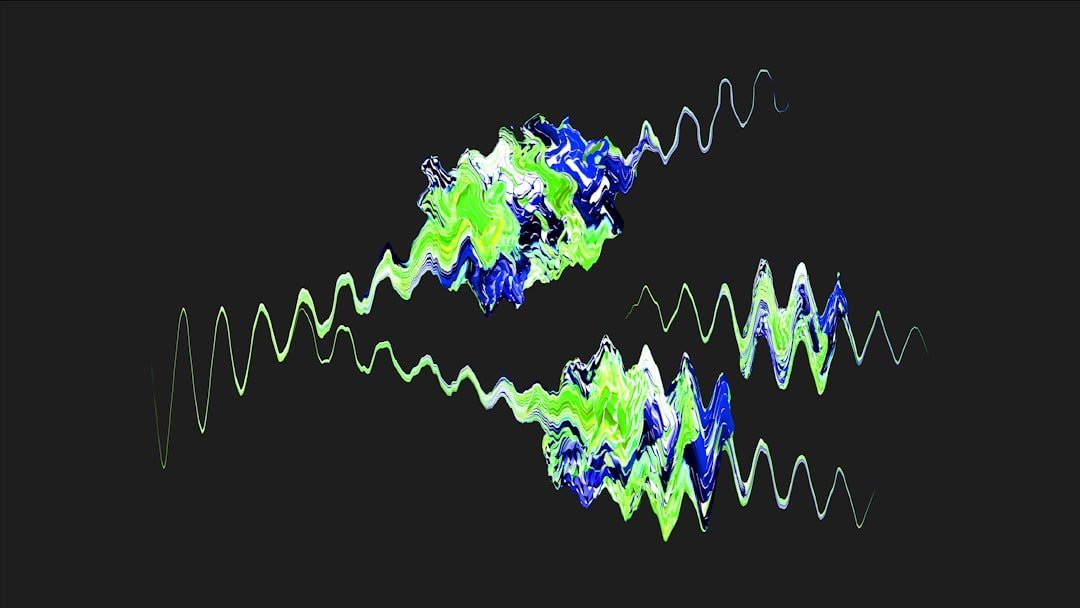
What really made BLC1 exciting was that its frequency changed. For a similar reason that an ambulance’s siren sounds higher-pitched when approaching and lower as it moves away, a radio signal from outer space will change frequency depending on the transmitter’s velocity relative to Earth, and BLC1’s frequency drifted exactly like it would if it were being emitted by something moving within the Proxima Centauri system.
The signal seemed to show a Doppler effect, changing in frequency slightly as time passed in ways that would be expected for a transmitter on a planet orbiting a star. That detail was not trivial. It was the kind of behavior SETI researchers had long described as a hallmark of a genuine technosignature.
The apparent shift in its frequency, consistent with the Doppler effect, was suggested to be inconsistent with what would be caused by the movement of Proxima b, and the Doppler shift was also the opposite of what would be expected from the Earth’s spin, in that the signal was observed to increase in frequency rather than decrease. These were the kinds of details that made straightforward dismissal difficult.
How the Detection Unfolded at Parkes
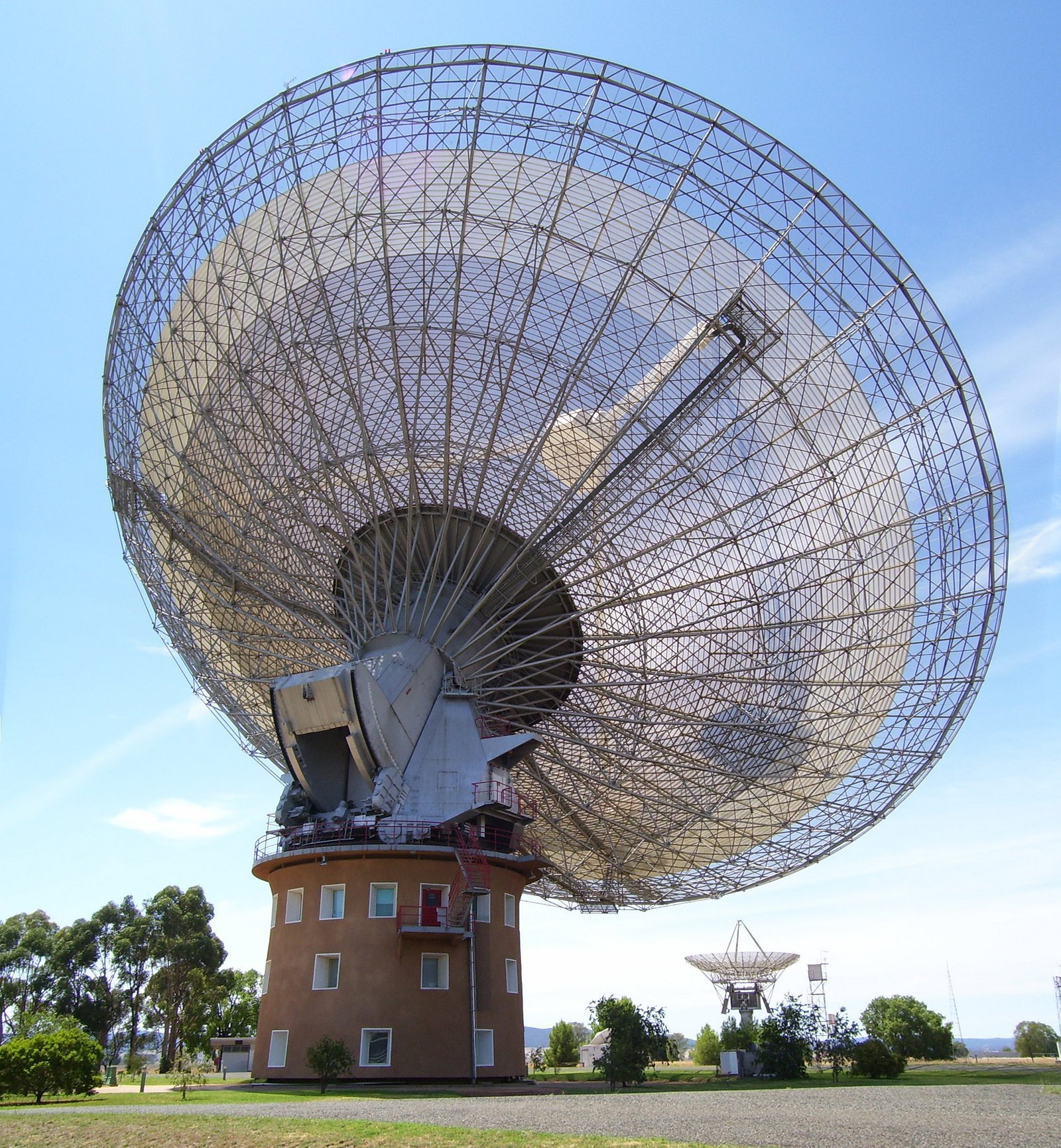
The radio signal was detected during 30 hours of observations conducted by Breakthrough Listen through the Parkes Observatory in Australia in April and May 2019. Those observations were not originally meant to be a pure technosignature search. They were part of a broader monitoring campaign of Proxima Centauri for stellar flares.
BLC1 passed the coincidence filters and persisted for over two hours. That persistence mattered. A signal lasting that long, tracked across multiple observation windows, is far harder to dismiss as a simple glitch.
When analyzed more closely, the Parkes data from the relevant period between April and May of 2019 contained four new detections of BLC1, but they also contained the same signal about fifteen times during periods in which the telescope was not pointing at Proxima. That last detail would prove to be the crux of the entire investigation.
The Clue That Changed Everything
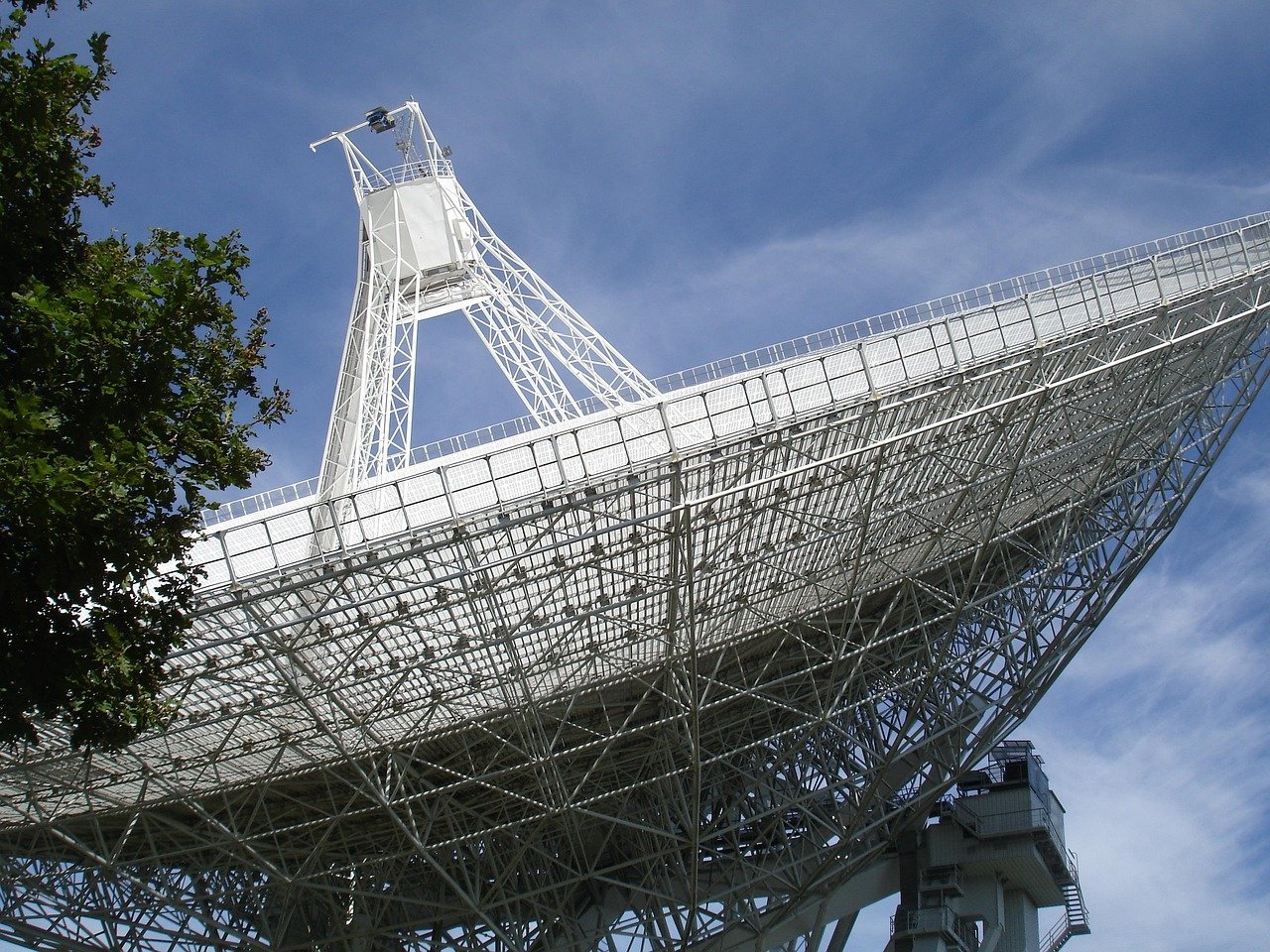
At least one of those detections persisted as the telescope moved on and then off the target, which ruled out a signal from an alien civilization and pointed to an explanation much closer to home. When a signal shows up whether or not you’re looking at its supposed source, the source is almost certainly not where you think it is.
When Sofia Sheikh, a radio astronomer at the University of California, Berkeley, dug into a larger dataset of observations taken at other times, she found about 60 signals that share many features of BLC1 but are also seen in their respective “off” observations, suggesting BLC1 is similarly not a genuine technosignature.
Using the analysis procedure developed for this work, researchers found that BLC1 is not an extraterrestrial technosignature, but rather an electronically drifting intermodulation product of local, time-varying interferers aligned with the observing cadence, and they found dozens of instances of radio interference with similar morphologies at frequencies harmonically related to common clock oscillators. In plain terms, the signal was almost certainly produced by human electronics interfering with themselves.
What “Frequency Change” Really Means Here

BLC1 and its roughly 60 related signals are spaced at regular frequency intervals in the data, and these intervals appear to correspond to multiples of frequencies used by oscillators commonly found in various electronic devices, suggesting these signals come from human technology. The frequency drift that seemed so compelling turned out to be a known artifact of certain electronics.
With careful study, the team found that all of these signals could be produced by a single electronic device interfering with itself, producing weak radio waves at a range of frequencies that just barely leaked into the telescope, with the best guess being some piece of high-end electronics tens or hundreds of miles away.
The “frequency change” that gave BLC1 its alien-like quality was not the planet-orbit drift it initially appeared to be. It was an electronic artifact. That distinction matters enormously, and getting it right took months of intensive analysis.
The Real Significance: A New Verification Framework

Informally dubbed BLC1, the Listen science team at Berkeley SETI Research Center spent several months subjecting the signal to further tests, and ultimately determined that the candidate signal appears to be interference from human technology. That methodical caution is what separates credible SETI research from speculation.
The first of the published papers, led by Berkeley SETI Research Center intern Shane Smith, details the overall search of Proxima Centauri, which is described as the most sensitive and thorough technosignature search of the nearest exoplanetary system to date, and the most sensitive technosignature search ever undertaken on any star target.
The field of technosignature science had matured to the point where sufficient technical expertise existed to investigate putative signals in great detail, and the successful detection and investigation of BLC1 is considered indicative of a dramatic expansion of observational capability in SETI searches. Ruling something out rigorously is itself a scientific achievement.
The Habitability Question Remains Open and Complicated
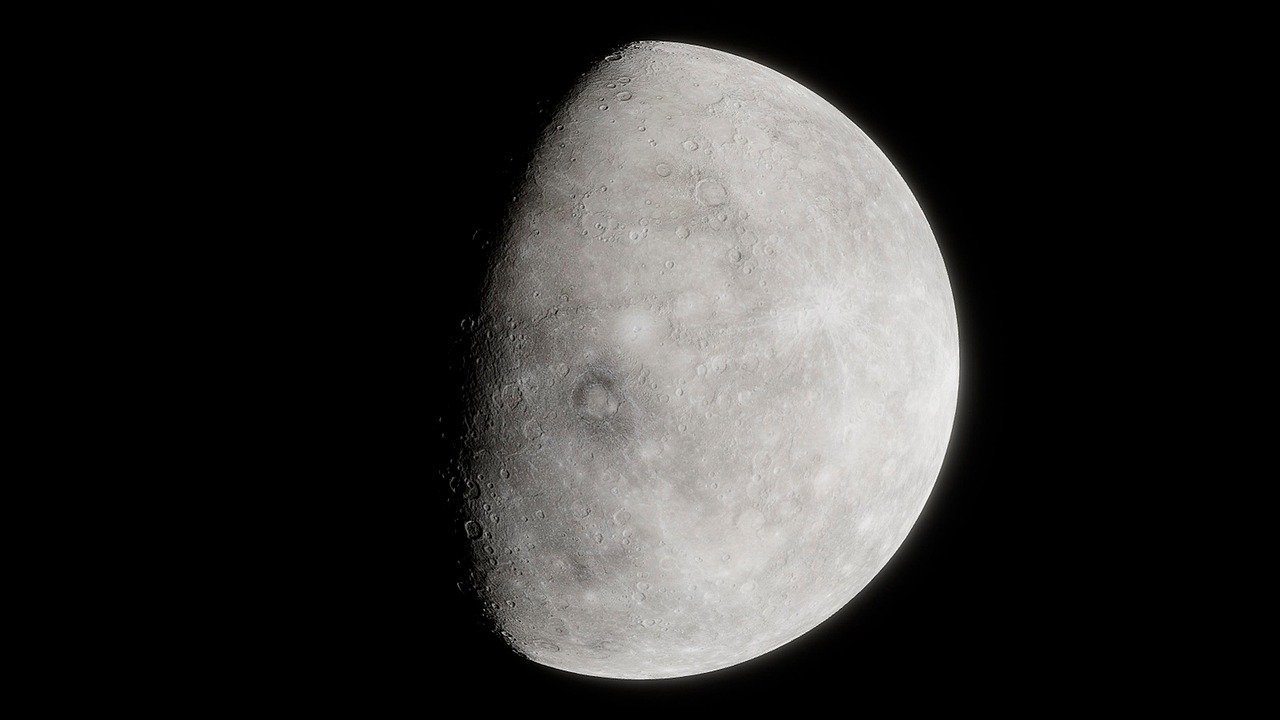
In Proxima Centauri’s habitable zone, Proxima b encounters bouts of extreme ultraviolet radiation hundreds of times greater than Earth does from the Sun, and that radiation generates enough energy to strip away not just the lightest molecules but heavier elements over time. Being in a habitable zone, in other words, is a necessary but far from sufficient condition.
In Proxima Centauri’s habitable zone, Proxima b encounters bouts of extreme ultraviolet radiation hundreds of times greater than Earth does from the Sun, that radiation generates enough energy to strip away oxygen and nitrogen over time, and models show Proxima Centauri’s powerful radiation drains an Earth-like atmosphere as much as 10,000 times faster than what happens at Earth.
Proxima Centauri b is probably a terrestrial planet with a minimum mass of about 1.06 times that of Earth and a slightly larger radius, but it orbits within the habitable zone of its parent star while it is not known whether it has an atmosphere, which would significantly impact the habitability. That uncertainty remains one of the central open questions in nearby exoplanet research.
What Ongoing SETI Work Looks Like in 2026
Breakthrough Listen is described as the most comprehensive and systematically designed search for extraterrestrial technosignatures to date, encompassing both radio and optical domains and leveraging a global network of leading telescopes. Initiated in 2015 as a ten-year, 100-million-dollar initiative, it aims to conduct a full census of electromagnetic technosignatures across the local Milky Way and accessible extragalactic volumes.
It is estimated that the project will generate as much data in one day as previous SETI projects generated in one year, and compared to previous programs, the radio surveys cover ten times more of the sky, at least five times more of the radio spectrum, and work a hundred times faster. The scale is genuinely unprecedented.
Upcoming radio telescopes such as MeerKAT in South Africa and the Very Large Array in the southwest United States “will offer new and powerful ways to reject interference and improve our sensitivity.” The tools are getting sharper. The search continues, and it’s more systematic now than at any previous point in history.
Why BLC1 Still Matters, Even as a False Alarm
Despite an eventual explanation for BLC1 as likely terrestrial interference, its unique properties have continued to fuel interest, encouraging scientists to refine their techniques and models for identifying non-terrestrial signals. A well-studied false positive is genuinely useful. It teaches the field exactly how interference can disguise itself.
The new tools Breakthrough Listen developed in investigating BLC1 will be really useful when they find other interesting signals. Researchers are much more capable now than they were a few years ago, and if there is a signal out there, they’re getting closer to being able to detect it.
The BLC1 signal, while eventually identified as terrestrial interference, reinvigorated interest in the search for extraterrestrial intelligence and demonstrated both the promise and limitations of current SETI methodologies, emphasizing the need for increasingly sophisticated technologies and analysis techniques. The mystery turned out to have a mundane answer. What it left behind, though, was a sharper science.
The story of BLC1 is ultimately a story about rigor. A signal appeared, it had all the right properties to be extraordinary, and a dedicated team spent years proving it wasn’t. That’s not a failure. It’s what good science looks like, and it’s the only foundation solid enough to stand on if something real ever does arrive from the direction of Proxima Centauri.