


What Alpha Brainwaves Actually Are
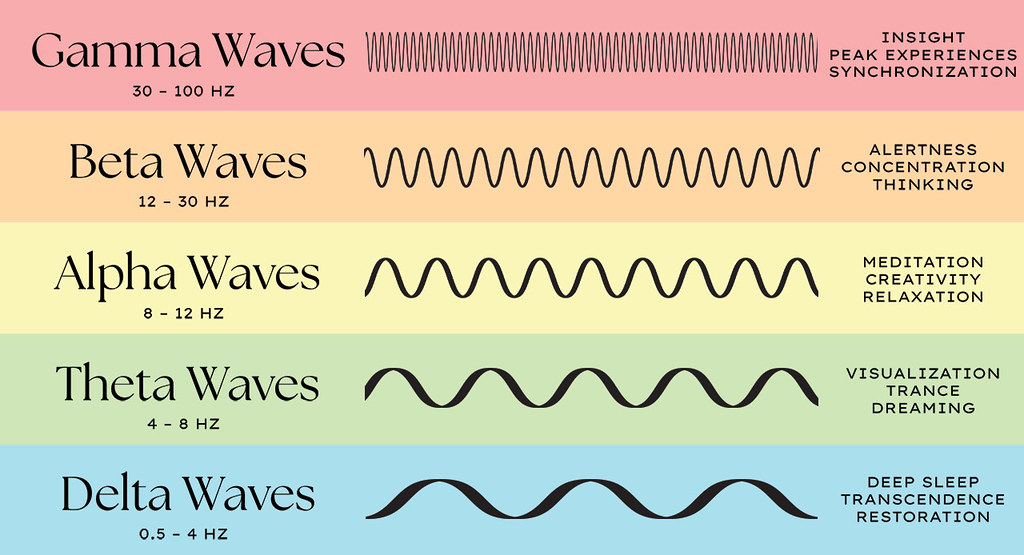
One of the key areas of EEG research in meditation involves the analysis of brainwave patterns, particularly in the alpha frequency band spanning 8 to 12 Hz. Alpha waves are typically associated with a state of relaxed wakefulness and are prominent during periods of inner focus and reduced sensory input. Think of it as the mental setting that lives between fully switched-on thinking and the slower drift of sleep. It’s where your mind calms down without actually shutting off.
Brainwave entrainment has been observed using EEG, with five frequency bands associated with different arousal states: delta, theta, alpha, beta, and gamma, with lower frequencies linked to lower arousal and greater relaxation, and the opposite for higher frequencies. Studies have shown that meditation can significantly influence alpha activity, particularly in the frontal lobes, which are crucial for cognitive functions such as attention, decision-making, and emotion regulation. So when people describe deep meditation as feeling “calm but alert,” they’re describing this state almost exactly.
The Problem: Your Brain Is Wired to Wander

People spend nearly 47 percent of their waking hours thinking about something other than what they’re doing, and this mind-wandering typically makes them unhappy. That figure comes from a landmark Harvard University study that collected over a quarter million data points on people’s thoughts and emotional states throughout the day. It’s a startling number when you sit with it.
Mind-wandering appears to be the human brain’s default mode of operation. This is part of why beginners find meditation so frustrating. They sit down to quiet the mind, and within seconds it’s off somewhere else entirely. The challenge isn’t willpower. It’s neurological. The brain defaults to a wandering state unless something actively redirects it, which is exactly where alpha brainwave tools come in.
How Binaural Beats Work
Binaural beats are two tones presented at slightly different frequencies to both ears, from which the brain perceives a third tone equal to the frequency difference of the two tones, inducing a phenomenon known as brainwave entrainment. The brain, in essence, fills in the gap between the two tones and creates a beat that doesn’t technically exist in the audio. Your brain interprets the two tones as a beat of its own. The two tones align with your brain waves, creating a beat with a different frequency. This frequency is the difference in hertz between the frequencies of the two tones. For example, if you’re listening to a 440 Hz tone with your left ear and a 444 Hz tone with your right ear, you’ll hear a 4 Hz tone.
Alpha binaural beats of 10 Hz are produced by creating the auditory illusion of 10 Hz in the brain by playing binaural beats of 370 Hz and 380 Hz for the left and right ear respectively. It’s a simple mechanism, but the effects on the brain appear to be measurable. The key requirement is that you need stereo headphones for any of this to work. Speakers won’t create the split-ear effect the brain needs to register the beat.
What the Research Says About Anxiety and Stress

After reviewing the studies that met inclusion criteria, it is clear that most authors reported positive outcomes regarding the effect of binaural beats on anxiety symptoms. Specifically, researchers noted reductions in blood pressure and heart rate, both of which are physical markers of the stress response in the body. Binaural beats seem to influence a decrease in scores recorded in the final assessments of anxiety and depression, indicating increased relaxation among patients, potentially enhancing their quality of life.
The primary finding of one pilot study was that alpha frequency binaural beats led to a significant reduction in the stress subscale of the DASS-21, a well-validated clinical scale for measuring depression, anxiety, and stress. Non-clinical use of binaural beats appears to be safe and acceptable, with no harms attributed to exposure and high completion rates above 90 percent. Still, it’s worth noting that results across studies aren’t perfectly uniform, and frequency choice, session length, and individual neurological differences all play a role.
The 4-Minute Threshold: Short Sessions, Real Benefits
One of the persistent myths around meditation is that you need at least 20 to 30 minutes for it to count. Research increasingly suggests otherwise. A single intervention with isochronic tones at 6, 10, and 40 Hz during just 5 minutes reduced anxiety and improved well-being reports in healthy individuals. Even sessions in the 4 to 10 minute range can produce measurable shifts in the nervous system when the right frequency guidance is in place.
Alpha waves activate the parasympathetic nervous system, which lowers cortisol levels and slows the heart rate. This state of calm alertness acts as a middle ground between focused thinking and deeper relaxation or sleep. When a binaural beat track entrains the brain toward 10 Hz within the first few minutes of listening, the body follows. Two shorter daily sessions produce better long-term results than occasional long ones. The nervous system learns through repetition, and noticeable changes tend to emerge within two to four weeks of consistent practice.
Cortisol, Meditation, and the Body’s Stress Chemistry

The stress hormone cortisol does a lot of quiet damage when it stays elevated over time. It disrupts sleep, weakens focus, and chips away at emotional regulation. A 2024 meta-analysis published in Psychoneuroendocrinology, which examined 58 clinical trials involving over 3,500 adults, found that mindfulness and relaxation practices were the most effective at reducing cortisol levels, showing moderate, measurable improvements across saliva and blood samples. The largest reductions occurred in the morning, suggesting meditation helps restore the body’s natural stress rhythm.
Among participants with long-term meditation experience, morning cortisol decreased with length of experience. For novices, after an 8-week introductory mindfulness course, morning cortisol levels had decreased, while both sleep and self-attribution of mindfulness significantly improved. This is where the combination of audio-guided brainwave entrainment and regular short practice becomes compelling. You don’t need to be an experienced meditator to start seeing physiological change. Consistency matters far more than duration.
The $10 Tool: What It Actually Is
Binaural beats offer an economically accessible option for many people due to their low production and distribution costs, along with the ability to self-administer the therapy. In practical terms, this means most well-produced alpha binaural beat tracks are either free or cost just a few dollars to download as an audio file. Paired with a basic pair of wired earbuds that nearly everyone already owns, the total investment is minimal.
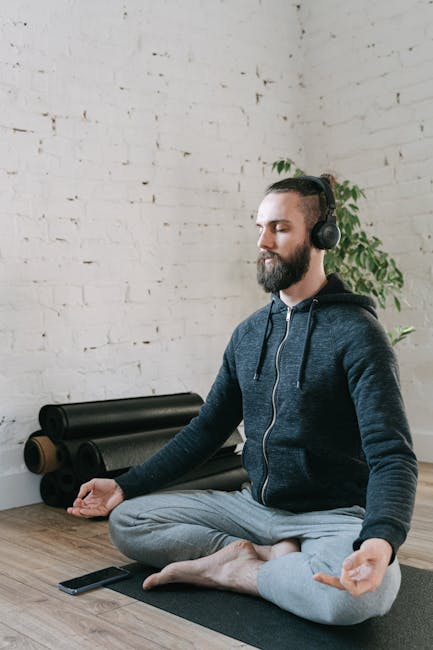
The perceived beat gently guides brainwave activity toward a specific frequency range, such as relaxation, creativity, meditation, or sleep. Binaural beats help the brain synchronize toward frequencies associated with relaxation, focus, sleep, or creativity, and offer a simple, non-invasive way to influence brainwave activity. The setup takes less than a minute. Find a quiet spot, put on headphones, choose an alpha track in the 8 to 13 Hz range, and settle in. That’s genuinely the entire process.
Limitations and Honest Caveats
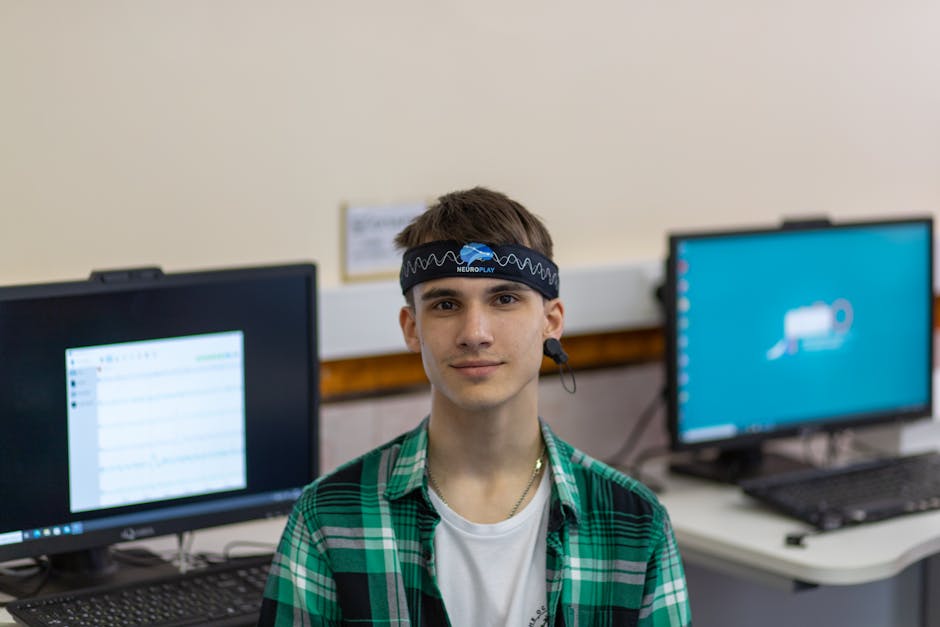
There’s limited clinical research on binaural beats. Studies have found mixed or unclear results, and many questions remain. This is worth saying plainly. The tool shows real promise, and the neuroscience behind brainwave entrainment is legitimate. However, the evidence base is still building, and the field hasn’t yet established firm guidelines on optimal frequency, session length, or which individuals respond best.
Roughly 15 to 20 percent of people appear to be non-responders, but most notice effects within the first few sessions. Binaural beats can affect brainwave activity and stress responses, which may lead to seizures or anxiety in people with neurological sensitivities. If you have any pre-existing conditions, it’s important to consult a healthcare professional before using binaural beats. For the majority of healthy adults, the risk profile is low, but awareness matters.
Conclusion

There’s something quietly remarkable about the idea that a pair of ordinary earbuds and a $10 audio download might genuinely help bridge the gap between a restless, wandering mind and a few minutes of real calm. The science isn’t perfect, but it’s credible and growing. Alpha brainwave entrainment through binaural beats isn’t a replacement for a consistent meditation practice, a healthy lifestyle, or professional mental health support when needed. It’s an accessible on-ramp.
The real insight here isn’t about the tool. It’s that the barrier to meditation has often been neurological, not motivational. When something gives the brain a gentle, evidence-backed nudge toward a calmer frequency, even a beginner can find that quiet space. Four minutes at a time, that adds up.