
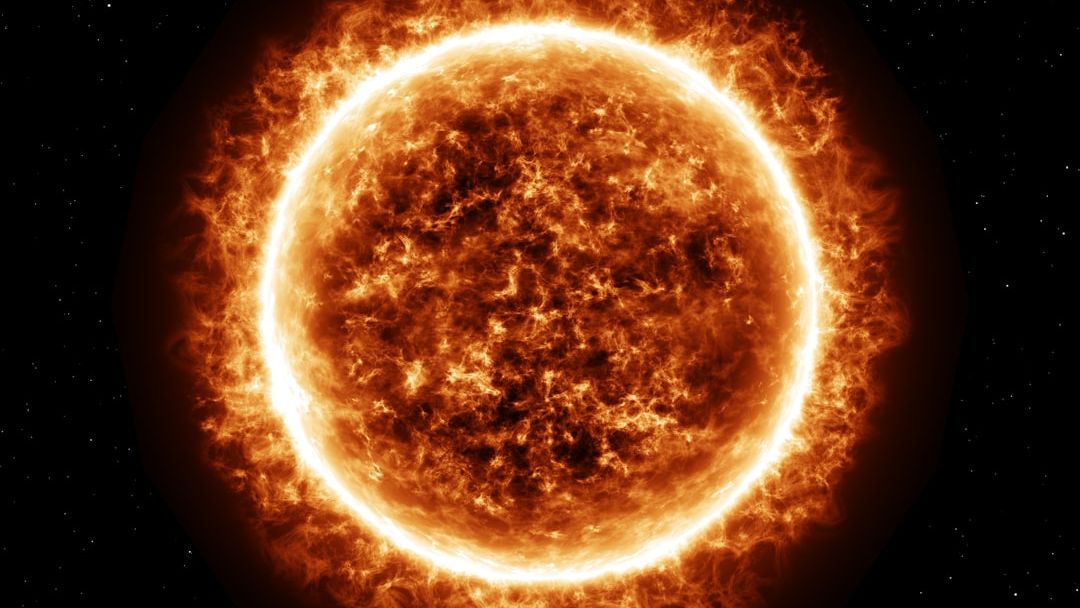

Understanding the Solar Maximum Threat Right Now
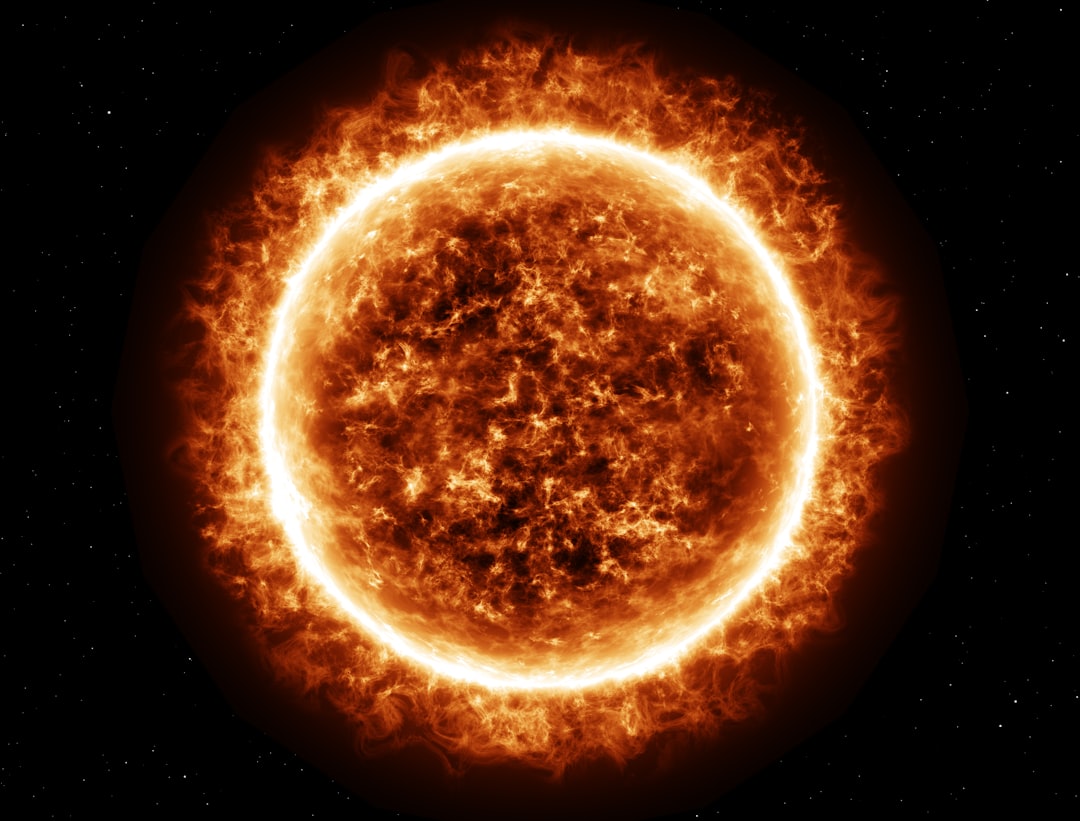
NOAA confirms that Solar Cycle 25 has been approaching its peak, with sunspot numbers and solar flare activity exceeding early predictions. Their Solar Cycle Progression dashboard shows a sharp rise in sunspot numbers and solar flux, indicating heightened solar activity through 2025 and into 2026.
Space-weather scientists noted that Earth experienced more X-class flares in 2025 than in the previous two years combined. While most caused minimal impact, each event is a natural stress test, a way to expose where infrastructure is strong and where it remains dangerously brittle.
A central question for scientists and the public is how active the sun will be in 2026. The solar activity forecast suggests that while the absolute peak may have occurred slightly earlier, the sun is likely to remain in a high-activity state through 2025 and into 2026. During this time, sunspot counts are expected to stay relatively elevated, and the frequency of solar flares and coronal mass ejections should remain above long-term averages.
Why the Power Grid Is the Biggest Vulnerability
Depending on the orientation of a storm’s magnetic field, it could induce unexpected electrical currents in long-distance power lines, causing safety systems to flip and triggering temporary power outages. The vulnerability of a power system to geomagnetic disturbances is increased when the system is more heavily loaded. Increasing power demand and industry deregulation have both led to power systems being operated closer to their limits, making them more vulnerable to outside disturbances.
NOAA’s alert warns of widespread voltage control problems and the possibility that protective systems may mistakenly trip key assets off the grid. These geomagnetically induced currents can overload transformers and disrupt long-distance transmission lines. The Department of Energy has previously cautioned that aging infrastructure and rising energy demand – driven by climate stress and AI-powered data centers – make the grid more vulnerable to space weather events.
The total U.S. population at risk of extended power outage from a Carrington-level storm is between 20 and 40 million people, with durations ranging from 16 days to one to two years. That is not a fringe estimate. It comes from a joint assessment by Lloyd’s of London and Atmospheric and Environmental Research, using historical storm data.
The Historical Proof: Quebec 1989 and Beyond
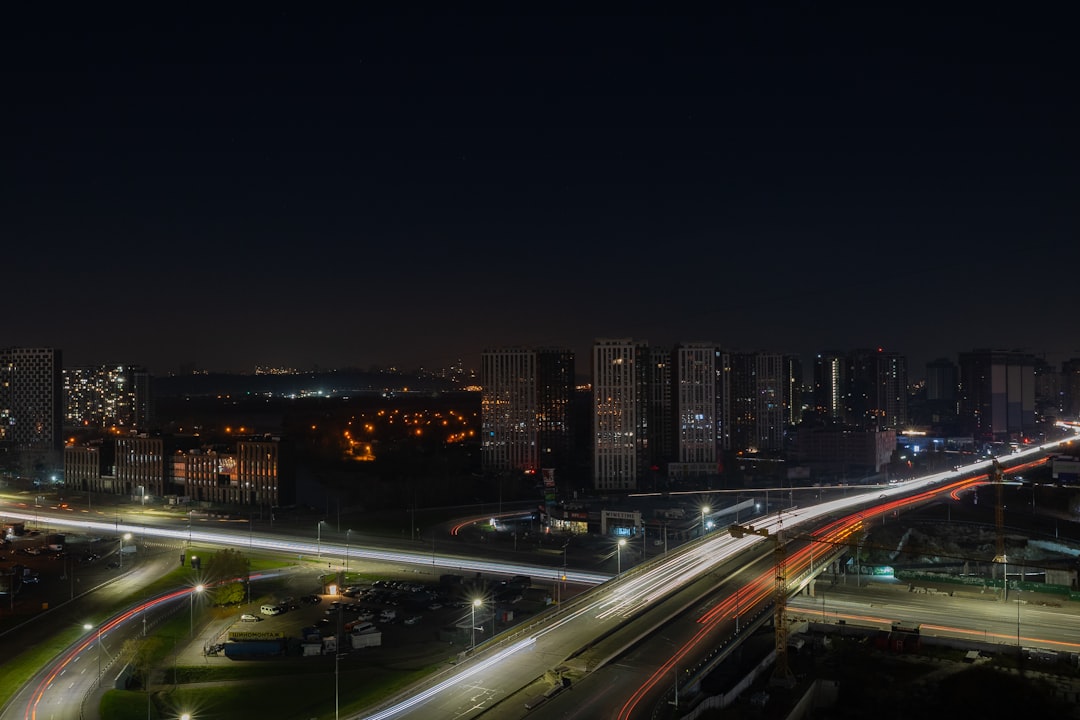
At about 2:45 A.M. on Monday, March 13, 1989, Canada’s Hydro-Québec power utility’s grid crashed when safety systems sensed a power overload caused by currents pulsing through the ground. The failure knocked out electricity to six million people in northeastern Canada for as long as nine hours. Within one minute, cascading failures had tripped automatic systems all over Québec, shutting down 21 gigawatts of supply and plunging the province into darkness.
The cascade of failures was not limited to Canada – over 200 grid faults occurred within the first few minutes in the U.S. as well. The storm that caused all of this was significantly weaker than the Carrington Event of 1859.
According to the National Academies of Sciences, a solar storm of that magnitude today has the potential to cost nearly two trillion dollars, disrupting telecommunications, banking systems, GPS, and the energy grid. A joint estimate from researchers at Lloyd’s of London and Atmospheric and Environmental Research placed the cost to the U.S. alone at between 600 billion and 2.6 trillion dollars.
Item 1: A Portable Power Station With Solar Charging Capability
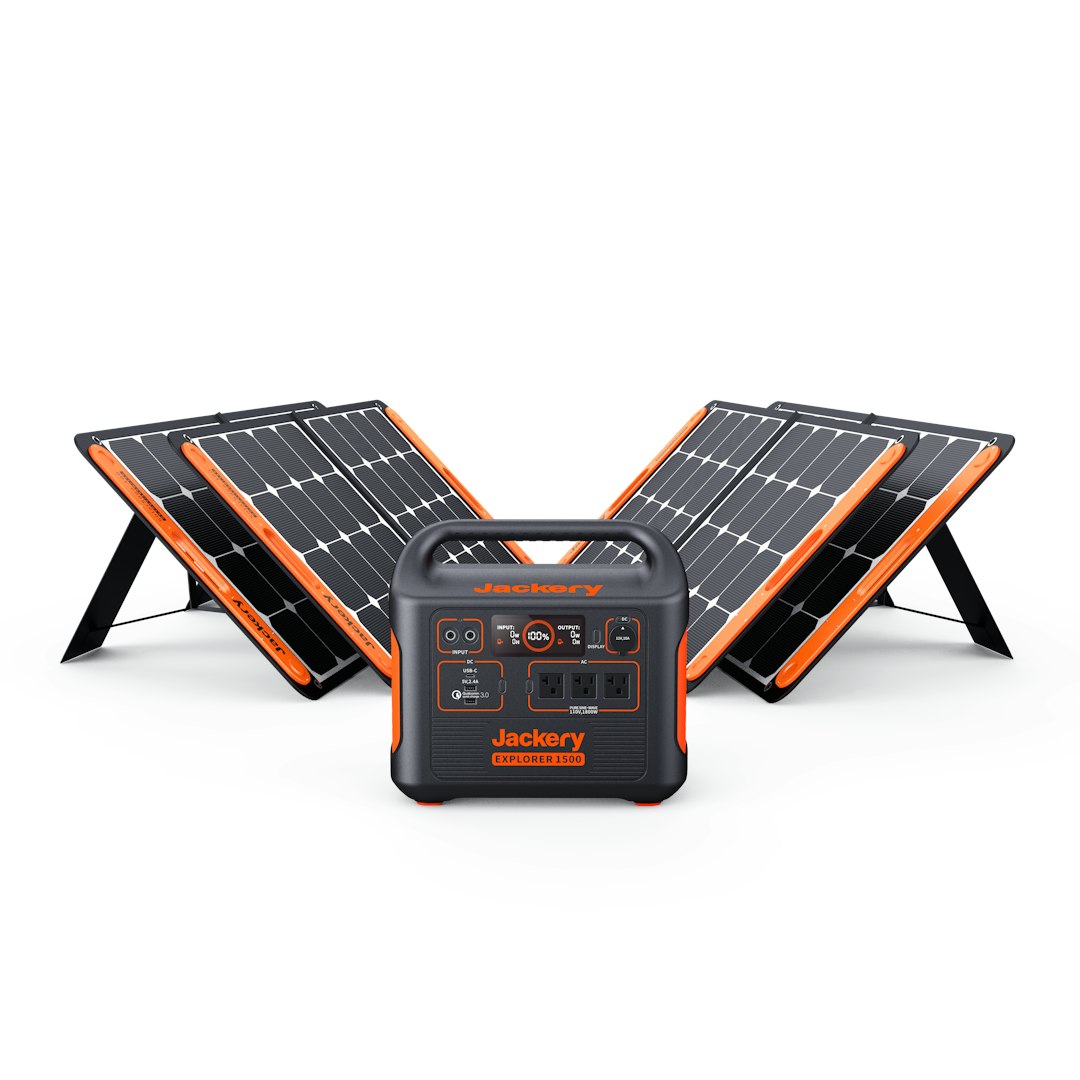
A backup power supply is critical during blackouts. A small and quick option for personal devices is a power bank, which can recharge a phone a few times to keep you connected. Another option is a backup battery or portable power station. For extended outages, this becomes far more than a convenience.
Portable solar generators can keep small appliances and devices running. They are quiet, renewable, and ideal for extended outages. This matters specifically in a solar storm scenario because with battery storage, you can ensure that your home stays powered even when the grid is down.
A portable power station won’t handle heavy-duty appliances, but for lower-consumption items – like small kitchen devices or personal electronics – it’s incredibly useful when the grid goes down. Size matters here. Match your station’s watt-hour capacity to your actual daily essentials, not your wish list.
Item 2: A Hand-Crank NOAA Weather Alert Radio
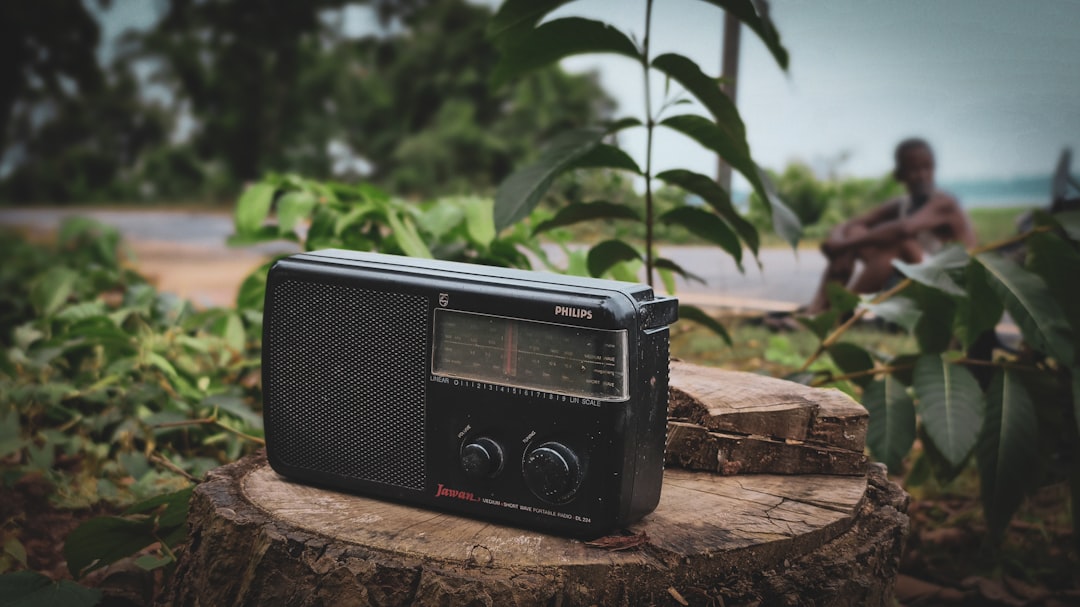
In the first hours after a disaster, communication failures can cause confusion, delays in rescue, and prevent families from reuniting. Being able to receive alerts, call for help, and share updates is essential for survival. Your smartphone is of limited use if cell towers go dark.
A NOAA weather radio receives 24/7 official broadcasts and warnings. With SAME technology, it can target your county so alerts activate the radio only when a threat affects your area. It works without the internet and uses minimal power, which is why the best emergency radio outperforms apps during blackouts.
One of the best additions to an emergency prep kit is a hand crank radio. These devices provide the same instant alerts as a desktop radio, but they are compact and portable. Crank radios offer multiple power options including solar panel, hand crank, regular batteries, and a rechargeable lithium-ion battery. That kind of redundancy is exactly the point.
Item 3: A Long-Term Water Filtration System

Most people store water but forget about filtration. Tap water, well water, or even stored water can become unsafe after a flood or infrastructure failure. Having a reliable water filter for emergency preparedness can be the difference between hydration and a health crisis.
Look for filters that handle bacteria, viruses, and heavy metals. Gravity-fed filters like the Berkey or LifeStraw Family system work without power and can process several gallons per hour, which is practical for household use over multiple days.
FEMA recommends a three-day supply of nonperishable food and water in any disaster kit. However, given that a geomagnetic storm can disrupt infrastructure for weeks or longer, a gravity-fed filter capable of processing local water sources is a smarter long-term investment than relying solely on stored bottles.
Item 4: Non-Perishable Food Supply Rated for Extended Storage

The duration of outages during a major solar event will depend largely on the availability of spare replacement transformers. If new transformers need to be ordered, the lead time is likely a minimum of five months. That is not a short-term inconvenience – it is a months-long disruption to the supply chain, including food distribution.
When the grid goes down, refrigerators fail. Stocking non-perishable foods including rice, beans, freeze-dried meals, and canned goods is essential. Rotating supplies regularly avoids spoilage.
Freeze-dried meals designed for long-term storage are particularly practical here because they retain nutritional value for years and require only water to prepare. FEMA now recommends every household be prepared for a minimum of 72 hours without grid power – meaning backup power, stored water, non-perishable food, communication tools, and a clear plan. For a solar maximum scenario, 72 hours is a floor, not a ceiling.
Item 5: A Faraday Bag or EMP-Shielded Container for Critical Electronics

Energetic electrons can damage satellite electronics, causing outages or degrading sensors. Solar flare protons increase radiation exposure for astronauts and high-altitude flights. Geomagnetically induced currents flow through power lines, pipelines, and cables, potentially overwhelming transformers or corrupting data streams.
A Faraday bag or shielded container protects personal electronics from the electromagnetic effects of a severe geomagnetic event. Items worth storing inside include backup hard drives, a spare phone, a basic radio, and any small battery banks. The goal is to preserve at least one functional communication and navigation device if a direct CME hit causes widespread device failure.
Although geomagnetic storms have occurred throughout history, their potential impacts to modern society have grown as our dependence on technology has increased. Today, geomagnetic storms can interfere with satellite operations, disrupt GPS and radio communications, and in more extreme cases, adversely affect electric-power transmission systems and lead to widespread blackouts. The items you protect in advance are the ones that work on the other side of the event.
What the Government Is – and Isn’t – Doing
USGS plays a key role in monitoring and understanding space weather. Through a network of ground-based magnetic observatories, USGS provides real-time data on geomagnetic activity. These data support national and international efforts to forecast and respond to space weather events.
There are currently several space satellites in operation that can provide warnings of incoming CMEs on the timescale of hours to days, timescales that could allow grid operators to take preventative measures before the storm hits. However, the magnetic field strength and orientation of incoming plasma – key ingredients in forecasting Earth impacts – can only be measured with a lead time of 15 to 30 minutes.
The UK Government’s 2025 National Risk Register listed severe space weather as a specific risk, rated as having a 5 to 25 percent likelihood in a 10-year period, and predicted to have significant impacts – defined as causing 201 to 1,000 deaths and billions in economic costs. Institutional awareness is growing, but household preparedness remains largely the individual’s responsibility.
How Much Preparation Is Actually Enough?
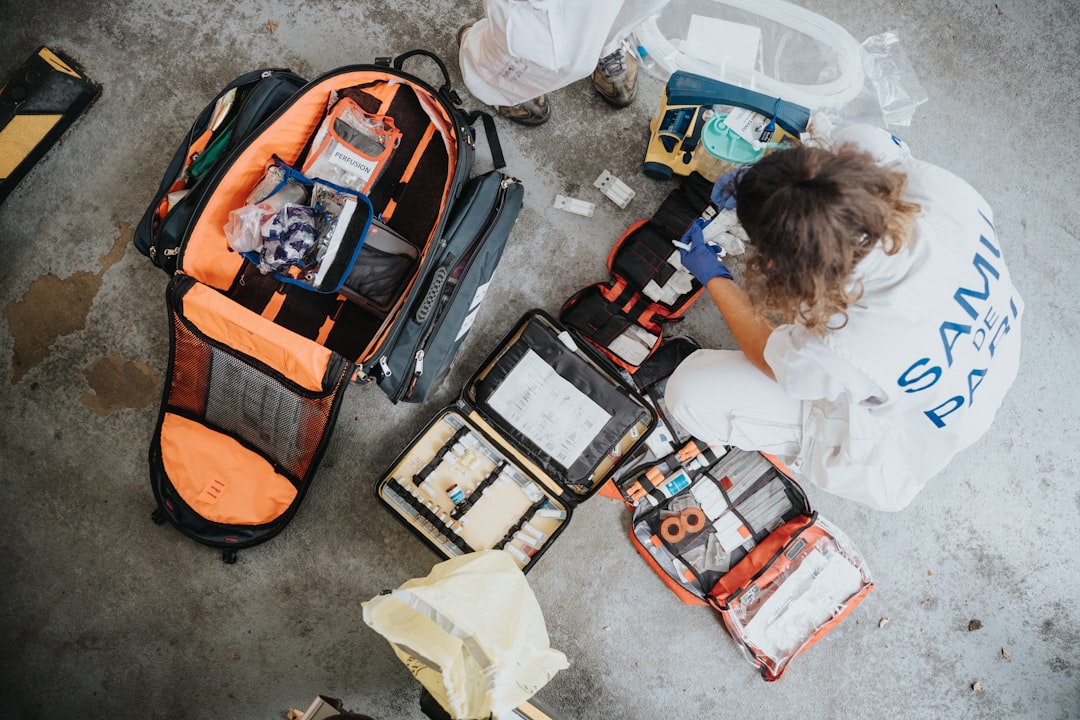
According to the 2024 FEMA National Preparedness Report, roughly half of adults believe they are prepared for a disaster. The reality, though, is that most emergency kits are built around 72-hour storms, not multi-week infrastructure failures triggered by space weather.
The most practical takeaway is that the years around solar maximum, including 2026, constitute a time of elevated but manageable risk for modern technological systems. Manageable is the key word. This is not about panic-buying or building a bunker. It is about closing specific, well-documented gaps in household resilience.
There is no need to panic. There is, however, a need to prepare. The five items above cover the realistic failure points: power, communication, water, food, and electronics. None of them are exotic. All of them are available now, before the next major event forces the question.
The Broader Picture: A Civilization-Scale Dependency Problem
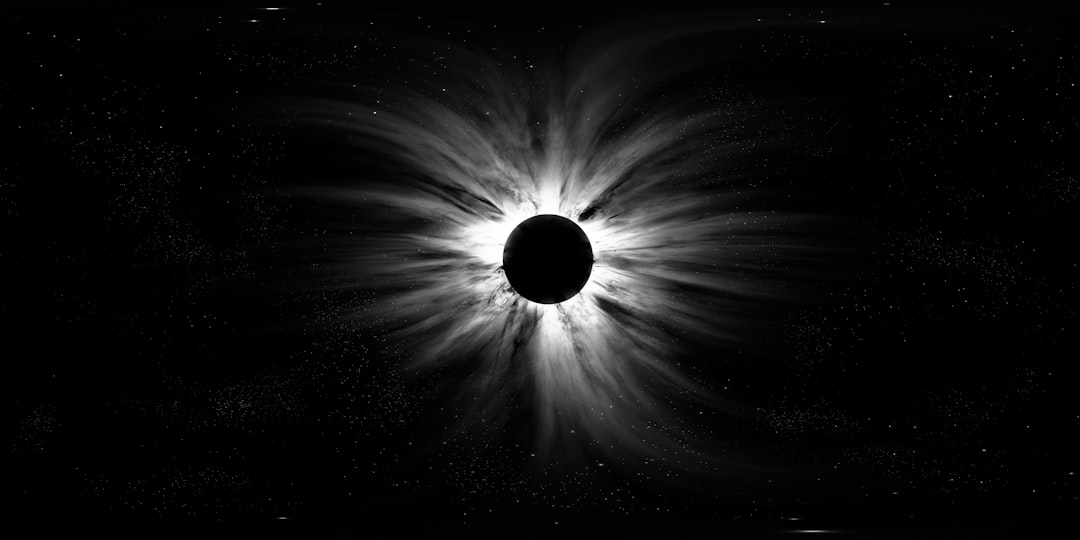
There is a cruel irony at work: the more technologically advanced the grid becomes, the more susceptible it often is to solar events. While a major geomagnetic storm would not necessarily be as strong as the Carrington Event, the world has grown far more reliant on electronics and electrical systems since 1859.
The risk of a catastrophic outage increases with each peak of the solar cycle. Society is becoming increasingly dependent on electricity. Because of the potential for long-term, widespread power outage, the hazard posed by geomagnetic storms is one of the most significant facing modern infrastructure.
The November 2025 geostorm caused only minor disruptions – a 30-minute blackout of high-frequency radio transmissions across Europe, Africa, and Asia – but it served as a reminder that the sun is still in an active phase, and with that comes an increased potential for space weather events that can affect the technologies we rely on every day.
Conclusion: The Protocol Is Simple, The Window Is Now
The five items in this protocol – a portable power station, a hand-crank NOAA radio, a gravity-fed water filter, a long-term food supply, and a Faraday-shielded container for electronics – are not hypothetical survival gear. They are practical responses to documented, government-assessed risks that peak precisely during solar maximum periods like the one the planet is navigating right now.
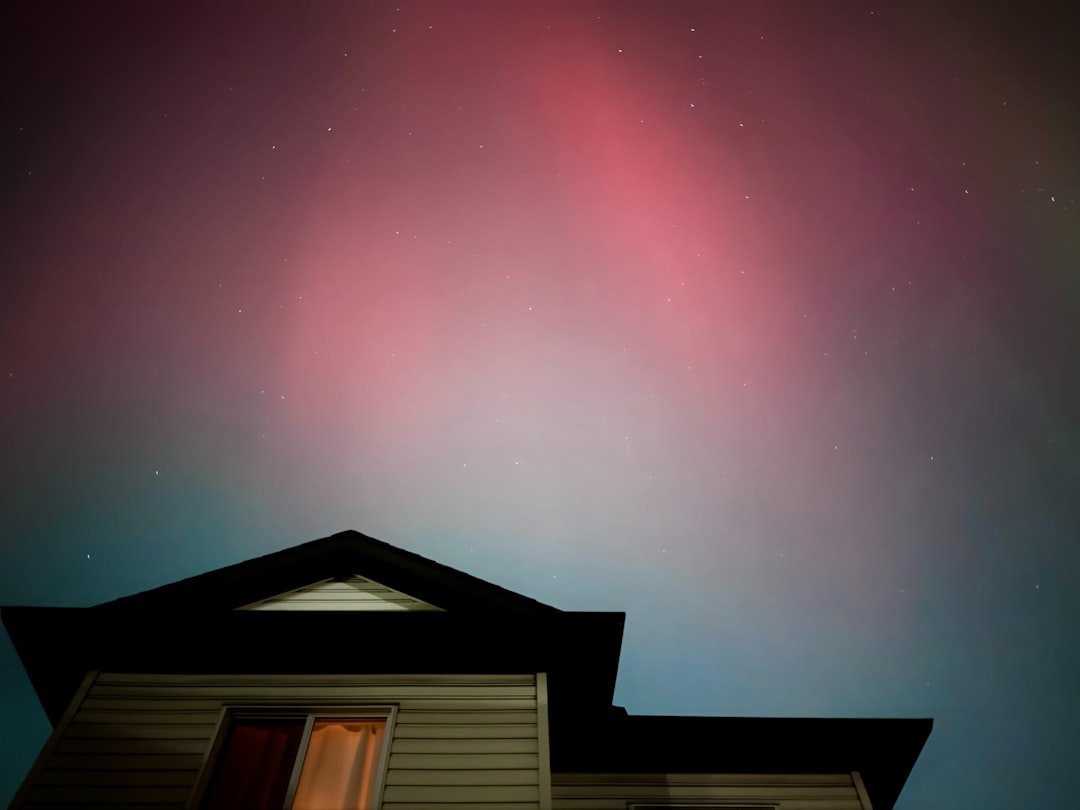
As Solar Cycle 25 unfolds, more geomagnetic storms and their impressive auroras will continue. Most will be mild, but the potential for a major event remains. The November auroras were a dazzling reminder of Earth’s connection to the sun, but they also highlight the importance of preparedness.
There is something clarifying about a threat that comes from 150 million kilometers away and gives you 15 minutes of warning. It strips out all the noise and leaves one question: what have you actually done about it? The grid may hold through this solar maximum. Probably it will. Still, the cost of being ready is a few hundred dollars and an afternoon. The cost of not being ready is measured in a very different unit entirely.